The fennec fox is an iconic animal that inspires curiosity and fascination. Adapted to life in extreme conditions, this small canid is a true marvel of nature.
Meet the charming fennec fox, an animal known not only for its adorable appearance but also for its remarkable adaptations to desert life. Its presence is a reminder of the diversity and adaptability of life on our planet.
What Is a Fennec Fox?
The fennec fox (Vulpes zerda) is the smallest fox species in the world. It is a nocturnal animal perfectly adapted to life in desert regions. Its body is built to survive in an environment where temperatures can be extremely high during the day and very low at night.
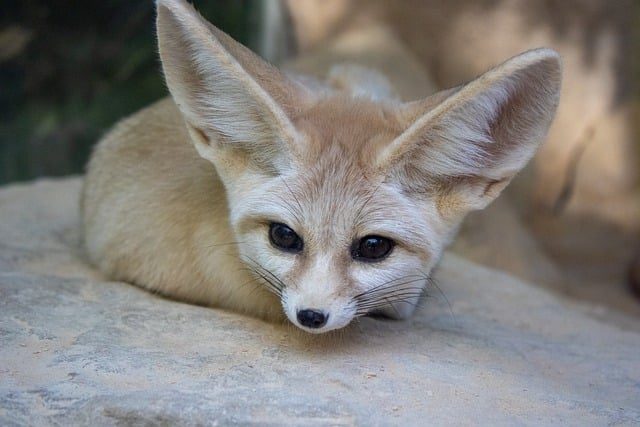
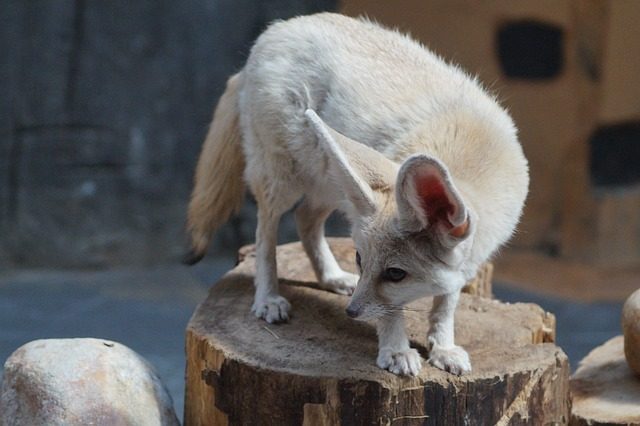
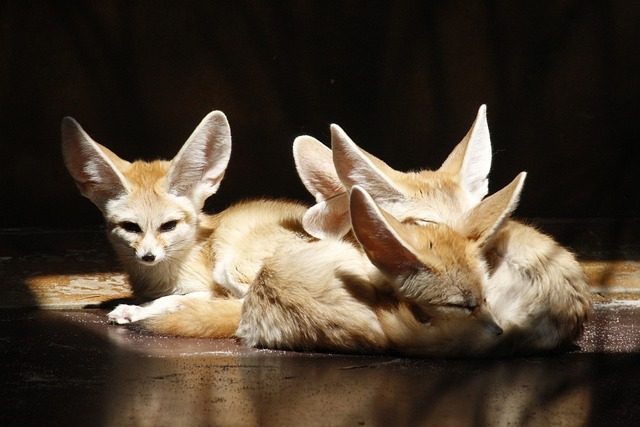
Its distinctive, oversized ears give it a unique appearance and are also essential for dissipating heat and locating prey beneath the desert sand. The fennec fox is an omnivorous mammal that eats small rodents, insects, birds, eggs, and fruit.
In addition to its keen hearing, the fennec fox has a coat that helps it blend into its surroundings and cope with temperature fluctuations. Despite its small size, it is agile and can leap surprising distances to escape predators or catch prey.

What Are the Fennec Fox’s Characteristics?
The characteristics of the fennec fox are fascinating and reflect its evolution for survival in a harsh habitat:
- Its warm, sand-colored coat helps it blend into the desert surroundings.
- Its ears, which can measure up to 15 cm, are essential to its survival, helping it hear prey and regulate its body temperature.
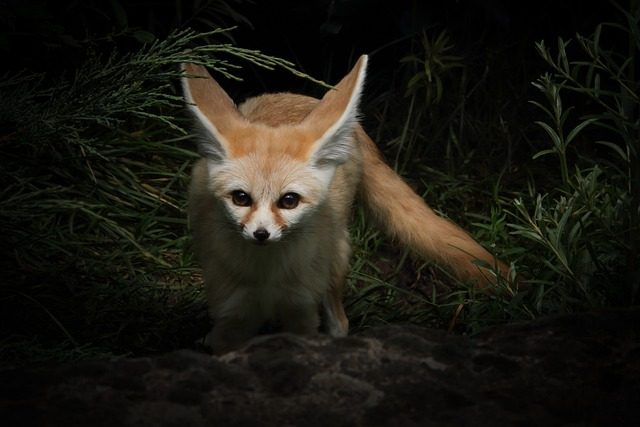
- The fennec fox has exceptional night vision, allowing it to hunt effectively in the darkness of the desert.
- It is small, weighing between 1 and 1.5 kg, and its compact body makes it easier to move across the sand.
The fennec fox’s tail also serves important purposes. Covered in thick fur, it helps the animal keep its balance while running and can also serve as a blanket on cold desert nights.
What Is the Fennec Fox’s Habitat?
The fennec fox has a very specific habitat, as this small mammal has developed adaptations for life in arid, sandy regions. The Sahara Desert in Africa and some parts of Arabia are its primary home. Here, fennec foxes dig complex burrows that protect them from the intense sunlight and predators.
These burrows, often with multiple entrances and chambers, provide a cool refuge during the day and a cozy home at night. Choosing where to build a burrow is crucial, as the location must offer access to food and provide protection.
The fennec fox uses the sand to its advantage, not only to hide but also to ambush prey. Its ability to move quickly and dig in the sand makes it an ideal resident of these inhospitable regions.
What Does a Fennec Fox Eat?
The fennec fox has a varied, opportunistic diet that adapts to the food available in its environment. Its diet includes:
- Insects such as locusts and beetles.
- Small mammals such as rodents and rabbits.
- Birds and their eggs.
- Fruits and seeds, which provide most of the water they need to survive.
The fennec fox is highly adept at finding and hunting for food, even in the harshest conditions. Its keen hearing allows it to detect prey moving beneath the sand, while its eyesight helps it spot feeding opportunities in the dark.
How Do Fennec Foxes Reproduce?
Fennec foxes are monogamous and form strong bonds with their mates. Breeding season usually falls between January and February. After a gestation period of around 50 days, the female gives birth to 2 to 5 pups in a den prepared especially for the occasion.
The pups are born with their eyes closed and are completely dependent on their mother. Both parents help care for and protect them. As the pups grow, they learn essential desert survival skills from their parents. Fennec fox families form a complex, structured social system in which each member has a role.
Fennec foxes are estimated to live between 10 and 12 years in the wild, although they may live longer in captivity. However, it is important to remember that fennec foxes are wild animals and belong in nature, not in a human home.
Is It Legal to Keep a Fennec Fox as a Pet?
Keeping a fennec fox as a pet is controversial, and its legality varies by country and wildlife conservation laws. Although their charming appearance can be tempting, it is essential to consider that fennec foxes have specific needs that are difficult to meet in captivity.
Fennec foxes are also protected under the CITES convention, which regulates international trade in endangered species. In many places, a special permit is required to keep them as pets, or keeping them is prohibited altogether. Before considering adopting a fennec fox, it is essential to learn about its needs and consider the animal's welfare and the environmental impact of removing it from the wild.
What Should You Know About Fennec Foxes?
Some of the most fascinating facts about fennec foxes include:
- They are the smallest foxes in the world.
- They can go without water for long periods because they get the moisture they need from their diet.
- Their ears are exceptionally large in proportion to their body size.
Fennec foxes are also highly social animals that communicate with one another through a variety of sounds, from barks to howls. Their presence in the desert also benefits the ecosystem by helping control insect and rodent populations.
Frequently Asked Questions About Fennec Foxes
What Is a Fennec Fox Called?
The desert fox is commonly known as the fennec or fennec fox. Its scientific name is Vulpes zerda, and it is known for its distinctive adaptations to the desert environment.
What Kind of Animal Is a Fennec Fox?
The fennec fox is a mammal, specifically a canid, which means it belongs to the same family as dogs, wolves, and other foxes. It is the smallest member of the family Canidae.
What Does the Fennec Fox Symbolize?
The fennec fox symbolizes adaptability and survival in extreme conditions. It is also often seen as an emblem of cunning and agility, traits commonly associated with foxes in various cultures.
What Is the Fox With Long Ears Called?
The fox with long ears is the fennec fox. Its ears can measure up to half the length of its body and are one of its most distinctive physical features.
We selected a video that charmingly illustrates the lives of these foxes in their natural habitat:
In short, the fennec fox is an extraordinary animal that has won many people's hearts with its charming appearance and fascinating adaptations to desert life. However, it is important to remember that it belongs in the wild, where it contributes to the biodiversity and ecological balance of its environment.