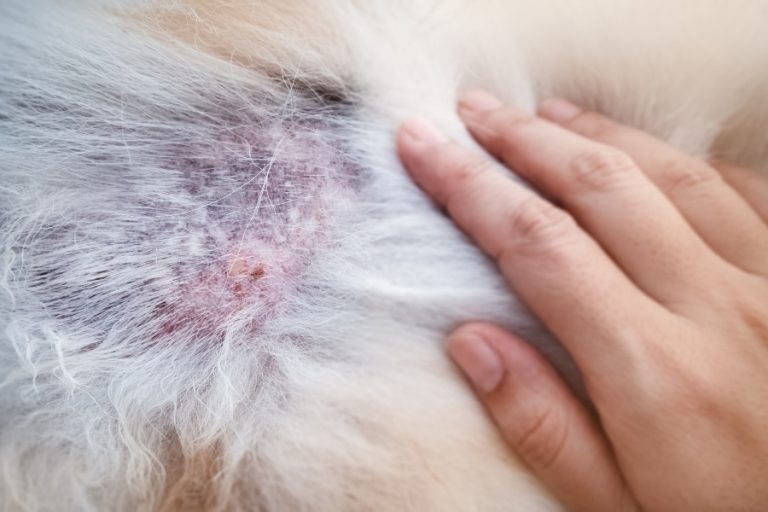
Skin tumors in dogs are a common condition that can affect our furry companions. Knowing the symptoms and causes is crucial for an early, effective diagnosis.
In this article, we’ll explore what skin cancer in dogs is, along with its symptoms, risk factors, diagnosis, and treatment options.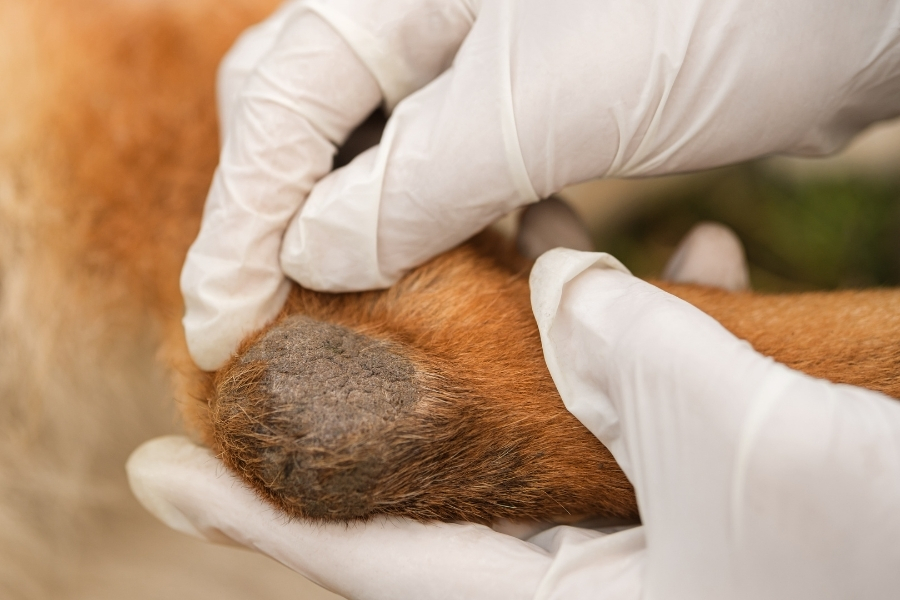
What Is Skin Cancer in Dogs?
Skin cancer in dogs is a neoplasm that can be benign or malignant. This means some tumors are harmless and don’t require treatment, while others can be life-threatening.
The most common skin tumors include melanomas, mast cell tumors, and squamous cell carcinomas. Each has different characteristics and behaviors, making early diagnosis vital.
Exposure to environmental factors, such as solar radiation and chemicals, may increase the risk of developing these tumors. Age and genetics also play an important role in the predisposition to certain neoplasms.
Causes and Risk Factors for Skin Cancer in Dogs
Skin tumors in dogs can be caused by multiple factors. One of the most important is sun exposure, especially in breeds with light-colored or sparse coats.
- UV radiation: Prolonged exposure can cause mutations in skin cells.
- Genetic factors: Some breeds are more susceptible to developing skin cancer.
- Chemicals: Chemicals in cleaning products or pesticides may increase the risk.
- Viral infections: Certain viruses may contribute to the development of skin tumors.
Dog owners should be alert to any changes in their pets’ skin. Finding lumps or changes in skin texture should prompt a veterinary consultation.
Symptoms of Skin Cancer in Dogs
Symptoms of skin tumors in dogs can vary significantly. Some may be obvious, while others may go unnoticed for a long time.
- Lumps or bumps: These may be soft or firm and can change in size.
- Changes in skin color: Dark spots or reddish areas may indicate a tumor.
- Hair loss: Affected areas may lose hair or develop scabs.
- Ulcers: Lesions that don’t heal may be a sign of cancer.
In addition to these symptoms, if the cancer has spread, general signs such as weight loss and lethargy may appear. It’s essential for a veterinarian to make an accurate diagnosis.
Diagnosing Skin Cancer in Dogs
Diagnosing skin cancer in dogs involves several tests. The veterinarian will review the dog’s medical history and perform a detailed physical examination.
Biopsies and fine-needle aspirates are commonly used to collect tissue samples. These tests are essential for determining the nature of the tumor and whether it is malignant.
Imaging tests, such as X-rays or ultrasounds, may also be needed to check whether the cancer has spread to other organs. It’s important to act quickly, as early diagnosis improves the chances of successful treatment.
Skin Cancer Treatment in Dogs
Treatment for skin cancer in dogs depends on the type and stage of the tumor. Surgery is the most common approach and involves removing the tumor.
In cases of malignant tumors, treatment may be supplemented with radiation therapy or chemotherapy. These options may help shrink the tumor and prevent recurrence.
- Surgery: Removal of the tumor and surrounding tissue.
- Chemotherapy: The use of medications to destroy cancer cells.
- Radiation therapy: The use of radiation to destroy tumor cells.
- Immunotherapy: Strengthening the immune system to fight cancer.
It’s important to discuss all options with a veterinarian to choose the best approach for the dog. Regular follow-up is also crucial for monitoring the animal’s health after treatment.
Preventing Skin Cancer in Dogs
Preventing skin cancer in dogs is essential for reducing the risk of skin tumors. Here are some effective strategies:
- Avoid sun exposure: Limit time outdoors during peak sunlight hours.
- Protect with clothing: Use jackets or sunscreen formulated for dogs with light-colored skin.
- Regular checkups: Schedule regular veterinary checkups to detect changes in the skin.
- A healthy diet: Maintain a balanced diet that supports skin health.
Ongoing monitoring and paying attention to any skin changes are key to early detection.
Can Skin Cancer in Dogs Be Cured?
The possibility of curing skin cancer in dogs depends on several factors, including the type and stage of the tumor and the dog’s overall health. When detected early, surgical removal may be effective and curative.
However, if the cancer has spread or is at an advanced stage, it may be more difficult to treat. In such cases, treatment may aim to control the disease and improve the animal’s quality of life.
Veterinary follow-up and periodic testing are essential to ensure that any recurrence is detected promptly. Ongoing research and advances in treatment continue to improve the outlook for dogs diagnosed with skin cancer.
Frequently Asked Questions About Skin Tumors in Dogs
What Are the Symptoms of Skin Tumors in Dogs?
Symptoms of skin tumors in dogs include visible lumps, changes in skin color, and ulcers. These signs can vary depending on the type and location of the tumor. Changes in skin texture and hair loss may also indicate tumors.
It’s important to have any abnormality evaluated by a veterinarian, since some tumors may not cause obvious symptoms until they have grown considerably.
What Does a Skin Tumor on a Dog Look Like?
A skin tumor on a dog may appear as a lump or bump on the surface of the skin. These tumors may feel hard or soft, and their color can range from normal to reddish or black. Owners often notice changes in the tumor’s shape or size over time.
If a pet owner notices anything unusual, it’s essential to seek veterinary care without delay. Early diagnosis is key to effective treatment.
What Does an Early Tumor Look Like in Dogs?
An early tumor in a dog may appear as a small lump or spot on the skin that may not cause pain or discomfort. These lumps often grow slowly and become more prominent over time.
Some tumors may appear as wounds that don’t heal or areas of persistent irritation. Regular monitoring and skin checks are vital for early detection.
What Are the Warning Signs of Cancer in Dogs?
Warning signs of cancer in dogs include unexplained weight loss, lethargy, changes in appetite, and unusual lumps. Other symptoms may include difficulty breathing, a persistent cough, or mobility problems, depending on where the cancer is located.
Pet owners should watch for any changes in their dog’s behavior, as these may indicate more serious health problems. Early veterinary consultation can make a big difference in managing the disease.