The Russian hamster (Phodopus sungorus) is a small, charming creature that has won the hearts of many as a pet. Its gentle nature and manageable size make it an ideal choice for those looking for an animal companion without the demands of a larger pet.
What Is the Russian Hamster's Behavior Like?
The Russian hamster's behavior is often described as sociable and friendly, although these hamsters can also be territorial. These small rodents are nocturnal, so it's normal to see them more active at night. Interacting with people can be very rewarding, as long as you respect their space and gradually get them used to human presence.
In the wild, these animals are prey, so they can be easily frightened. However, with patience and gentle handling, you can build a trusting relationship. It's important to provide them with a quiet environment where they can hide and feel safe.
Because they are intelligent animals, they need stimulation to prevent boredom. Toys and exercise wheels are essential in their habitat, allowing them to burn off energy and stay fit.
What Does a Russian Hamster Eat?
A Russian hamster's diet should be balanced and include a variety of foods. As omnivores, they eat a combination of:
- Seeds
- Fresh fruit
- Vegetables
- Protein in the form of insects or specialized food
It is essential that they have constant access to fresh water. It is also important to avoid foods high in sugar or fat, as they can cause obesity and other health problems.
Pay attention to appropriate portion sizes to prevent excess weight. A constant supply of hay can aid digestion and contribute to the natural wearing down of their continuously growing teeth.
Where does the Russian hamster live in the wild?
The Russian hamster's natural habitat is the semi-arid steppes of Russia and Kazakhstan. To recreate this environment in captivity, you need to provide a suitable space that meets certain conditions:
- A spacious, well-ventilated cage without drafts.
- Bedding for digging and hiding that also absorbs moisture well.
- Separate areas for eating, sleeping, and relieving themselves.
- A stable room temperature, avoiding extremes of heat or cold.
Regular habitat cleaning is essential to prevent illness and ensure the Russian hamster's well-being.
What are common illnesses in Russian hamsters?
Some common illnesses in Russian hamsters include digestive problems, respiratory infections, and skin conditions. Many of these issues can be prevented with a proper diet, good hygiene, and preventive care. It's essential to watch for any changes in your hamster's behavior or appearance, as these may indicate illness.
Regular veterinary checkups are important, although they are sometimes overlooked for small rodents. A veterinarian can advise you about vaccinations and parasite treatments, if needed.
Obesity is another common problem in Russian hamsters, so controlled feeding and physical activity are key to their care. Early detection of any signs of illness improves the chances of successful treatment.
Are there photos of Russian hamsters I can see?
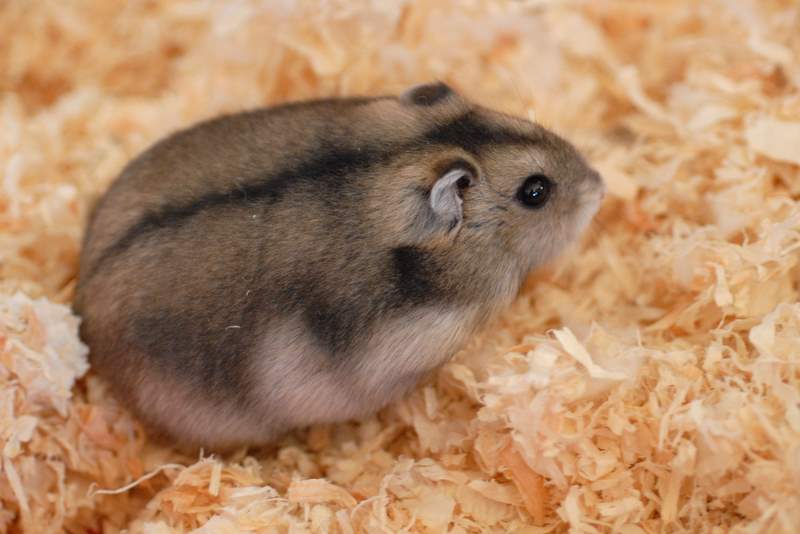
Photos of Russian hamsters can help prospective owners become familiar with what these animals look like before bringing one home. They can also help illustrate the different coat colors, which range from shades of brown to gray and white. Images can be educational, too, showing the Russian hamster's anatomy and actual size.
You'll find plenty of resources online, from photo galleries to websites specializing in rodents. These images can give you a clear idea of what it's like to have a Russian hamster and how one fits into a home.
Are there videos about Russian hamsters?
Videos are a great way to see Russian hamsters in action and learn about their behavior and needs. Here's a video showing what a Russian hamster's daily life is like, along with care tips:
What are some frequently asked questions about Russian hamsters?
Frequently asked questions cover a range of topics, from diet to reproduction. Answering these questions can provide a more complete understanding of what caring for these animals involves.
What care does a Russian hamster need?
Caring for a Russian hamster means providing a balanced diet, a clean and safe habitat, and preventive veterinary care. Daily exercise is essential, so a wheel and other toys are must-haves in its enclosure.
Because they are nocturnal, it's best to avoid handling them during the day, when they prefer to sleep. Socialization should be done carefully to avoid stressing the animal. Finally, watch for any signs of illness and respond promptly and responsibly.
With proper care, a Russian hamster can become a wonderful companion and a valued member of the family.
Related questions about Russian hamster care and facts
What does a Russian hamster need to live?
To live well, a Russian hamster needs an environment that resembles its natural habitat, with enough room to move around, suitable bedding for digging, and a clearly defined sleeping area. Proper food and fresh water are essential, as are toys and an exercise wheel for its physical and mental well-being.
A quiet environment and a regular cleaning routine are also critical for maintaining its health and preventing illness. Although they are small, Russian hamsters have specific needs that must be met diligently.
What is a Russian hamster's behavior like?
A Russian hamster's behavior can vary from one individual to another, but they are generally curious and exploratory animals. They are most active at night and enjoy playing and digging. They may become friendly with people if socialized from a young age, but always handle them carefully to avoid frightening them.
A well-socialized Russian hamster is more likely to interact with its owner and display playful, affectionate behaviors. Although they can be sociable, they may be territorial with other hamsters, so take care when introducing new companions into their space.
How long do Russian hamsters live as pets?
With proper care, a Russian hamster kept at home can live for 2 to 4 years. This range can vary depending on factors such as genetics, diet, stress levels, and the quality of veterinary care it receives.
It's important to maximize its quality of life by providing a suitable environment and plenty of love and attention throughout the years you share.
How big does a Russian hamster get?
An adult Russian hamster typically reaches 7 to 12 centimeters in length and weighs 35 to 50 grams. Growth depends on its health, diet, and level of exercise.
It's crucial to provide balanced nutrition and avoid overfeeding, as obesity can affect its development and overall well-being.
With this complete guide to ALL ABOUT THE RUSSIAN HAMSTER, we hope you found useful information on caring for your little companion or deciding whether this is the right pet for you.