When planning a dog mating, whether between dogs of the same breed or different breeds, it is essential to consider several factors to ensure the health and well-being of the dogs involved, as well as the quality of the offspring. Below are some important things to consider before and after mating dogs.
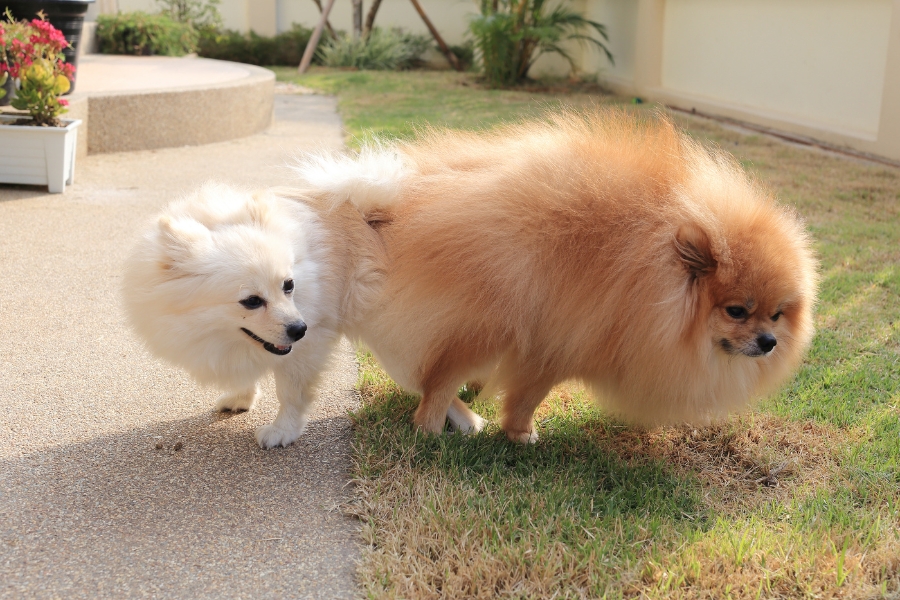
Before Mating
1. Health evaluation: Before proceeding with mating, both dogs should have a complete veterinary exam. This includes genetic testing to screen for hereditary diseases, general health assessments, and breed-specific tests such as hip dysplasia screening in large breeds.
2. Confirming genetic compatibility: It is crucial to make sure the dogs do not share genetic defects that could be passed on to their offspring. When breeding dogs of different breeds, consider how each breed's physical and behavioral traits may combine in the puppies.
3. Determining the optimal time for mating: Methods such as observing the female's behavior, progesterone testing, or consulting a veterinarian can help identify the best time for mating and increase the chances of a successful pregnancy.
4. Ethical and legal considerations: Make sure you comply with all local dog-breeding regulations and take breed club recommendations into account, especially when breeding purebred dogs.
5. Logistical preparations: Mating should take place in a safe, controlled environment for both dogs, minimizing stress and allowing owners or breeders to handle the dogs easily.
After Mating
1. Post-mating care: Immediately after mating, monitor both dogs for any signs of stress or health complications. Veterinary follow-up may be needed to confirm pregnancy.
2. Pregnancy management: The female should receive ongoing veterinary care during pregnancy, including proper nutrition, moderate exercise, and regular prenatal checkups to monitor the puppies' development.
3. Preparing for birth: Prepare a comfortable, safe whelping area for the female, and make sure you know how to manage the birth if complications arise. Quick access to veterinary care is crucial.
4. Puppy care: Puppies will need veterinary checkups, vaccinations, and deworming according to the recommended schedule. It is also important to socialize them properly from an early age so they grow into healthy, well-adjusted dogs.
5. Planning for puppy placement: If you plan to sell or give away the puppies, you are responsible for making sure they go to suitable, responsible homes. This includes interviewing prospective owners and possibly following up after the puppies are placed.
Additional Considerations for Crossbreeding
- Puppy viability: Some crosses may result in puppies with physical or health problems because of the combination of genetic traits. Consult a geneticist or a veterinarian specializing in reproduction to better understand the possible outcomes.
- Market expectations: Consider demand and prospective owners' expectations. Some mixed-breed dogs are highly sought after, while others may be difficult to place in homes.
- Educating buyers: It is vital to educate prospective owners about the specific traits and potential health or behavioral challenges that may arise in mixed-breed puppies.
Careful planning and following these recommendations can help ensure a successful mating process and the well-being of all the dogs and puppies involved.