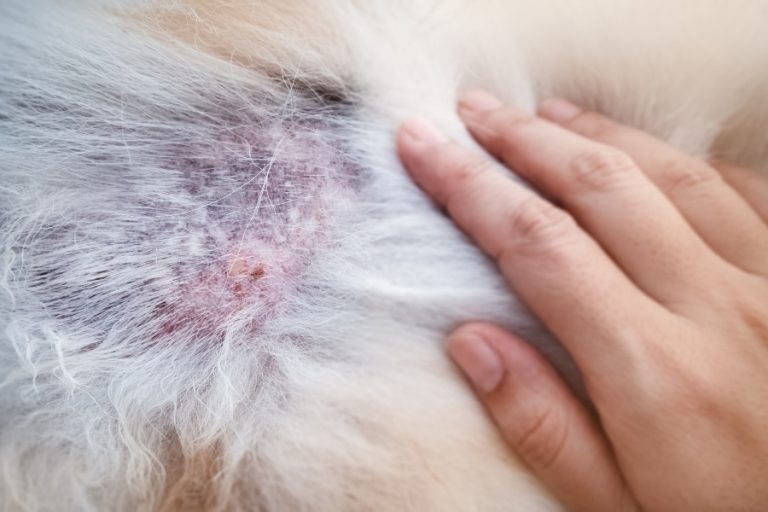
Dog bites and stings are a common problem that can affect pets’ health and well-being. Knowing the types of bites and stings dogs can get and how to identify them is essential for providing appropriate care. In this article, we’ll explore the different types of bites and stings and their impact on canine health.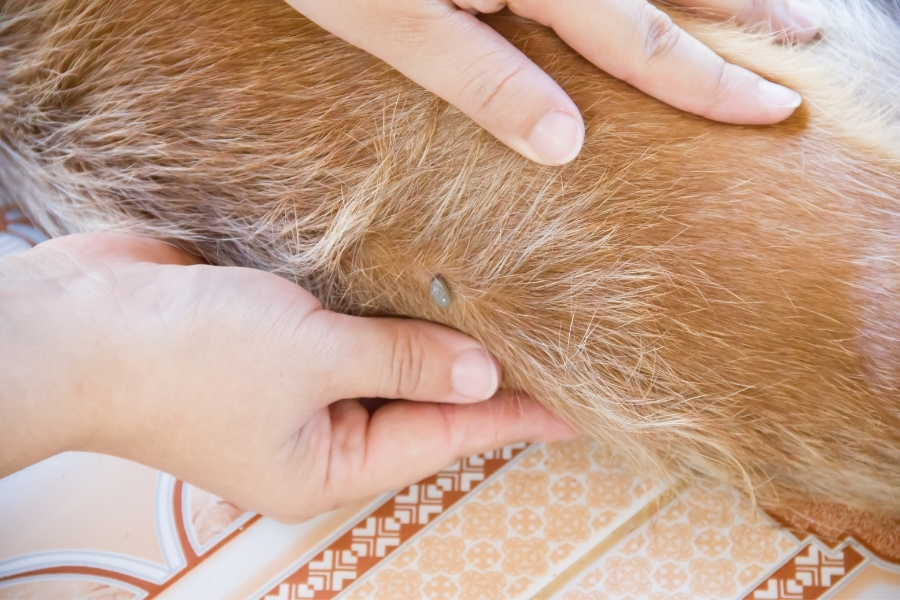
From common insect bites to potentially dangerous ones, each type has specific symptoms that can alert us to the seriousness of the situation. Here, you’ll find valuable information to identify and treat these bites effectively.
How to Identify Different Types of Insect Bites in Dogs
Identifying a bite on your dog can be difficult because symptoms can vary significantly depending on the type of insect. Check the affected area for changes in the skin.
The types of insect bites in dogs can appear in different ways. For example, flea bites often cause intense itching and redness, while bee stings can cause localized swelling and pain.
- Flea bites: cause redness and constant scratching.
- Tick bites: can cause inflammation and fever.
- Mosquito bites: cause small bumps and itching.
- Bee stings: cause swelling and may trigger allergic reactions.
- Wasp stings: similar to bee stings, but more painful.
It’s essential to watch how your dog reacts after being bitten or stung. If you notice drastic changes in their behavior, you may need to act quickly.
What Are the Symptoms of Insect Bites and Stings in Dogs?
The symptoms of insect bites and stings in dogs can vary depending on the type of insect and the severity of the reaction. Some of the most common symptoms include:
- Excessive scratching or chewing at the affected area.
- Redness and swelling around the bite or sting.
- Allergic reactions, such as swelling or difficulty breathing.
- Fever or lethargy in more severe cases.
It’s important to watch for these signs, as they may indicate that veterinary care is needed. Some bites, such as tick bites, can transmit serious diseases, so early identification is key.
What to Do If an Insect Bites or Stings Your Dog
If your dog has been bitten or stung, first assess the situation. Stay calm and carefully examine the affected area. If you can see the bite or sting, you can try some home remedies for insect bites and stings in dogs.
A good first step is to clean the area with water and mild soap. This will help prevent infection. If your dog was stung by a bee or wasp, try to carefully remove the stinger.
- Apply cold compresses to reduce swelling.
- Monitor your dog for symptoms over the next few hours.
- Contact your veterinarian if you notice signs of an allergic reaction.
Avoid giving your dog medication without consulting a veterinarian, as some medications can be harmful to your pet. The best approach is to monitor your dog and respond according to the severity of the situation.
The Most Common Types of Bug Bites on Dogs
Understanding the most common types of bites on dogs is essential for their care. Here are some of the most common ones:
- Flea bites: cause intense irritation and are difficult to get rid of.
- Tick bites: can transmit diseases such as Lyme disease.
- Mosquito bites: are more common in warm, humid climates.
- Bee and wasp stings: can be painful and cause allergic reactions.
Identifying these types of bites not only makes them easier to treat but also helps prevent future infestations or bites. It is also important to regularly protect your dog against parasites.
How Can I Prevent Bug Bites on My Dog?
Prevention is key to keeping your dog healthy and comfortable. Here are some practical tips for preventing bites on dogs:
- Use flea and tick collars recommended by your veterinarian.
- Check your dog regularly after outdoor walks.
- Keep your yard clean and free of weeds where insects can hide.
- Keep your dog away from areas with lots of bees or wasps.
Also, consider using a repellent specifically formulated for dogs, always under a veterinarian’s guidance. This can help minimize the risk of stings and keep your dog comfortable.
When Should I Take My Dog to the Vet for a Bite or Sting?
It’s crucial to know when veterinary care is needed. Some situations require immediate attention, such as:
- If your dog shows signs of a severe allergic reaction, such as difficulty breathing.
- If the bite or sting shows signs of infection, such as pus or persistent redness.
- If your dog’s behavior changes dramatically, such as becoming lethargic or losing their appetite.
Some bites and stings can have serious long-term consequences, so don’t hesitate to consult a professional if you have any concerns. Your pet’s health is what matters most.
Related Questions About Types of Bites and Stings in Dogs
How Can I Tell What Bit or Stung My Dog?
To determine what bit your dog, look at the location and appearance of the bite. Flea bites, for example, are usually found at the base of the tail and can cause redness and itching. Ticks, on the other hand, attach to the skin and look different.
It’s also helpful to know where your dog has been. If they’ve been playing outdoors, they’re more likely to have been bitten by ticks or mosquitoes. If you’re unsure, it’s best to consult a veterinarian.
What Can I Give My Dog for an Insect Bite or Sting?
If your dog has been bitten or stung, first try to clean the affected area. You can use water and mild soap to help prevent infection. In some cases, a veterinarian may recommend antihistamines or topical creams to relieve itching.
Do not give your dog any medication without consulting a veterinarian first, as some medications can be dangerous to their health. Monitoring your dog is key to determining whether a veterinary visit is needed.
What Are the Early Signs of Leishmaniasis in Dogs?
Early signs of leishmaniasis may include weight loss, lethargy, and skin lesions. Sometimes, more serious symptoms such as kidney problems or anemia can occur. Watch for any changes in your dog's behavior.
If you suspect leishmaniasis, take your dog to the veterinarian as soon as possible for an accurate diagnosis and appropriate treatment. Early detection is essential for a better recovery.
What Does a Spider Bite Look Like on a Dog?
Spider bites can be difficult to identify. They generally cause redness and swelling in the affected area and, in some cases, may lead to blisters. If you notice a bite that isn't improving, it's essential to consult a veterinarian.
Prompt care can prevent more serious complications, so don't hesitate to seek help if you're concerned about your pet's health.