Mastiffs are imposing, loyal dogs known for their large size and protective nature. There are several varieties, each distinguished not only by its appearance but also by its temperament and care needs. In this article, we’ll take an in-depth look at mastiff types, their characteristics, and essential care.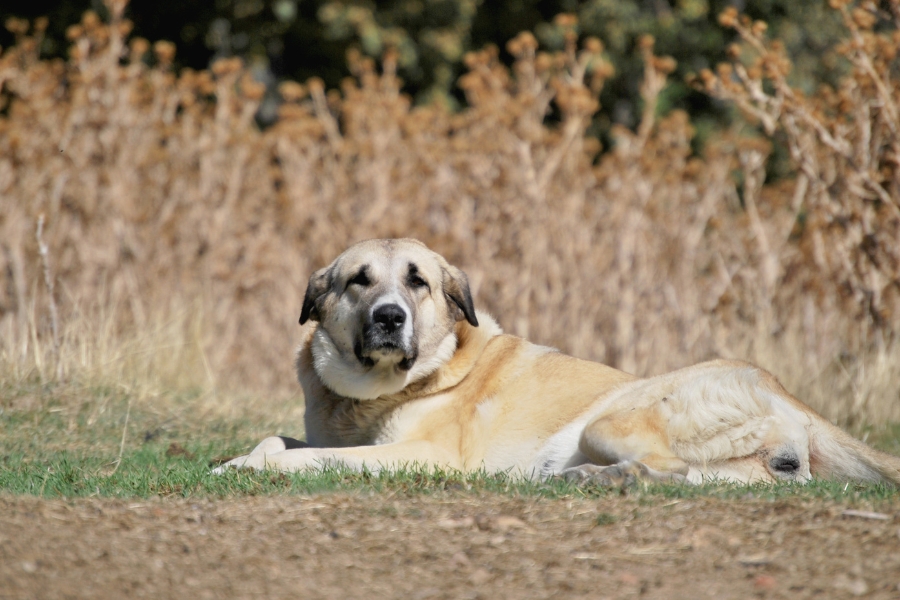
How many types of mastiffs are there in the world?
In the dog world, around eight mastiff varieties are recognized. Each has its own history and unique characteristics. Some of the best-known mastiff types include the Tibetan Mastiff, Spanish Mastiff, and English Mastiff, among others.
The best-known variety is the Spanish Mastiff, famous for its courage and affectionate nature. The Tibetan Mastiff, meanwhile, stands out for its loyalty and strong protective instinct. The Neapolitan Mastiff is also notable for its imposing appearance and unique personality.
Throughout history, mastiffs have been used as working dogs, livestock guardians, and faithful companions. Their diversity makes them an excellent choice for many different families and lifestyles.
General characteristics of mastiff types
Mastiffs are known for their large size and muscular build. They have a sturdy appearance and a personality that can vary by breed. Mastiff characteristics include a dense coat and a broad head, giving them an imposing look.
Mastiffs are generally gentle and protective. They often stand out for their guarding instincts, which can make them excellent companion and protection dogs. They also tend to be very loyal to their families, making them a great choice for people looking for a devoted companion.
Mastiffs need careful attention to their diet and exercise. Because of their size, maintaining a healthy weight is essential to help prevent health problems. Good training and socialization are key to ensuring they behave appropriately in different settings.
The most popular mastiff breeds and their roles
Some of the most popular mastiff breeds include:
- Spanish Mastiff: Traditionally used to protect livestock.
- Tibetan Mastiff: Known for guarding livestock in Tibet.
- English Mastiff: Valued for its calm, friendly nature.
- Neapolitan Mastiff: Famous for its distinctive appearance and protective nature.
- Pyrenean Mastiff: Fond of children and a guardian of mountain flocks.
Each type of mastiff has specific roles shaped by its history and environment. Many have been used as working dogs, while others have adapted more to family life. It’s crucial to choose a mastiff that fits the lifestyle and needs of its future owner.
Mastiffs around the world: recognized and unrecognized varieties
The Fédération Cynologique Internationale recognizes several mastiff breeds, but there are also unrecognized varieties that are equally admired.
Recognized varieties include the Tibetan Mastiff and Spanish Mastiff. Some unrecognized breeds, on the other hand, include local varieties that may have unique characteristics. These dogs may not be officially recognized, but they are often valued for their loyalty and protective nature.
Differences between recognized and unrecognized breeds may be subtle, but they can affect their appearance and behavior. Therefore, it’s important to do thorough research before deciding to adopt any type of mastiff.
Essential care for different types of mastiffs
Proper care for a healthy mastiff is essential to ensure its well-being. This includes a balanced diet and a regular exercise plan.
- Diet: It should be high in protein and tailored to the dog’s size and age.
- Exercise: They need daily activity, but take care not to put too much strain on their joints.
- Socialization: It is essential for preventing aggressive behavior.
- Veterinary visits: Regular checkups help ensure their overall health.
Although Mastiffs are strong dogs, their size can make them prone to certain health conditions. Proper care can help prevent problems and keep them happy and healthy.
Common Health Problems in Mastiffs
Because of their size, Mastiffs can face several health problems. Some of the most common include:
- Gastric dilatation: Also known as stomach torsion, this is a risk for large breeds.
- Hip dysplasia: It affects a dog's mobility and quality of life.
- Heart problems: In some breeds, these can become an issue as dogs get older.
It's essential to watch for signs of these conditions and consult a veterinarian regularly. Prevention and prompt care are crucial to ensuring your Mastiff has a long, healthy life.
Are Mastiffs Dangerous? Myths and Facts
One of the most common myths about Mastiffs is that they are dangerous dogs. In reality, however, their behavior depends largely on socialization and training.
Mastiffs are known for their protective instinct, but that doesn't mean they are aggressive. In fact, many are affectionate and gentle, especially with children. It's important to remember that a dog's behavior is influenced by its environment and how it is raised.
To ensure a Mastiff makes a good family companion, it's essential to train the dog from an early age and provide proper socialization. With the right care, Mastiffs can be a wonderful addition to any home.
Frequently Asked Questions About Mastiff Types
How Many Types of Mastiff Are There?
Several Mastiff breeds are recognized, with the most popular being the Spanish Mastiff, Tibetan Mastiff, and English Mastiff. Each has different characteristics and temperaments, making them suited to a range of needs and lifestyles.
Which Mastiff Is the Best?
There is no absolute “best” Mastiff; it depends on the owner's preferences. Some prefer the protective nature of the Tibetan Mastiff, while others may favor the friendly disposition of the English Mastiff. The best choice is the one that fits the family's lifestyle.
Which Mastiff Breed Is the Gentlest?
The English Mastiff is known for its kind and gentle temperament. It generally gets along well with children and other animals, making it an excellent choice for families.
Is the Spanish Mastiff Dangerous?
The Spanish Mastiff is not inherently dangerous; like all dogs, its behavior depends on socialization and training. With proper handling, these dogs are loyal and loving and can make excellent family companions.