When an animal is orphaned or its mother is unable to nurse, bottle-feeding becomes essential to its survival. Whether caring for dogs, cats, rabbits, ferrets, or wildlife, choosing the right type of bottle can make the difference between safe and dangerous feeding.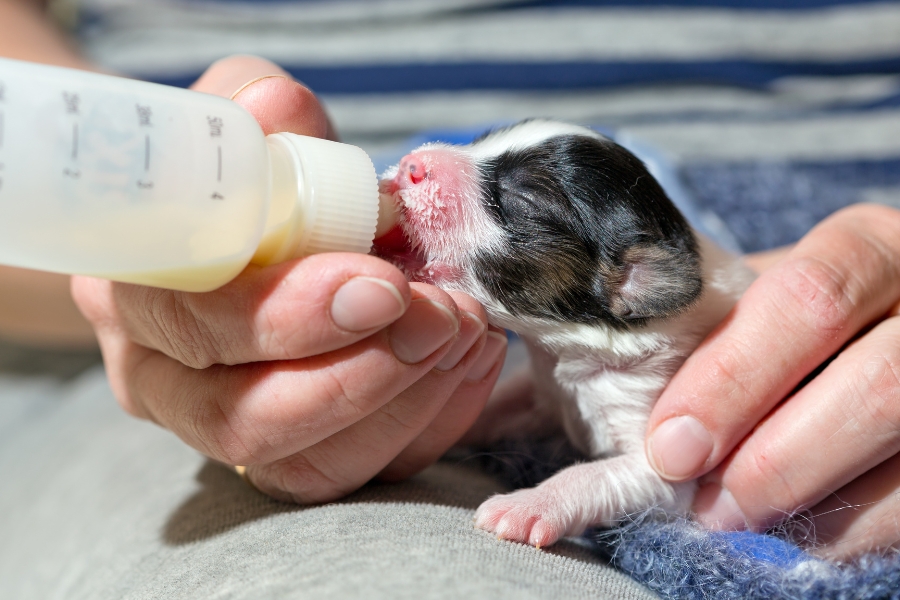
In this article, we explain the different types of bottles for young animals, their features, when to use them, and practical tips to make feeding easier.
Why Is It So Important to Choose the Right Bottle?
Newborns are fragile, have a weak suck, and have very small mouths. An unsuitable bottle can:
-
Cause milk aspiration and pneumonia.
-
Lead to malnutrition if the right amount does not flow.
-
Cause feeding refusal if the nipple is uncomfortable.
-
Injure the mouth or gums if it is too hard or too large.
That is why it is essential to choose the right bottle for the animal's species and size.
Standard Bottles With Interchangeable Nipples
Features:
-
Plastic, with a capacity of 50 to 150 ml.
-
Soft silicone or latex nipples.
-
Easy to sterilize.
-
Include several nipples with holes of different sizes.
Recommended use:
-
Puppies and kittens from their first day of life.
-
Ideal for people caring for several young animals at once.
Pros:
Affordable and reusable
Easy to find at pet stores
Compatible with several small species
Cons:
If the hole is not the right size, too much milk may flow
Some young animals need smaller or softer nipples
Syringes With Nipples
Features:
-
1 to 10 ml syringes with a soft nipple attachment.
-
Allow you to precisely control the amount given.
Recommended use:
-
Kittens, rabbits, ferrets, or very small rodents.
-
Very weak animals or those that cannot suck on their own.
Pros:
Precise control over milk flow
Ideal for slow feeding
Useful for premature young animals
Cons:
Requires more time and care
The nipple can wear out quickly
Droppers or Pipettes
Features:
-
Tubes with soft rubber tips for sucking up and releasing drops.
-
Used to give small amounts of liquid.
Recommended use:
-
Very fragile newborns or first feedings after birth.
-
Wild birds, reptiles, and baby mice.
Pros:
Easy to use with very small babies
Control over each drop helps prevent choking
Cons:
Does not encourage natural sucking
Not suitable for larger or more active babies
Professional Veterinary Bottles (Miracle Nipple Style)
Features:
-
Anatomically shaped silicone nipples.
-
Designed to mimic the mother's nipple.
-
Used with a syringe or a special bottle.
Recommended use:
-
Very young or orphaned babies of small or exotic species (squirrels, opossums, hedgehogs, etc.).
-
Recommended by breeders and rescue centers.
Pros:
Soft, safe, and comfortable for the animal
Reduced risk of aspiration
Widely accepted by young animals
Cons:
More expensive than conventional options
Hard to find in regular stores
Makeshift Bottles (Emergencies Only)
In emergencies, droppers, straws, insulin bottles, or syringes without nipples can be used. However, these methods are not ideal and should only be used while you obtain the proper supplies.
Tips for Using Bottles Correctly
-
Sterilize the bottle and nipple before each use.
-
Make a small hole in the nipple if it doesn't already have one, just large enough for drops to come out (not a stream).
-
Warm the milk to 37-38°C, close to body temperature.
-
Place the animal in a prone or natural position (never on its back like a human baby).
-
Don't force it to swallow; let it suck at its own pace.
-
Watch for choking or milk coming out of the nose: stop feeding immediately and consult a veterinarian.
How Often Should You Feed Them?
It depends on the species and age, but as a general guide:
| Species | Age | Frequency |
|---|---|---|
| Dog | 0-2 weeks | Every 2-3 hours |
| Cat | 0-2 weeks | Every 2-3 hours |
| Rabbit | 0-1 week | 2 times a day |
| Rodents | 0-1 week | Every 2 hours |
Remember that every animal has its own needs, and it's always best to consult a veterinarian.
The right bottle can make the difference between a healthy young animal and one with serious developmental problems. The type you choose depends on the animal's size, age, species, and condition. Patience, strict hygiene, and proper feeding technique are key to saving lives and supporting healthy development in the first few weeks.