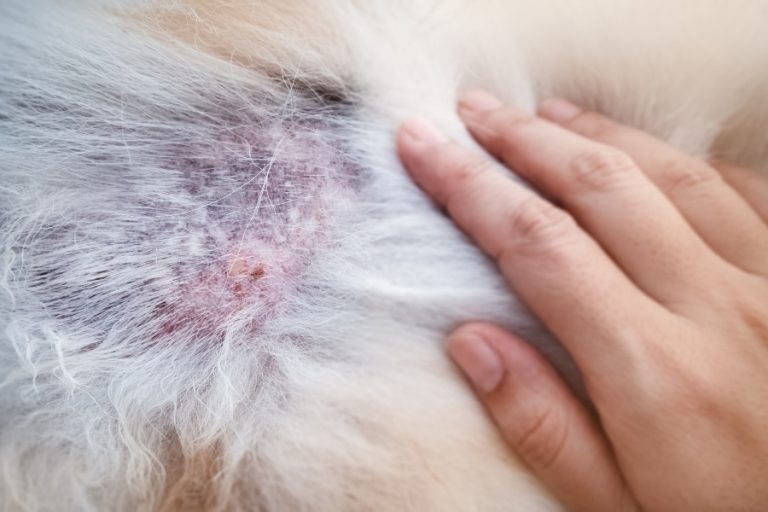
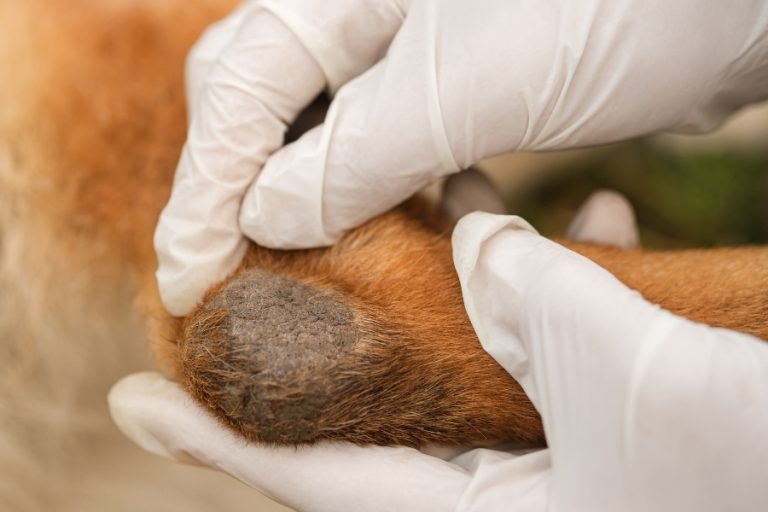
Ringworm in cats is a common fungal infection that can affect their skin and coat. Early detection is essential to prevent complications and spread to other animals and people. In this article, we'll explore the symptoms, how it spreads, and the appropriate treatment for this condition.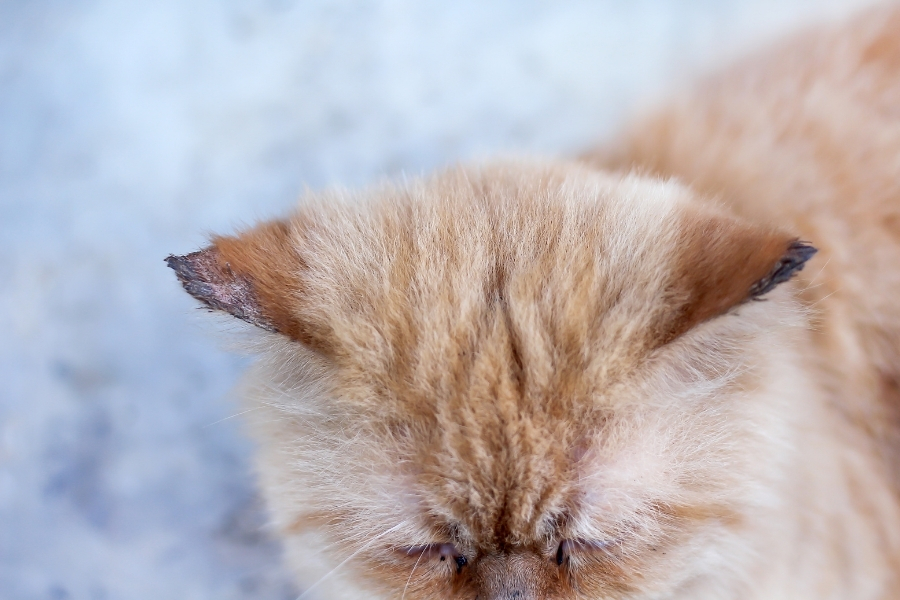
What is ringworm in cats?
Ringworm in cats, scientifically known as dermatophytosis, is an infection caused by fungi of the genus Microsporum canis. This highly contagious disease can appear on various parts of a cat's body, especially in areas with less fur.
The fungus feeds on keratin, a protein found in animals' skin, hair, and nails. This can lead to a range of symptoms that affect a cat's quality of life. Early detection is key to effective treatment.
What are the symptoms of ringworm in cats?
Symptoms of ringworm in cats can vary, but generally include:
- Hair loss: Hair loss is one of the first signs.
- Yellowish scabs: These may appear on affected areas.
- Unpleasant odor: A foul odor may indicate an infection.
- Frequent scratching: Affected cats tend to scratch more than usual.
- Open sores: Irritation can lead to lesions that require veterinary attention.
It's important to watch for these symptoms. If you notice any of them in your cat, it's a good idea to visit the veterinarian as soon as possible for an accurate diagnosis.
How does ringworm spread among cats?
Ringworm in cats is mainly spread through direct contact with an infected animal. The environment can also play an important role in the spread of the fungus. Here are some common ways it can spread:
- Contact with another cat: Cats often become infected while playing with or being near other infected cats.
- Contaminated surfaces: The fungus can survive on items such as beds, toys, and brushes.
- Contact with humans: Although less common, humans can also catch ringworm from cats.
Good hygiene and disinfection at home are important to prevent the spread of this fungus.
What is the treatment for ringworm in cats?
Treating ringworm in cats often takes patience and care. Veterinarians may recommend the following approaches:
- Oral antifungal medications: Medications such as griseofulvin or terbinafine are commonly used.
- Antifungal shampoos: These help clean the skin and eliminate the fungus.
- Restricting access: It's essential to keep your cat in clean, disinfected areas.
- Veterinary follow-up: It's important to visit the veterinarian to monitor the progress of treatment.
Keep in mind that treatment may last several weeks, and it’s crucial to follow your veterinarian’s instructions to ensure your cat’s recovery.
How to Prevent Ringworm in Cats
Prevention is key to keeping your cat from getting ringworm. Here are some steps you can take:
- Hygiene and disinfection: Keep your home clean and disinfect items that come into contact with your cat.
- Regular veterinary checkups: These can help detect problems before they get worse.
- Avoid contact with unfamiliar animals: Limit interactions with cats that may be infected.
A good practice is to keep your cat in a clean, controlled environment. This helps prevent not only ringworm but also other infections.
Can Humans Catch Ringworm from Cats?
Yes, ringworm in cats is contagious to humans, although it is generally less severe in people. People with weakened immune systems or prolonged contact with an infected cat are at greater risk of contracting the infection.
Symptoms in humans may include redness, itching, and flaky skin. If you have been in contact with an infected cat, practice good hygiene and consult a doctor if symptoms develop.
Frequently Asked Questions About Ringworm in Cats
How Long Are Cats with Ringworm Contagious?
Cats may be contagious from the time symptoms appear until several weeks after treatment begins. However, they often remain contagious until a veterinarian confirms that the fungus has been eliminated through appropriate testing. Therefore, it is essential to follow your veterinarian’s recommendations and avoid contact with other animals or people during this time.
How Is Ringworm from Cats Treated in Humans?
Treatment for ringworm in humans generally involves topical antifungal creams or, in more severe cases, oral medication. It is important to follow a healthcare professional’s instructions. Good personal hygiene and avoiding scratching affected areas are also crucial steps in preventing the infection from spreading.
Did My Cat Give Me a Fungal Infection?
If you have been in close contact with a cat showing signs of ringworm, it may have passed the infection to you. Watch for any skin symptoms and consult a doctor if needed. Early detection and treatment are key to limiting the spread of the infection.
Caring for a Cat with Ringworm
To care for a cat with ringworm, it is vital to follow an appropriate care plan. This includes keeping the environment clean and disinfected, as well as providing a calm, comfortable space for your cat. Be sure to follow your veterinarian’s instructions exactly and stick to the prescribed treatment. With proper care, most cats recover fully without complications.
Ringworm in Cats: Diagnosis and Effective Treatment
Ringworm in cats is diagnosed through a clinical examination and often a skin scraping for analysis. It is essential for a veterinarian to make the diagnosis, since other conditions can cause similar symptoms. Effective treatment combines antifungal medications with intensive care.
In conclusion, ringworm in cats is a condition that requires prompt attention. With proper care and timely veterinary intervention, it can be successfully managed and treated.