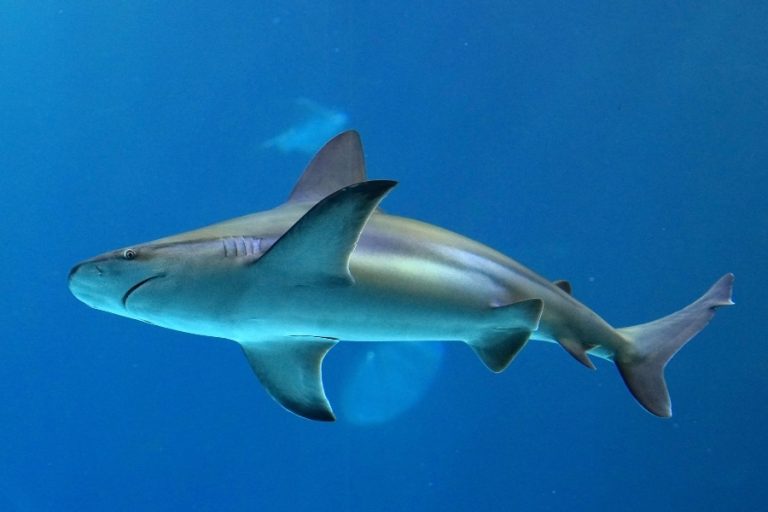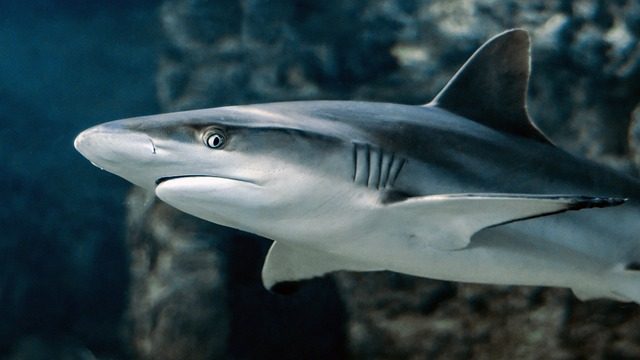
Sharks have always inspired great interest and, at times, concern. Along Spain's coasts, the presence of these marine animals is a topic of discussion for both residents and tourists. Although the risk of an encounter is relatively low, it's important to know which species you might come across and what to do if you spot one.
Which Spanish beaches are most likely to have shark sightings?
In Spain, shark sightings are not an everyday occurrence, but there are certain areas where the chances of encountering one of these animals are higher. The coasts of Galicia, Valencia, Alicante, and the Balearic Islands are among them. Although the sharks that live in these waters rarely pose a threat to humans, fear of these fish means that any report of a sighting causes concern among beachgoers.
In recent years, a slight increase in the presence of sharks near beaches has been observed due to climate change and other environmental factors. However, this does not necessarily mean an increased risk to people.
Local authorities and rescue services are always on alert and ready to take necessary measures, such as closing beaches due to sharks, if they determine that beachgoers face a real danger.
Where are you most likely to encounter a shark in Spain?
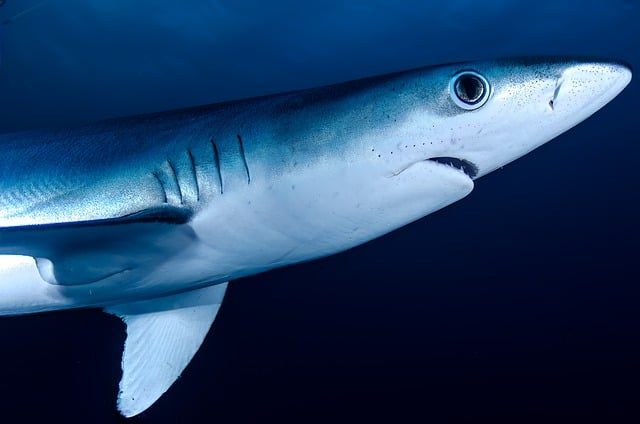
The waters of the Mediterranean and parts of the Atlantic near the Iberian Peninsula are natural habitats for various shark species. In particular, places such as Altea and Gran Canaria have recorded significant numbers of sightings. However, these encounters are usually with species that pose no threat to humans, such as the blue shark, hammerhead shark, and basking shark.
It's important to note that although there are areas where shark sightings are more likely, encounters are rare and the risk of an attack is extremely low.
Authorities monitor these areas and take precautions to ensure everyone's safety in the water if a sighting is confirmed.
What should you do if you encounter a shark at the beach?
- Stay calm and avoid sudden movements that could attract the shark's attention.
- If you're in the water, get out calmly and in an orderly manner.
- Notify lifeguards or beach authorities immediately.
- Keep the shark in sight and, if possible, maintain a safe distance.
- Avoid swimming alone or in areas where sharks have been reported.
Taking precautions when sharks are spotted is vital for beachgoers' safety. It's therefore essential to follow local authorities' instructions and heed warning signs at the beach.
Is it dangerous to swim at Spanish beaches where sharks are present?
Many people wonder whether it's safe to swim at beaches with sharks. However, statistics show that the risk of a shark attack is minimal. In fact, the odds of being attacked by a shark are estimated at one in a million.
Although the presence of sharks at some Spanish beaches can cause some chaos, it's important to remember that not all sharks are dangerous to humans. Many species are harmless and avoid contact with people.
Authorities are prepared to manage these situations, and in most cases, sightings turn out to be brief encounters with no consequences.

Why do sharks appear off Spain's coasts?
There are several reasons why sharks appear off Spain's coasts. Climate change and sharks are closely linked because changes in water temperature can affect the migration routes and habitats of different species.
Another factor is food availability. Sharks follow their prey, and if their prey move closer to shore, sharks may do the same. Sharks may also come closer to shore in search of breeding grounds or because of ocean currents.
Although sharks appearing off the coast may indicate a healthy marine ecosystem, it also draws interest from the scientific community and conservation efforts.
What Types of Sharks Can Be Found in Spain?
Several shark species can be found in the waters surrounding Spain. Some of the most common include:
- Blue shark (Prionace glauca): Known for its beautiful blue coloring and streamlined body, this species rarely poses a danger.
- Hammerhead shark (Sphyrnidae): Famous for the distinctive shape of its head, it usually lives in deeper waters.
- Basking shark (Cetorhinus maximus): Despite its large size, it feeds mainly on plankton and is completely harmless to humans.
Knowing which species live in Spain’s marine environment is essential for understanding their behavior and the importance of their conservation.

To illustrate this, here’s a video showing one of the shark sightings in Spain:
Frequently Asked Questions About Sharks in Spain
Where Are Sharks Found in Spain?
Sharks can be found in several coastal areas of Spain, especially in places with deeper waters and rich biodiversity. The coasts of Galicia, Catalonia, Spain’s eastern coast, and the Balearic and Canary Islands are among the areas where sharks are more likely to be found.
It’s important to remember that these animals’ presence is a sign of a healthy marine ecosystem and that they generally don’t interfere with recreational activities at beaches.
Where Are You Most Likely to See Sharks in Spain?
In Spain, you’re more likely to spot sharks in areas with warmer waters and more abundant food. These include areas near the Canary Islands and the Mediterranean Sea, where marine biodiversity attracts different shark species.
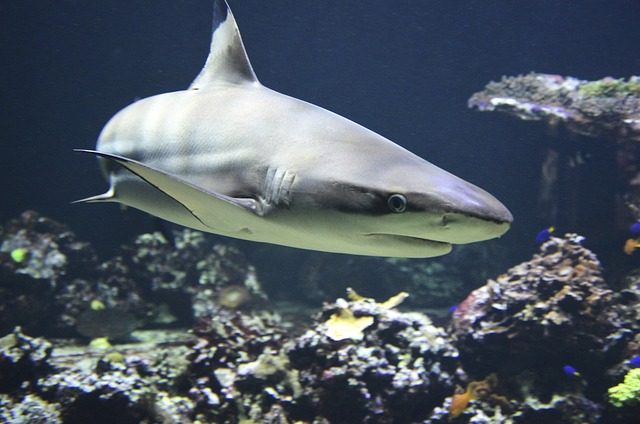
The shark species in the Mediterranean vary, and although not all are visible from shore, fishers and marine life enthusiasts often report sightings.
Where Are Sharks Most Common in the Mediterranean?
The Mediterranean is home to a diverse range of shark species, with sightings reported more frequently in areas such as the Strait of Gibraltar, around the Balearic Islands, and at some points along the Catalan and Valencian coasts. These areas are rich ecosystems that provide ideal conditions for these fish.
Conserving and studying sharks in these areas is essential to maintaining the balance of the marine ecosystem.
Where Can You See Great White Sharks in Spain?
Although great white sharks are very rare in Spanish waters, there have been occasional reports of sightings, mainly in open water far from shore. However, these reports are uncommon, and great white sharks are not considered to have a stable population in Spanish waters.
Most sharks spotted off Spain’s coasts are harmless and pose no threat to humans, so the risk of a shark attack is very low.
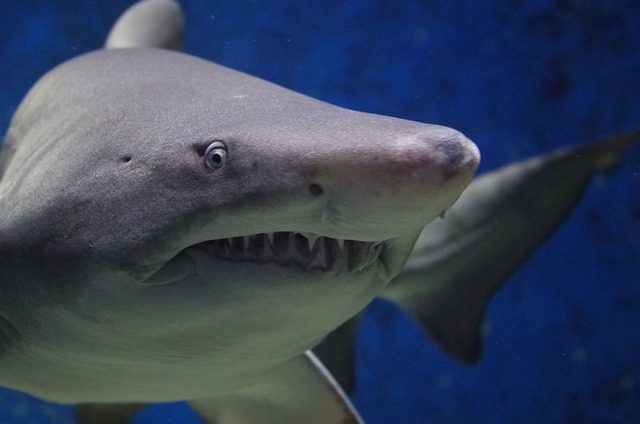
It’s understandable that sharks fascinate us, given their impressive presence and ecological importance. Learning more about their behavior and natural habitat allows us to enjoy our time in the ocean with respect and care. Despite the challenges posed by climate change, Spain’s coasts remain a safe and appealing place for both sharks and ocean lovers.