The great white shark, scientifically known as Carcharodon carcharias, is one of the ocean’s most fascinating and feared predators. Known for its impressive size and skill as a hunter, this fish has captured people’s imagination for years. In this article, we’ll explore its characteristics, habitat, reproduction, and conservation status.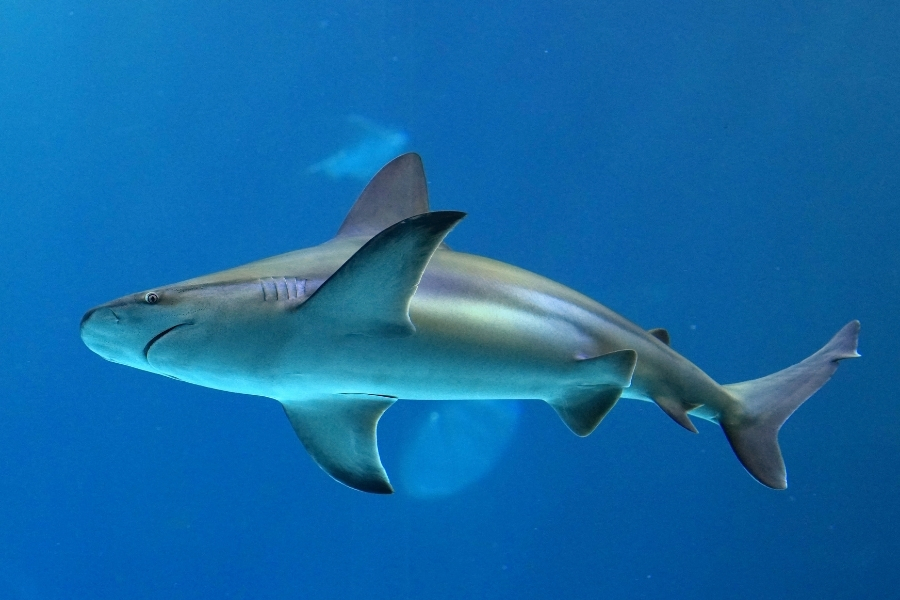
Where Do Great White Sharks Live?
Great white sharks live in temperate and tropical waters throughout the world’s oceans, making them highly adaptable fish. These predators prefer coastal areas and the open ocean, where they are more comfortable hunting. They are commonly found in:
- The California coast.
- The waters off South Africa.
- The coasts of Australia.
- The Mediterranean Sea.
In addition to preferring warm waters, great white sharks are drawn to areas where prey, such as seals and sea lions, is abundant. Their ability to migrate long distances in search of food is remarkable, and they are often seen traveling between different habitats depending on resource availability.
Their habitat is not limited to coastal waters; they can also be found in the open ocean, exploring depths ranging from 0 to 1,200 meters. This flexibility in habitat choice contributes to their success as predators.
Great White Shark Characteristics
The great white shark is known for its impressive size, reaching up to 7 meters long and weighing 2 tons. Its streamlined, torpedo-shaped body allows it to swim with great speed and agility. Some of its most notable characteristics include:
- Gray back: Its upper body is dark gray, which helps it blend in with the ocean floor.
- White belly: Its white underside makes it less visible from below, blending in with the light coming from the surface.
- Powerful jaws: It has a powerful jaw lined with multiple rows of sharp teeth, ideal for tearing flesh.
In addition to its physical characteristics, the great white shark is known for its exceptional sense of smell. It can detect a drop of blood in the water from more than a kilometer away, making it an exceptional hunter. Its keen senses, along with its solitary and territorial behavior, make it one of the ocean’s most efficient predators.
What Do Great White Sharks Eat?
The great white shark has a varied diet, but mainly eats marine mammals and large fish. Its primary prey includes:
- Seals: Its preferred prey because of their high fat content.
- Sea lions: They are also frequent targets.
- Large fish: Including tuna and other sharks.
The great white shark’s hunting behavior is fascinating. It uses its speed and strength to ambush prey, often attacking from below to catch it by surprise. Its hunting technique relies on stealth and rapid acceleration, allowing it to capture prey with ease.
However, the great white shark is more than just a predator; it also plays a crucial role in the ocean ecosystem. As an apex predator, it regulates populations of other species, helping maintain balance in the marine ecosystem.
Great White Shark Reproduction and Lifespan
Great white sharks are ovoviviparous, meaning that their young hatch from eggs that remain inside the mother’s body. Gestation lasts about a year, after which the mother gives birth to between 2 and 14 pups. Some important features of their reproduction include:
- Parental care: Mothers do not care for their young after giving birth, so the pups must fend for themselves from birth.
- Lifespan: Great white sharks can live up to 70 years, although most do not reach this age because of environmental threats.
Great white shark reproduction is a delicate process that is critical to the species' conservation. As populations decline, it becomes essential to understand how these sharks reproduce and how their breeding grounds can be protected.
Great White Shark Conservation Status
Great white sharks face serious threats from human activity. Overfishing, pollution, and habitat destruction have led to the species being classified as vulnerable. The main concerns about its conservation status include:
- Bycatch: Many sharks are accidentally caught in fishing nets.
- Demand for fins: Shark finning has drastically reduced their population.
- Water pollution: Pollution can affect their health and the health of their prey.
It is essential to implement effective conservation strategies, including fishing regulations, the creation of marine protected areas, and public education programs about the importance of great white sharks in the marine ecosystem.
Are Great White Sharks Dangerous?
The perception of the great white shark as a dangerous predator has been amplified by its portrayal in the media and popular culture. However, it is important to understand its behavior and the reality of shark attacks on humans.
In general, great white sharks do not hunt humans, and most encounters are accidental. These animals tend to bite and release, which suggests they do not consider humans prey. Statistics show that attacks are rare compared with the number of interactions between humans and sharks.
Education about great white sharks and their behavior could help reduce fear and promote conservation of the species. Protecting their habitat and understanding their role in the ecosystem are vital to their survival and that of marine ecosystems.
Frequently Asked Questions About Great White Sharks
What Type of Reproduction Do Great White Sharks Have?
Great white sharks are ovoviviparous, meaning their eggs develop inside the mother and the pups are born alive. This process can take up to a year, during which the embryos feed on nutrients from the egg. Although there is no parental care after the pups are born, the mother provides a safe environment during their early development.
Where Do Great White Sharks Live?
Great white sharks live in temperate and tropical waters around the world. They can be found in the open ocean and near the coast, where prey is abundant. Regions such as the California coast, South Africa, and Australia are known to have significant great white shark populations.
Where Do Great White Sharks Give Birth?
Great white shark pups are often born in coastal areas and protected bays, where they face a lower risk of predation. However, there is no specific place designated for their “birth,” since mothers do not care for their pups after delivery. The pups must fend for themselves from the moment they are born.
What Do Great White Sharks Eat?
Great white sharks feed mainly on marine mammals, such as seals and sea lions, as well as large fish. Their varied diet allows them to adapt to different habitats and prey availability. They are agile, powerful predators capable of hunting efficiently in their environment.