The Tamaskan is a fascinating dog breed that has grown in popularity in recent years thanks to its wolf-like appearance and gentle temperament. Originally from Finland, this dog is not only an excellent companion but also an excellent working dog.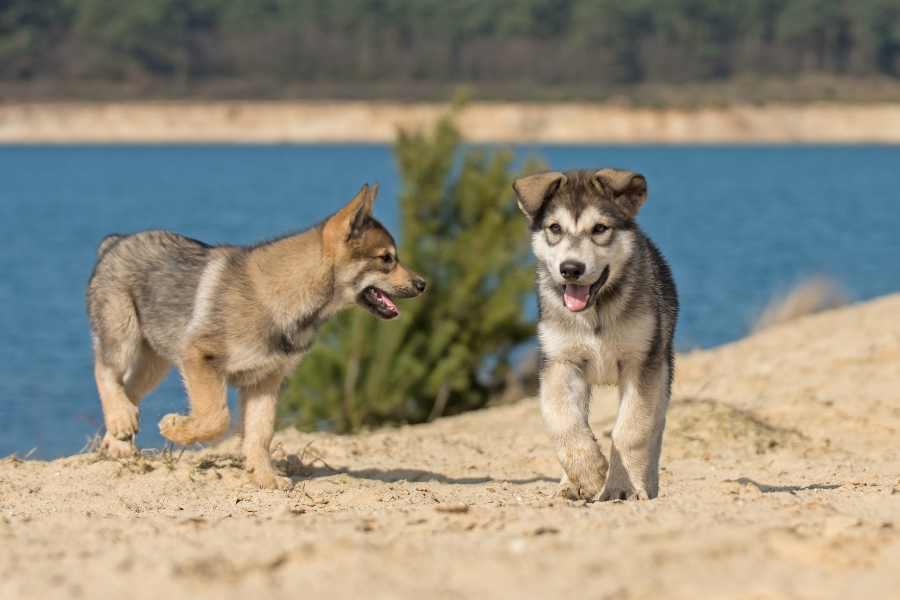
In this article, we’ll take an in-depth look at the Tamaskan’s characteristics, temperament, care needs, and health. If you’re thinking about adding a Tamaskan to your family, you’ll find essential information here.
Where can you adopt a Tamaskan?
Adopting a Tamaskan can be a rewarding experience if you know where to look. One option is to contact reputable, responsible breeders. In Spain, for example, several certified breeders specialize in this breed and may be able to offer you a healthy, well-socialized puppy.
You can also consider adopting through rescue organizations that work with purebred dogs. Sometimes Tamaskans are available for adoption after being abandoned or when they need a new home.
When adopting a Tamaskan, be sure to thoroughly research the breeder or organization to ensure the dogs receive proper care and are well-socialized from puppyhood.
Tamaskan characteristics
The Tamaskan is a large, sturdy dog with a wolf-like appearance, which makes it especially appealing to many people. Its coat is thick and can come in a range of colors, most commonly gray and black.
Some of the breed’s most notable characteristics include:
- Size: Tamaskans typically stand between 60 and 75 cm tall and weigh between 25 and 45 kg.
- Coat: Their double coat makes them highly resistant to water and cold.
- Temperament: They are friendly, affectionate, and protective dogs, making them excellent family companions.
They also learn quickly, making them well suited to a range of activities, from dog sports to search-and-rescue work.
Tamaskan temperament
The Tamaskan’s temperament is one of its greatest assets. Despite their imposing appearance, they are very sociable and affectionate dogs. They get along well with children and other animals, provided they have been properly socialized from puppyhood.
However, it’s important to keep in mind that they need consistent training and good socialization to prevent behavioral problems. They are intelligent dogs that respond well to positive reinforcement and mental stimulation.
In general, Tamaskans seek the company of their family and may be prone to developing separation anxiety if left alone for long periods.
Tamaskan care and feeding
Caring for a Tamaskan takes time and dedication. Their coat should be brushed regularly to prevent tangles and keep it healthy. This becomes even more important during shedding season.
When it comes to feeding, it’s essential to provide a balanced diet that meets their nutritional needs. Ideally, choose a high-quality food that contains:
- Animal-based protein.
- Whole grains or healthy carbohydrates.
- Vitamins and minerals needed for growth and development.
The amount of food should also be adjusted based on the dog’s activity level, since Tamaskans are very active dogs that need an appropriate calorie intake.
Exercise for the Tamaskan
The Tamaskan is a breed that needs plenty of exercise every day. At least 1-2 hours of physical activity per day is recommended, which can include walks, playtime, and training. This helps them stay healthy and avoid boredom-related behavior problems.
Activities they enjoy include running, playing fetch, and participating in dog sports. Mental stimulation is just as important, so incorporating agility exercises and puzzle games is beneficial.
A Tamaskan that doesn't get enough exercise may become destructive or develop unwanted behaviors, so it's essential to meet its physical activity needs.
Tamaskan Health
The Tamaskan's health is an important consideration when adopting this breed. Although they are generally healthy, they may be prone to certain inherited conditions. It's crucial to choose a responsible breeder who screens their breeding dogs for health issues.
Some conditions they may be predisposed to include:
- Hip and elbow problems.
- Eye conditions, such as cataracts.
- Heart disease.
Regular veterinary checkups and vaccinations are essential to keep your Tamaskan in optimal health. It's also important to care for their dental health with regular brushing and checkups.
Tamaskan History and Origin
The Tamaskan breed was developed in Finland in the 1980s. The goal was to create a dog that not only looked like a wolf but also had the desirable qualities of various working breeds.
Breeders used a combination of breeds, including the Siberian Husky, the Alaskan Malamute, and other wolf-like dog breeds to achieve the desired result. Since then, the Tamaskan has grown in popularity not only in Europe but also on other continents.
Thanks to its intelligence, working ability, and balanced temperament, the Tamaskan has found a place in homes and families around the world, becoming a loyal and protective companion.
Frequently Asked Questions About the Tamaskan
Which Dog Breed Requires the Least Care?
Several dog breeds require less care than the Tamaskan. In general, short-haired dogs, such as the Beagle or the Pug, tend to need less brushing and maintenance. Some smaller breeds, such as the Chihuahua, are also easier to care for in terms of space and exercise.
However, every dog is an individual and may need specific care based on its health and temperament. That's why it's always a good idea to thoroughly research the breed you're considering adopting.
How Much Does a Tamaskan Dog Cost?
The price of a Tamaskan can vary depending on several factors, such as location and breeder. In general, you can expect to pay between 1.500 and 3.000 euros for a puppy from a responsible breeder in Spain. This cost may reflect the quality of the breeding program, the care given to the puppies, and the parents' genetic health.
It's important not to cut corners when it comes to your future companion's health. Make sure you choose a breeder who performs health testing and offers guarantees regarding the quality of their dogs.
If you're interested in a Tamaskan, do your research and take your time finding a reputable breeder who meets your expectations.