The German Spitz is synonymous with elegance and cheerfulness. With its fluffy coat and alert expression, this breed has won the hearts of many dog lovers over the years. Originally from Germany, these dogs stand out not only for their adorable appearance but also for their loyalty and adaptability to different environments.
What Is the Small German Spitz?
The small German Spitz, also known as the Kleinspitz, is one of the size varieties of this ancient dog breed. Often mistaken for close relatives such as the Pomeranian, the small German Spitz is known for its independence and watchdog abilities, despite its compact size.
This small companion dog weighs between 8 and 10 kg, making it an excellent choice for those looking for a purebred dog that is more manageable in size than its larger counterparts.
Although they are small, their personalities are anything but. They are energetic dogs that are always alert to their surroundings, making them excellent pets for both country and city living.
Loyalty and intelligence are two of this breed’s notable traits, making training and day-to-day life together easier.
What Are the German Spitz’s Physical Characteristics?
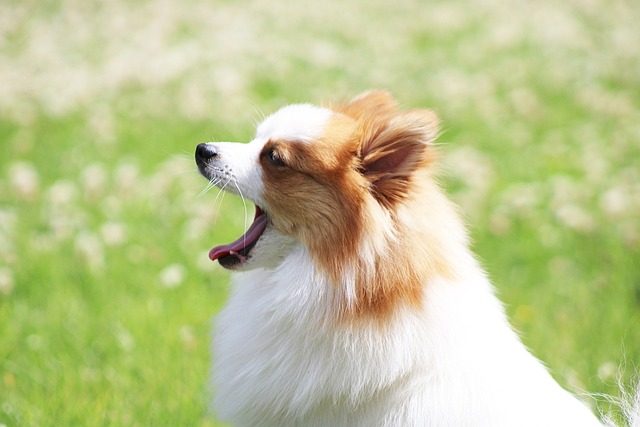
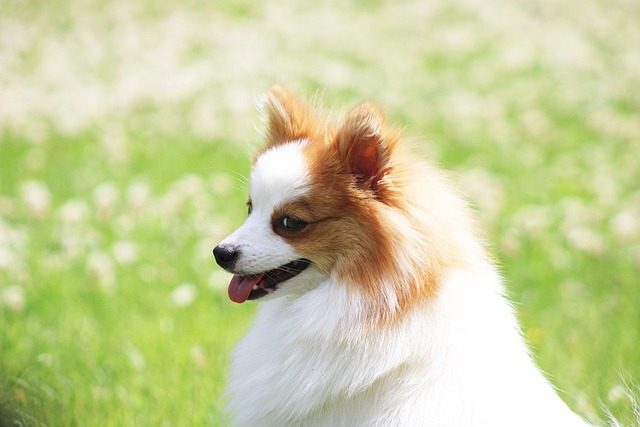
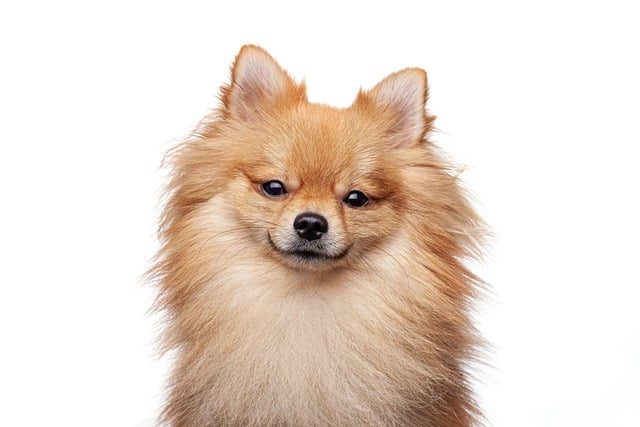
The small German Spitz has a long, thick coat that requires daily care to maintain its characteristic, healthy appearance. Its tail, which curls gracefully over its back, is one of its most distinctive features.
This breed also comes in a wide variety of colors, from pure white to deep black, as well as cream, gray, and brown. Its always-alert expression is complemented by bright eyes and small, pointed ears, adding to its charm.
Size is another important factor. Although they belong to the small dog group, their height ranges from 23 to 29 cm, making them compact yet lively and robust.
Where Did the Small German Spitz Originate?
The German Spitz has a long and rich history. It is descended from Nordic herding dogs and has been part of Central European culture for centuries. The breed has been valued for its versatility, serving both as a farm dog and as a companion to the nobility.
In Germany, its country of origin, the German Spitz is revered as one of the country’s most traditional dog breeds and has been carefully bred over time to preserve its unique characteristics.
The breed comes in several sizes, from the small Kleinspitz to the larger Mittelspitz, reflecting these dogs’ adaptability and popularity.
What Care Does a German Spitz Need?
Caring for the German Spitz is essential to its well-being. Its coat requires particular attention and should be brushed regularly to prevent tangles and keep it looking its best.
When it comes to health, it’s important to stay on top of the breed’s specific needs, including regular veterinary checkups, up-to-date vaccinations, and balanced nutrition.
Physical activity should be part of the daily routine. Despite their small size, these dogs are active and enjoy walks and play, which are essential for their mental and physical well-being.
Finally, don’t neglect dental health. Proper oral hygiene can help prevent future problems and contribute to your pet’s quality of life.
What Is the Small German Spitz’s Temperament and Behavior Like?
The small German Spitz has a cheerful, lively temperament. They are known for their alert nature and their ability to serve as watchdogs despite their small size.
They adapt well to family life and are affectionate with their owners. However, their protective nature can make them wary of strangers, so proper socialization from puppyhood is essential.
This breed is notably intelligent, which makes training easier. German Spitz dogs are sensitive to tone of voice and respond well to positive, consistent training. Their curious nature also makes them excellent companions for puzzle games and activities that stimulate their minds.
When it comes to living with other animals, German Spitz dogs can become great friends with other household pets if they are properly socialized from a young age.
Early socialization is essential to a German Spitz’s emotional development and future behavior. It reduces the likelihood of shyness or aggression in unfamiliar situations or around other living beings.
Exposing a puppy to a variety of people, animals, and environments from an early age will build confidence and help them handle new experiences throughout life.
Socialization also helps strengthen the bond between a dog and their owner, fostering a more harmonious relationship and helping the owner better understand their pet’s signals.
Group training classes can also be beneficial, allowing German Spitz dogs to learn alongside other dogs and get used to a controlled, safe environment.
German Spitz: Characteristics and Care
Understanding the German Spitz’s characteristics and care needs is essential for anyone considering bringing one into their life. Their thick coat needs careful grooming, using quality products that are suitable for its coat.
When it comes to nutrition, it’s a good idea to look for options that meet their energy needs and support their overall health and beautiful coat.
Don’t overlook physical and mental activity. Despite their small size, German Spitz dogs need regular exercise and enjoy spending time with their family to maintain a positive mood.
Regular veterinary visits are essential to every dog’s care, and the German Spitz is no exception. Since the breed can be prone to certain health conditions, such as dental or skin problems, preventive veterinary care can make a big difference.
German Spitz: A Suitable Diet
A German Spitz’s diet should be balanced and tailored to their size, age, and activity level. Foods rich in nutrients that support a healthy coat and skin are essential.
It’s a good idea to divide their daily food intake into several small meals to help prevent digestive problems and keep their metabolism active.
Supplements can be a valuable addition to their diet, provided they are prescribed by a professional. They may help keep their joints healthy and support their immune system.
It’s essential to avoid overfeeding, as German Spitz dogs may be prone to becoming overweight, which can lead to other health problems.
Frequently Asked Questions About the German Spitz
What’s the Difference Between a Pomeranian and a German Spitz?
Pomeranians and Miniature German Spitz dogs share common ancestors, but have diverged in size and physical traits. Pomeranians tend to be smaller and have finer bone structure, while German Spitz dogs are slightly larger and more robust.
Both are intelligent and loyal, but the German Spitz may be more independent and have a stronger guarding instinct.
How Much Does a German Spitz Cost?
The price of a German Spitz can vary widely depending on factors such as lineage, location, and the breeder’s reputation. It’s important to do your research and choose ethical, responsible breeders who prioritize the health and welfare of their puppies.
In addition to the initial purchase price, consider the ongoing costs of care, including food, veterinary care, and other expenses related to their well-being.
How Many Types of Spitz Dogs Are There?
There are several varieties of German Spitz, distinguished mainly by size. From the Kleinspitz to the Giant Spitz, each type has traits suited to different lifestyles and personal preferences.
Regardless of size, they all share the intelligence and loyalty that make this breed special and beloved by many.
What Are German Spitz Dogs Like?
German Spitz dogs are lively, alert, and full of energy. They are highly adaptable and enjoy both the comfort of home and outdoor adventures.
Their protective nature and tendency to bark make them good watchdogs, though they are still companion dogs.
To learn more about the German Spitz, here’s a video highlighting the breed’s distinctive traits and beauty.
In summary, the Miniature German Spitz combines beauty, intelligence, and loyalty. Their adaptability and cheerful nature make them an ideal companion for many types of households and lifestyles. With proper care and early socialization, they can become a happy, healthy, and much-loved member of the family.