A dog’s death is a painful and difficult process for many owners to face. Uncertainty about our pet’s health often causes distress. Recognizing the signs that a dog may be nearing the end of life is vital so you can respond with love and care during their final days.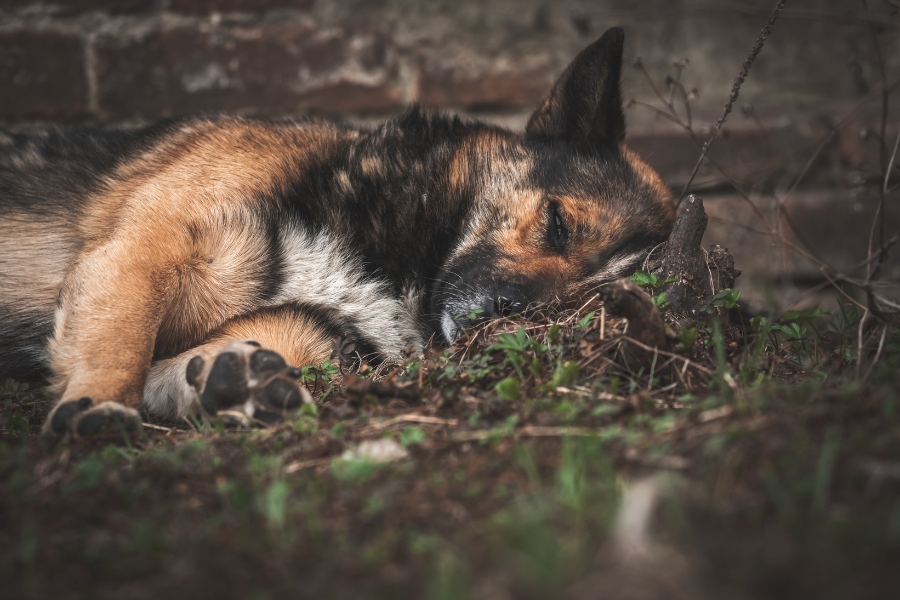
Recognizing these signs can help us prepare emotionally and provide the best possible care during this final stage. Below, we’ll explore the most common signs that a dog may be nearing the end of life.
How Do Dogs Say Goodbye Before They Die?
Like humans, dogs may show changes in behavior during their final days. They may seek comfort from their owner or withdraw to spend their last moments alone. This behavior is part of their instinct and may reflect their emotional state.
In many cases, dogs may look for a quiet place where they feel safe and comfortable. They may withdraw from other pets and people. This could be an attempt to avoid stress or simply a search for peace.

Dogs may also make an effort to say goodbye to their owners. They may become more affectionate and seek petting and attention. These moments are often especially moving and can be emotionally difficult to handle.
What Are the 11 Signs That a Dog Is Nearing the End of Life?
Recognizing the signs that a dog may be nearing the end of life is essential for responding appropriately. Here is a list of the 11 most common signs:
- Loss of appetite: A dog who feels unwell generally loses interest in food.
- Lethargy: Low energy and inactivity can indicate serious health problems.
- Changes in vital signs: Changes in breathing or pulse are concerning.
- Difficulty moving: Dogs may show stiffness in their joints.
- Incontinence: They may lose control of their bladder or bowels.
- Vomiting: Frequent vomiting may be a sign that something is wrong.
- Loss of interest in everyday activities: A dog who used to be active may stop playing or going for walks.
- Changes in sleep: Sleeping more than usual or not sleeping at all can be concerning signs.
- Grimacing or whining: Signs of pain or discomfort are serious symptoms.
- Withdrawal: As mentioned earlier, wanting to be alone can be a sign of distress.
- Lack of responsiveness: A decrease in interaction with their surroundings is a serious symptom.
If you notice any of these signs in your dog, it’s essential to consult a veterinarian to assess their health.
How Can I Tell if My Dog Is in Their Final Days?
Knowing whether a dog is in its final days can be emotionally challenging. In addition to the symptoms mentioned, there are other signs that may help you assess their condition.
Dogs often lose weight rapidly at this stage. This weight loss may be related to a lack of appetite and could be a sign that their body is deteriorating.
Some dogs also experience behavioral changes, such as increased aggression or, conversely, extremely submissive behavior. This change can be frustrating and confusing for their owners.
Also, if you notice that your dog stops responding to things that used to interest them, it may be a sign that their health is declining. This includes not responding to commands or to their owner's call.
What should you do if your dog is dying?
When faced with the signs that a dog is dying, it's crucial to know what to do. First, provide a comfortable, quiet environment. Make sure their space is cozy and that they have access to fresh water.
Veterinary care is essential. Talk to a veterinarian about your pet's condition. They can offer guidance on the best treatment or palliative care.
Some people choose to seek pet hospice care, which focuses on easing an animal's suffering in their final stage of life. This may include special care and medication to manage pain.
Remember that spending quality time with your dog is essential. Make sure they feel your love and support in their final moments.
How long does the dying process last for a dog?
The length of the dying process can vary significantly from one dog to another. Depending on the illness or condition, it may last anywhere from a few hours to several days.
In general, dogs tend to show signs of decline gradually. At first, they may seem more lethargic and less interested in daily activities. Over time, these symptoms may worsen, leaving the dog unconscious or unable to move.
It's important for owners to watch for changes and consult a veterinarian to better understand the process. They can explain what to expect during this stage.
How do dogs behave before they die?
Before they die, many dogs display behaviors that may seem unusual. They may want to stay closer to their owners or, conversely, prefer to be alone.
Dogs may also seem more calm or, in some cases, more restless. This behavior may reflect their emotional and physical state. Behaviors can vary, so it's vital to watch closely for any changes in their routine.
Some dogs may also show a different pattern of communication, such as unusual barking or vocalizations. These changes can be heartbreaking, but it's important to remember that they are part of the process.
What are the main signs that a dog is about to die?
Several signs may indicate that a dog is nearing the end of life. Some of the most common include:
- Loss of interest in activities: They no longer play or engage with their surroundings.
- Irregular breathing: You may notice a change in their breathing pattern, which may become irregular or shallow.
- Immobility: A dog that doesn't move or stays in one place may be in their final moments.
- Unresponsiveness: Not responding to external stimuli is a critical sign.
If you notice these signs, it's essential to act quickly and consult a veterinarian for guidance.
Related questions about the dying process in dogs
How can you tell if your dog is in their final days?
To tell if your dog is in their final days, look for changes in their behavior and routine. Loss of appetite, lethargy, and increased withdrawal are significant signs. Also, if they seem more emotional or affectionate, it may indicate that they're seeking comfort from you.
How do dogs behave before they die?
A dog may seek more attention before death or, conversely, try to withdraw. Some dogs may also show signs of anxiety or restlessness. It's important to observe their behavior and provide a calm environment.
How do I know when it's time to let my dog go?
Deciding when to let a dog go is heartbreaking. If signs of pain and suffering are clear and treatments are no longer effective, it may be time to consider euthanasia. Talk to your veterinarian to assess your pet's quality of life and make an informed decision.
What should you do in a dog's final days?
In their final days, make sure your dog is comfortable and surrounded by love. Provide a cozy place and let them spend time with their loved ones. It's also crucial to follow your veterinarian's recommendations for palliative care and medication, if needed.