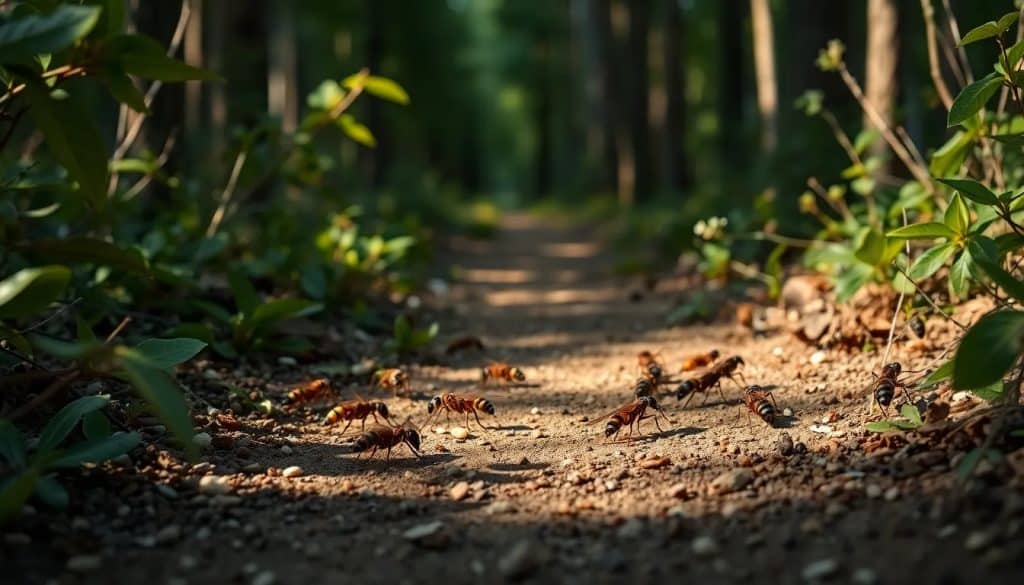
Ants are fascinating insects with a varied and complex diet. Over the course of their evolution, they have developed different feeding habits that allow them to adapt to various environments. In this article, we'll explore what ants eat, the types of food they prefer, and how their habitat affects their diet.
What do ants eat?
Ants are considered omnivores, which means they eat a wide variety of foods. Their diet can range from decaying organic matter to nectar and seeds. This allows them to adapt to different environments and obtain the nutrients they need to survive.
In addition, ants can be granivorous, carnivorous, or even herbivorous, depending on the species. For example, some ants collect seeds, while others hunt insects or feed on fungi. This dietary diversity is essential to the ecosystem, as ants help break down organic matter and pollinate plants.
In general, what ants eat varies depending on their environment and nutritional needs. However, their ability to adapt to different food sources is one of the keys to their success as a species.
What types of food do ants prefer?
The types of food ants prefer can vary significantly by species. Some of the most common foods include:
- Flower nectar, which provides sugars.
- Seeds, which store energy.
- Insects, which provide protein.
- Fungi, which some species cultivate.
- Human food scraps, which are easy to access.
Ants can also communicate with one another through pheromones, allowing them to indicate the location of food sources. This communication is essential for colony members to work together to find food.
In short, ants' favorite foods vary and depend on both the species and the environment. Their adaptability allows them to thrive in a wide range of habitats.
Where do ants live, and how does it affect their diet?
Ants are found in nearly every ecosystem on the planet, from tropical rainforests to deserts. Ants' habitat directly affects their diet. For example, in rural environments, they may have access to a wider variety of natural foods, while in urban areas, they may rely on human food scraps.
Ants living in the wild typically feed on nectar, seeds, and other natural resources. By contrast, those in urban areas may adapt to eating processed foods and human waste. This demonstrates their remarkable dietary flexibility.
Food availability also influences the social behavior of colonies. During periods of scarcity, ants may change their foraging patterns and work together more closely to secure food. Thus, their diet is key to the colony's survival.
What do black ants eat compared with red ants?
Black ants and red ants show notable differences in their feeding habits. In general, black ants tend to be more omnivorous, while red ants may be more aggressive and carnivorous.
Black ants typically feed on a variety of sources, such as nectar, seeds, and small insects. Red ants, on the other hand, are known for hunting other insects, which gives them more protein in their diet.
Both types of ants, however, are essential to ecosystem balance because they play important roles as decomposers and pollinators. This difference in their diets reflects their adaptations to their respective environments.
How do ants hunt?
Ant hunting is a fascinating process involving various strategies, depending on the species. Some predatory ants, such as antlions, use their speed and agility to capture prey.
Other species, such as fire ants, work in groups to surround and attack their prey. This cooperation is essential and demonstrates the complexity of social behavior in ant colonies.
Ants can also use tools, such as leaves or twigs, to help them hunt. This shows that, in addition to being social insects, they are intelligent creatures with problem-solving skills.
What Foods Are Toxic to Ants?
As with other organisms, certain substances can be toxic to ants. Foods such as chocolate, some plants, and chemicals can pose a health risk. For example, chocolate contains theobromine, which is toxic to many insects, including ants.
Ants are also sensitive to pesticides and other chemicals used in agriculture and gardening. However, some species have developed resistance to certain poisons, allowing them to survive in contaminated environments.
Therefore, it is essential to use chemicals carefully in areas where ants are common to avoid affecting their populations and the balance of the ecosystem.
Related Questions About What Ants Eat
What Do Ants Like to Eat Most?
Ants enjoy a variety of foods depending on the species and their environment. In general, they prefer the natural sugars found in flower nectar and aphid honeydew. These sugars provide quick, easily digestible energy.
What Do Ants Eat?
Ants’ diets vary, but most species eat nectar, seeds, insects, and fungi. Ants can also be scavengers, feeding on dead organic matter, which allows them to play a crucial role in the ecosystem’s nutrient cycle.
What Can I Feed My Ants?
To feed your ants, you can offer them a sugar mixture, such as sugar syrup or honey diluted with water. Small portions of fruit or vegetables can also be beneficial. It is essential to avoid processed and sugary foods to protect their health and well-being.
What Kind of Food Do Ants Like?
Ants often enjoy foods rich in sugars, such as nectar, as well as protein sources like small insects. They may also eat seeds and fungi, depending on their species and habitat. Their diet is varied and adaptable, allowing them to survive in different conditions.