Cockroaches are omnivorous insects that have adapted to living in urban and rural environments. Their diet is varied and consists mainly of organic matter. Understanding what cockroaches eat is essential to preventing infestations in homes.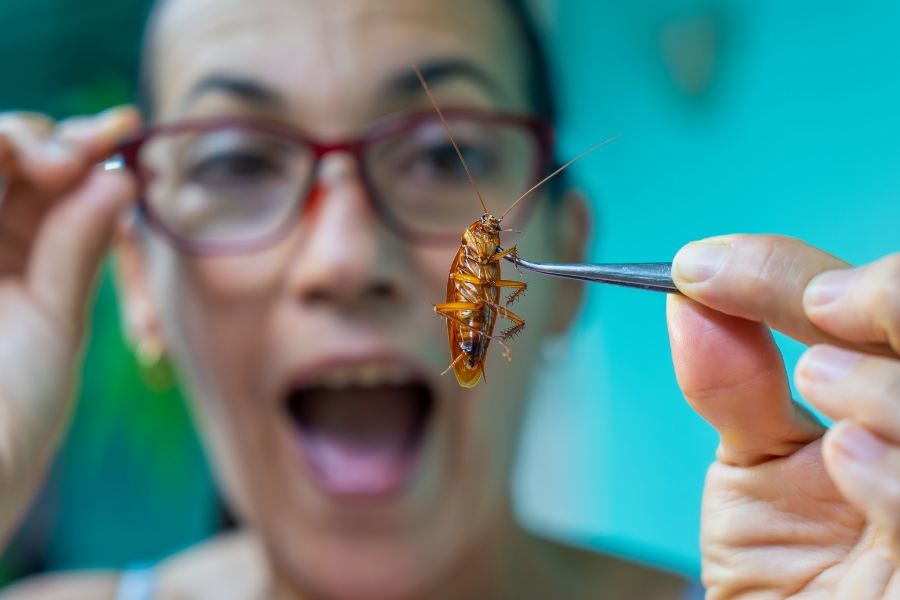
These insects are usually attracted to warmth and moisture, making kitchens and food storage areas their preferred spots. Below, we'll take a closer look at their eating habits and how to prevent them from becoming a pest in our homes.
What Do Cockroaches Eat?
Cockroaches have a broad and varied diet. They can eat everything from fresh food to decaying matter. As omnivores, their diet includes:
- Food scraps
- Sugar and sweet foods
- Grains and cereals
- Dairy products
- Decaying meat
Cockroaches' ability to survive in harsh conditions is remarkable. They can live for weeks without food, but they take every opportunity to eat.
Cockroaches are most attracted to foods that contain sugars and fats, which leads them to forage in kitchens and trash. Keeping these areas clean is essential to preventing them from showing up.
What Foods Attract Cockroaches to Your Home?
Identifying the foods that attract cockroaches is key to keeping them out of our homes. These insects are especially attracted to:
- Spoiled food
- Ripe or decaying fruit
- Food scraps on dishes or in the sink
- Uncovered stored grains
- Food debris on floors or furniture
Keeping the kitchen and food storage areas clean can greatly reduce the chance of attracting cockroaches. It's also a good idea to store food in sealed containers to make it harder for them to reach.
Products such as Zotal Letal Gel can also help attract and effectively eliminate them. These baits act as an attractant and a pest control agent at the same time.
What Are Cockroaches' Favorite Foods?
Cockroaches' food preferences vary by species. However, certain foods are particularly irresistible to them. Some of their favorites include:
- Sugars: candy, cakes, and sugary drinks.
- Fats: Oils and fried foods.
- Meat: Especially when it is decomposing.
- Starchy foods: Bread and cereal.
- Vegetables and fruit: Particularly when ripe or decomposing.
Their voracious appetites and ability to eat spoiled food contribute to their spread in homes and restaurants. That is why it is important to be mindful of food left exposed.
American cockroaches, in particular, are known for their resilience and adaptability, making them a difficult pest to control. Cleanliness is essential to keeping them away.
Where Can Cockroaches Find Their Favorite Food?
Cockroaches are experts at finding food because they have a keen sense of smell. They can locate their favorite foods in the most unexpected places, such as:
- In the kitchen, especially near garbage or under the sink.
- In poorly organized pantries or ones filled with spoiled products.
- In the trash, especially if it is not sealed properly.
- Under appliances, where crumbs and food residue can collect.
- In dark, damp spaces, such as basements or bathrooms.
The combination of warmth and decomposing food creates an ideal environment for cockroaches to thrive. That is why it is essential to pay attention to these factors if you want to avoid an infestation.
What Do Baby Cockroaches Eat?
Baby cockroaches, or nymphs, have feeding habits similar to those of adults. They mainly eat:
- Liquid foods: Such as leftover moist foods.
- Soft foods: Fruits and vegetables that are easier to eat.
- Organic matter: Decomposing material that provides essential nutrients for their growth.
It is essential to store food properly, since nymphs can access the same places as adults. Therefore, prevention is key from the start of the cockroach life cycle.
Like adults, nymphs can survive for long periods without food, making their presence even more harmful if they are allowed to multiply.
How to Prevent Cockroach Infestations
Preventing cockroach infestations starts with good household hygiene. Here are some effective strategies:
- Keep areas clean, especially the kitchen.
- Seal food properly in airtight containers.
- Take out the trash regularly and make sure garbage cans are closed.
- Fix water leaks, since cockroaches seek out damp environments.
- Place baits and traps in areas prone to infestations.
Putting these measures in place will not only help keep cockroaches away, but also contribute to a healthy, comfortable home. Regular cleaning is key to preventing them from multiplying.
In addition, specialized products such as Zotal Letal Gel can be a useful addition to pest control efforts. These products are designed to attract and kill cockroaches, helping keep your home free of infestations.
How Do Cockroaches Affect Your Health?
Cockroaches are more than just a nuisance; their presence can have serious health implications. They can spread disease through:
- Contamination of food and surfaces.
- Production of allergens that affect respiratory health.
- Transmission of pathogens that can cause gastrointestinal infections.
Cockroach droppings and saliva contain substances that can trigger allergic reactions in some people, especially children and people with asthma. Therefore, it is vital to take preventive and control measures.
A buildup of cockroaches can also contribute to poorer indoor air quality, which may lead to health problems. Keeping your home free of these pests is essential for maintaining a healthy environment.
Related Questions About What Cockroaches Eat
What Is a Cockroach’s Favorite Food?
Cockroaches’ favorite foods include sugars, fats, and decomposing meat. These ingredients are highly attractive to them and are commonly found in many homes.
What Attracts Cockroaches the Most?
Cockroaches are mainly attracted to decomposing food, food scraps, and sugary products. Warmth and humidity also play an important role in attracting them.
What Smells Do Cockroaches Hate?
Cockroaches tend to avoid strong scents such as mint, garlic, and bay leaves. Using essential oils with these scents may help keep them away.
How Many Days Does a Cockroach Live?
Cockroaches can live for three to six months, depending on environmental conditions. However, their ability to survive for long periods without food allows them to adapt easily.