Wasps are fascinating insects that play a crucial role in the ecosystem. Knowing what wasps eat is essential to understanding their behavior and how they interact with their surroundings. In this article, we’ll take a detailed look at wasps’ diet, feeding habits, and impact on the natural world.
Understanding what wasps eat can also help prevent unwanted encounters with these insects, especially during the warmer months. Join us as we explore more about these intriguing insects.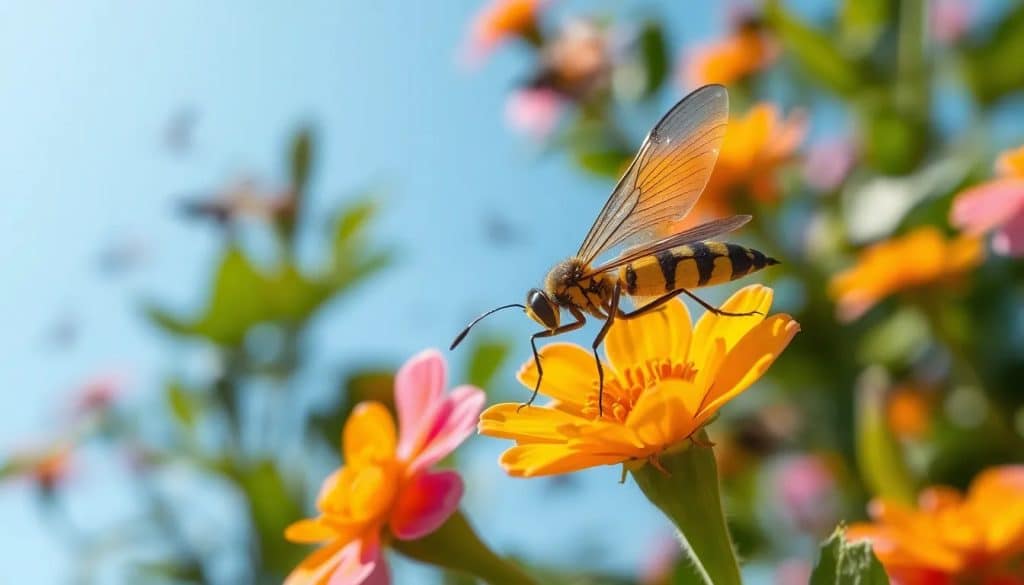
What kinds of food do wasps eat?
Wasps are omnivores, which means they can feed on a variety of food sources. Adult wasps tend to prefer nectar, fruit, and other sugars, while larvae need protein to develop. This varied diet allows them to adapt to different environments and conditions.
Nectar is an essential energy source for adult wasps, and many species visit flowers to collect it. However, their diet changes significantly when they are raising larvae. In that case, they feed on insects and other arthropods, which provide the protein their young need to grow.
- Flower nectar
- Ripe fruit
- Insects and larvae
- Sugars from decaying food
- Tree resins and sap
In addition to these foods, wasps are also scavengers, which means they may be attracted to decaying or spoiled food. This can lead to closer encounters with people, especially at picnics or in outdoor dining areas.
Where do wasps live?
Wasps are found in nearly every ecosystem around the world, from forests to urban areas. Their habitat depends largely on the species, but all wasps need an environment that provides food and shelter.
Some wasp species build nests in trees, shrubs, or even in the ground, while others may nest in human-made structures. This behavior affects their access to food and how they interact with other species, including humans.
Wasps also play an important role in pollination, making them valuable allies to plants. Their presence in gardens and crops can help increase fruit and vegetable production.
How do wasp species differ?
There are thousands of wasp species, each with specific characteristics in terms of diet and habitat. For example, paper wasps are known for building paper-like nests, while other species, such as hunting wasps, specialize in hunting other insects.
Dietary differences can be significant. Some wasps feed mainly on nectar and fruit, while others are voracious predators that hunt insects to feed their larvae. These dietary variations are related to each species’ adaptation and success in its specific environment.
Wasps can also differ in their feeding behavior. Some are more aggressive when protecting their food, while others are more tolerant, affecting how they interact with humans and other animals.
What do Asian wasps eat?
Asian wasps, particularly the Asian giant hornet, have a diet focused on hunting other insects. These wasps are predators and can be seen searching for bees and other insects to take back to their nests as food for their larvae.
In addition to hunting, they also eat nectar and fruit, although their need for protein is much greater, especially during the breeding season. This diet allows them to grow and reproduce efficiently in their habitat.
The diet of Asian wasps has raised concerns about their impact on bee populations, which in turn affects pollination and the ecosystem as a whole. This highlights the importance of understanding their feeding behavior and ecological role.
How do the seasons affect wasps’ diets?
Wasps’ diets vary significantly depending on the season. In spring and summer, wasps are more active and seek out nectar, fruit, and protein to support the development of their larvae.
In fall, many species begin preparing for winter. As temperatures drop and food becomes scarce, adult wasps may change their diets again, seeking out food sources richer in sugar. This may make them more aggressive while feeding as they try to build up reserves for winter.
In winter, most adult wasps die, and only fertilized queens survive by hibernating. During this time, wasps feed very little, as they are in a dormant state.
What Should You Do If You Get Stung by Wasps?
If you get stung by a wasp, it’s important to act quickly. The first step is to stay calm and move away from the area where the nest is located, since wasps can become aggressive if they feel threatened.
Applying ice to the affected area may help reduce swelling and relieve pain. If the sting becomes red or develops severe swelling, seek medical attention. In some cases, allergic reactions can be serious and require prompt treatment.
Be sure to carry an antihistamine or topical cream to relieve itching and discomfort. Learning more about what wasps eat can help you avoid unwanted encounters and minimize the risk of getting stung.
Frequently Asked Questions About What Wasps Eat
What Do Wasps Eat?
Wasps eat a variety of foods, including nectar, fruit, insects, and other sugars. This variety allows them to adapt to different environments and meet their nutritional needs, both as adults and as larvae.
Larvae eat a protein-rich diet, while adults primarily seek out sugars. This highlights the importance of knowing what wasps eat to understand their role in the ecosystem.
What Do Wasps Hate?
Wasps tend to avoid situations they perceive as threats. In general, they hate sudden movements and loud noises, which can scare them. Certain smells, such as those from some insecticides or insect repellents, may also deter them.
In addition, acting aggressively toward them can trigger defensive behavior, so it’s important to be cautious around wasps.
What Does It Mean to Have Wasps in Your House?
Having wasps in your house may indicate that there’s a nest nearby or that they’re looking for food. This can pose a risk, especially if someone in the household is allergic to stings.
It’s a good idea to maintain good hygiene and remove any food sources that could attract them, such as food scraps or exposed trash.
What Can I Feed a Wasp?
If you want to attract wasps safely, you can offer them a mixture of sugar and water. Ripe fruit is another good option, providing the sugars they seek. However, it’s essential to be cautious and avoid getting too close to them.
Keep in mind that while feeding wasps may seem harmless, it can also attract more wasps to your area, which could increase the risk of getting stung.