The Portuguese Podengo is an iconic dog breed from Portugal, known for its wide range of sizes and versatility. With a rich history dating back to the Phoenicians, this dog has been a loyal companion and an excellent hunter for centuries. In this article, we’ll explore the breed’s physical characteristics, temperament, and care needs.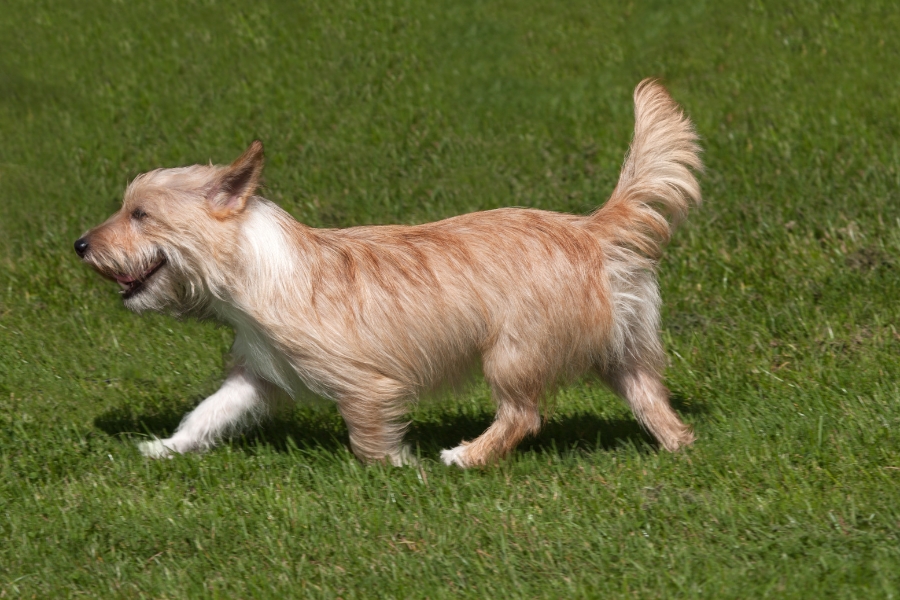
Portuguese Podengo Physical Characteristics
The Portuguese Podengo comes in three sizes: large, medium, and small. Each variety has its own measurements and characteristics, making the breed adaptable to a range of situations and environments.
- Large: Stands 55-70 cm tall and weighs 20 to 30 kg.
- Medium: Stands 40-54 cm tall and weighs 16 to 20 kg.
- Small: This variety stands 20 to 30 cm tall and weighs 4 to 6 kg.
This breed’s coat can be yellow, fawn, or black, and may be short or long, depending on the type. The Portuguese Podengo has an athletic, elegant body and large, triangular ears that give it a distinctive appearance. Its build is not only attractive but also functional, making it an excellent hunter.
What Is the Portuguese Podengo’s Temperament Like?
The Portuguese Podengo’s temperament is one of its most notable traits. These dogs are energetic, intelligent, and extremely loyal to their owners. However, they have a strong hunting instinct, which can make them active and sometimes independent.
These dogs are known for being loyal and protective, making them excellent family companions. They are generally friendly, although they may be reserved around strangers. Early socialization is essential to help them develop a balanced temperament.
The Portuguese Podengo is also quite adaptable and can live in different environments, provided it gets enough exercise and mental stimulation. These dogs enjoy human company and need attention and affection to thrive.
How Should You Care for a Portuguese Podengo?
Caring for a Portuguese Podengo is relatively straightforward, but there are several things to keep in mind to ensure its well-being. First, it’s important to provide daily exercise. These dogs have high energy levels and need an outlet for that energy. At least 1 to 2 hours of physical activity a day is recommended.
- Exercise: Walks, fetch, and activities that engage their hunting instinct.
- Socialization: Expose them to different environments, people, and other animals to help prevent behavioral problems.
- Veterinary care: Regular checkups and vaccinations are essential for maintaining their health.
- Grooming: Regular brushing helps keep their coat in good condition and free of tangles.
It’s also essential to pay attention to their diet. Proper nutrition will support not only their physical health but also their longevity. Make sure their diet is balanced and appropriate for their size and activity level.
Training and socialization are key to helping a Portuguese Podengo develop into a well-adjusted dog. Starting in puppyhood, it’s crucial to teach basic commands and set boundaries. This will make it easier to live together and strengthen the bond with their owner.
Socialization should be a priority. Exposing your Podengo to different situations, people, and other dogs will help them become well-adjusted adults. Remember, a well-socialized Podengo is a happier dog and less likely to develop unwanted behaviors.
Use positive training methods, such as rewarding them with treats and praise, to encourage learning. This will not only make the process more enjoyable for them but also strengthen the bond between the dog and its owner.
Portuguese Podengo Diet and Nutrition
Proper nutrition for the Portuguese Podengo is essential for its health and well-being. Choose a food suited to the dog’s size, age, and activity level. Active dogs need a diet rich in protein and nutrients.
It’s a good idea to divide daily portions into several meals to help prevent digestive problems. Make sure fresh, clean water is always available. Some owners also choose homemade food, but it’s essential to consult a veterinarian to ensure the dog gets all the nutrients it needs.
Is a Portuguese Podengo easy to keep at home?
Having a Portuguese Podengo at home can be a rewarding experience, but it also requires commitment. This breed is known for its energy and need for exercise, so it’s important to be prepared to devote time to its physical and emotional needs.
Their friendly, loyal nature makes them excellent companions for families. However, their hunting instinct can be challenging, especially if there are other small animals in the household. Supervision and socialization are crucial for creating a harmonious home.
Daily care—including exercise, nutrition, grooming, and socialization—is essential to ensure that a Portuguese Podengo is happy and healthy at home. With the right commitment, this breed can be a wonderful addition to any family.
Common Portuguese Podengo Health Problems
The Portuguese Podengo is generally a hardy, healthy breed, but like all dogs, it can be prone to certain health problems. It’s important to monitor your dog’s health and schedule regular veterinary checkups.
- Hip dysplasia: This condition affects the hip joint, causing pain and difficulty moving.
- Eye problems: Some eye conditions may be hereditary in this breed.
- Heart disease: Although uncommon, it can occur in some cases.
Prevention is key. A nutritious diet, regular exercise, and veterinary checkups can help detect problems before they become serious. Good veterinary care helps ensure your Portuguese Podengo has a long, healthy life.
Related Questions About the Portuguese Podengo’s Temperament and Care
What is the Portuguese Podengo’s temperament like?
Portuguese Podengos are generally friendly and energetic. They are loyal dogs that need companionship and socialization. Their hunting instinct can make them somewhat independent, but with proper training, they can adapt very well to family life.
What are Podengos’ temperaments like?
Podengos are known for being intelligent and energetic. They are loyal, protective dogs, but can also be somewhat reserved around strangers. Their active nature calls for regular interaction and mental stimulation.
What’s it like to have a Podengo at home?
Having a Podengo at home can be a wonderful experience if you’re prepared for its energy. These dogs are very social and enjoy human company, but they also need exercise and socialization to help prevent behavioral problems.
Are Andalusian Hounds Aggressive?
Podengos are not inherently aggressive, but their hunting instinct can lead to unwanted behaviors if they are not properly socialized. It’s important to train and socialize them from an early age to help them behave appropriately in different situations.