Originating in Turkey, the Kangal dog is one of the most imposing and fascinating dog breeds. Known for their strength and independent temperament, these dogs have earned a reputation as exceptional livestock guardians, protecting sheep from potential threats. The breed stands out not only for its working ability but also for its loyalty to its owners.
Kangal Dog Breed: Characteristics, Temperament, and Care
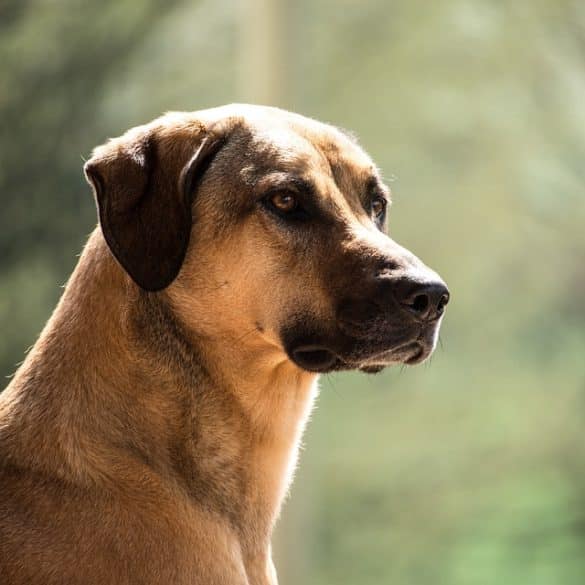
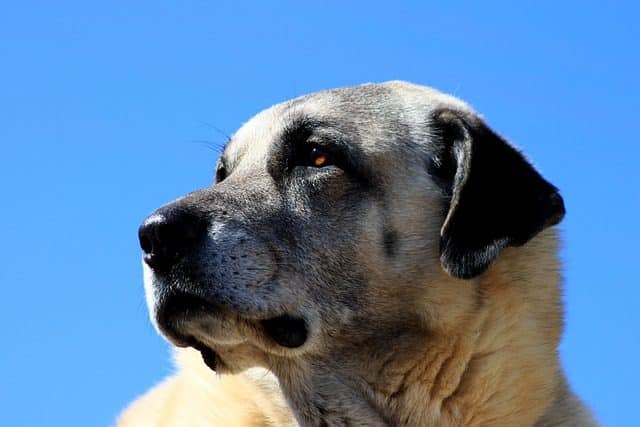
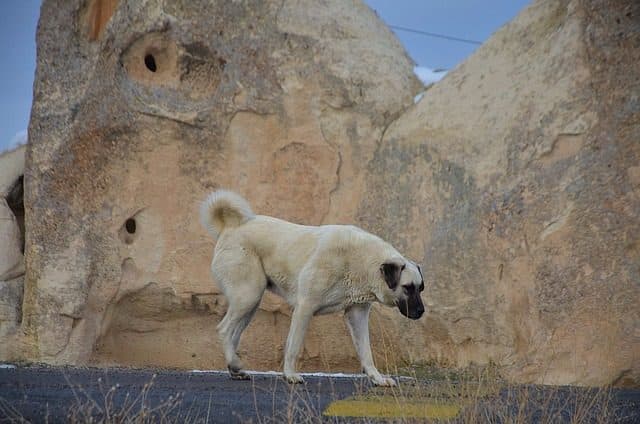
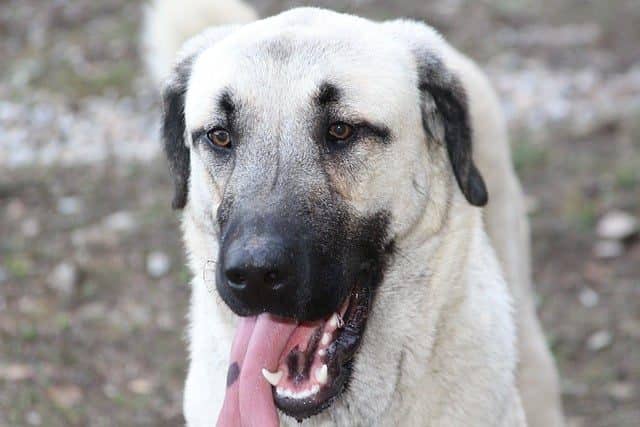
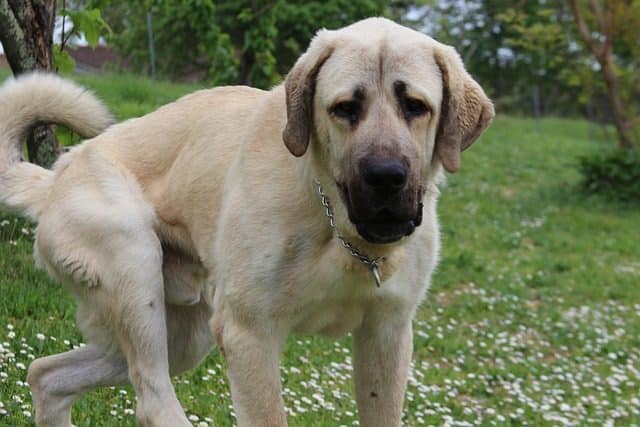
The Kangal dog stands out for its imposing presence. Weighing between 40 and 60 kg and reaching up to 78 cm in height, Kangals are strong, sturdy, and well-balanced dogs. Their coat is short and dense, usually cream or golden, with a distinctive black mask covering the face. Beyond their appearance, what truly makes them unique is their protective nature and intelligence.
In temperament, these dogs are serious and reserved, especially around strangers, while showing complete loyalty and affection toward their family. Although they are loving with those close to them, proper training is essential for their well-being and that of the people around them. This is especially important because their protective instinct can make them overprotective if they are not guided appropriately.
Caring for the Turkish Kangal is not overly complicated, but it does require commitment. These dogs need regular exercise to channel their energy and maintain their physical health, as well as a balanced diet to support their large size. Their coat also needs regular brushing to keep it free of tangles and dirt.
Where Does the Kangal Breed Come From?
The Kangal’s history dates back to the Sivas region of Turkey, where these dogs were originally bred to herd and guard livestock. Their ability to detect and drive away predators made them valuable companions to Turkish farmers and shepherds. This protective role is an integral part of the Kangal’s identity and has been preserved for centuries.
The breed’s name comes from the Kangal district in Sivas, and its popularity has grown worldwide because of its impressive defensive and protective abilities. Despite its growing popularity, the breed remains a symbol of pride and cultural heritage in Turkey.
What Are the Kangal’s Physical Characteristics?
The Kangal’s impressive physical characteristics reflect its original role as a protector. These dogs have a solid bone structure and powerful muscles, which allow them to face much larger predators. Their ears are medium-sized, triangular, and floppy, and their tail is long and curved.
Their coat provides an extra barrier against extreme weather, offering protection from both cold and heat. The Kangal’s eyes are small in proportion to its head, giving it a piercing, alert gaze. Without a doubt, the Kangal is a breed built for guarding and protection.
What Is the Kangal’s Temperament Like?
The Kangal’s temperament is one of its most notable traits. Despite their size, these dogs are known for being calm and composed. Their protective instinct is strong, but without proper socialization and training, they can become overly protective. For this reason, they are best suited to experienced owners who can guide them with firmness and affection.
Although they may be wary of strangers, once a Kangal accepts someone, it forms a very strong bond with them. These dogs are intelligent and capable of making decisions independently, which makes them excellent guard dogs but also means they need clear, consistent guidance in their training.
What Care Does a Kangal Dog Need?
Caring for a Kangal is essential to its health and happiness. Because of their size and activity level, these dogs need enough room to move around, preferably with access to a secure outdoor area. Their diet should be suited to their age, weight, and activity level, with a balance of protein, fat, and carbohydrates.
In addition to a proper diet, daily exercise is crucial. This can include long walks, runs, and even agility games. Socialization is also an essential part of their care and can help prevent territorial or aggressive behavior.
In terms of health, the Kangal is generally robust, but like many large breeds, it may be prone to hip dysplasia. Regular veterinary checkups and keeping vaccinations and deworming up to date are therefore important.
What Are the Kangal’s Main Health Problems?
Health problems are comparatively less common in Kangals than in other large breeds, but they are still predisposed to certain conditions. Hip dysplasia and elbow dysplasia are the most common, particularly because of their rapid growth during the first few months of life.
Other conditions that may affect this breed include thyroid and heart problems. Because of their dense coat, Kangals may suffer heatstroke in warmer climates if they are not provided with enough shade and fresh water. That is why preventive veterinary care and awareness of their health are essential for Kangal owners.
Is the Kangal a Good Choice for Families?
Despite its size and strength, the Kangal’s temperament can make it a good family companion. However, it is important for family members to take part in training and establish clear, consistent rules from an early age. Early socialization with children and other animals is crucial to ensure a harmonious household.
Kangals are naturally protective, which can make them exceptional household guardians. However, this instinct also means they may be wary of visitors and unfamiliar situations, so proper, supervised introductions are essential.
Frequently Asked Questions About the Kangal Dog
How Long Do Turkish Kangal Dogs Live?
The Turkish Kangal dog has a life expectancy of approximately 12 to 15 years, although this can vary depending on factors such as genetics, care, and overall health. With proper nutrition and regular veterinary care, these dogs can enjoy a long, healthy life.
Are Kangal Dogs Safe to Own?
Owning a Kangal can be safe as long as certain conditions are met. Proper education and training, as well as early socialization, are essential. Owners should provide firm, consistent leadership to ensure the Kangal understands its place in the family and society.
Are Kangals Good with Children?
Kangals generally get along well with children, especially if they have been raised with them from puppyhood. They are protective and patient, but because of their size, it is always recommended to supervise interactions with young children to prevent accidental injuries.
What Dog Is Stronger Than the Turkish Kangal?
When it comes to strength, it is difficult to determine which dog is “stronger” than the Turkish Kangal, since this can vary depending on the context—whether physical strength, endurance, or protective abilities are being considered. Breeds such as the Tibetan Mastiff and Caucasian Shepherd are known for their size and strength, which are comparable to the Kangal’s.
To learn even more about this impressive breed, here is a video showing Kangals in action:
All in all, the Kangal is more than just a dog; it is a source of companionship, protection, and pride. Its presence is undeniable, and its devotion to its family and its duty is unmatched. With proper care and training, Kangals can be a wonderful and safe addition to the right home.