The Dogue de Bordeaux is a dog breed known for its strength, loyalty, and imposing presence. These French mastiffs have a rich history and a temperament that makes them ideal companions for people who understand the needs of such a special breed.
Dogue de Bordeaux Traits and Temperament
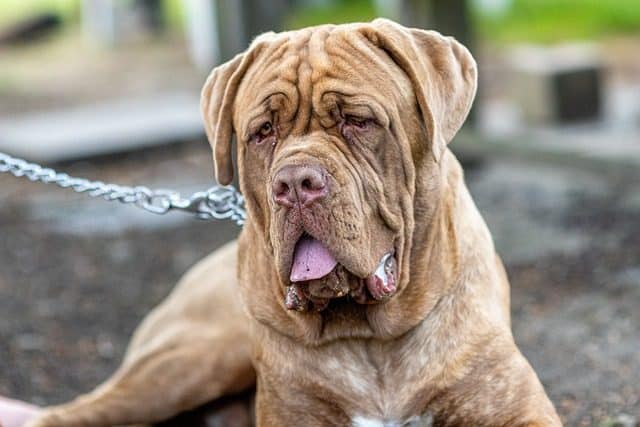
With an imposing presence, the Dogue de Bordeaux is a large dog with a muscular body and a massive head. Its short, fine coat ranges in color from mahogany to red, and its expression reflects the breed's dignity and calm nature.
Its temperament is balanced and calm, although it is always alert. It is protective of its family, yet affectionate and patient, especially with children. Early socialization is essential to encourage appropriate behavior around other animals and strangers.
The Dogue de Bordeaux's intelligence and sensitivity make it receptive to training, as long as it is carried out with firmness, patience, and plenty of positive reinforcement. Given its size and strength, control and discipline are key from an early age.
Also known as the French Mastiff, this breed needs to be an integrated part of family life, where it can feel like part of the pack and have its rest periods respected, since it does not enjoy constant activity.
Dogue de Bordeaux Origins: History and Background
With a history dating back several centuries in France, the Dogue de Bordeaux is one of the world's oldest mastiff breeds. Its origins are associated with the Bullmastiff and the old French Bulldog, and it was used both to hunt large animals and to protect homes and livestock.
In the 19th century, the breed nearly disappeared after the French Revolution because of its association with the aristocracy. However, thanks to the interest of enthusiastic breeders, the Dogue de Bordeaux was saved from extinction and has grown in popularity.
The breed was officially recognized in France in 1926 and, despite its past as a fighting dog, it is now valued for its loyalty and calm demeanor.

The Dogue de Bordeaux's international recognition has grown over time. Although it is not one of the most common breeds, it has won a place in the hearts of people who love large dogs with noble temperaments.
Essential Care for the Dogue de Bordeaux
Caring for the Dogue de Bordeaux's coat is relatively simple; regular brushing is enough to keep it clean and reduce shedding. However, because of its facial folds, it is important to clean and dry these areas thoroughly to prevent infections.
The ears and eyes also need special attention to help prevent health problems. Like all large breeds, the Dogue de Bordeaux needs a comfortable, spacious place to rest without putting strain on its joints.
It is important to monitor its weight and physical condition, as excess weight can cause additional health problems, especially affecting the joints and heart. Regular veterinary visits are essential for keeping the Dogue de Bordeaux in optimal condition.
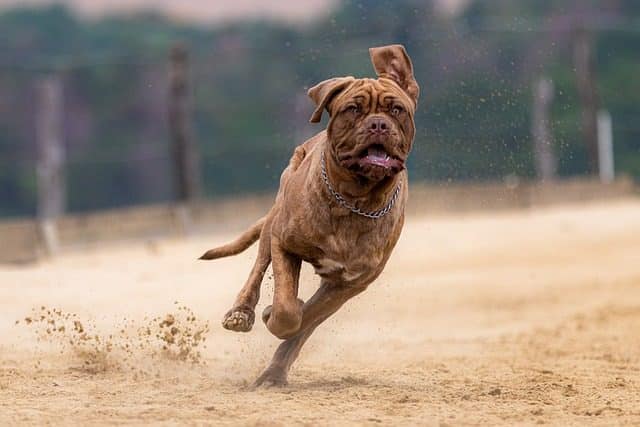
Exercise should be moderate; daily walks and the opportunity to play freely in a safe area are enough to keep it fit. Overexertion, especially in hot weather, should be avoided because the breed is prone to respiratory problems.
Dogue de Bordeaux Nutrition: What You Need to Know
The Dogue de Bordeaux's diet should be balanced and appropriate for its size and age. A protein-rich diet with the right number of calories will help maintain muscle mass and prevent excess weight.
Choosing high-quality food is essential, and in some cases, supplements may be needed to support proper nutrient absorption and joint health.
Portion control and consistent feeding times support good digestion and help prevent gastric dilatation, a serious condition that can affect large dogs such as the Dogue de Bordeaux.
It is recommended that you consult a veterinarian to tailor the diet to each dog's specific needs, especially if food allergies or sensitivities are present.
Exercise and Socialization for the Dogue de Bordeaux
Exercise is essential for keeping the Dogue de Bordeaux in good physical and mental condition. However, it should be adapted to the dog's abilities and stamina, avoiding excess to protect its health.
Early socialization and positive training are key to balanced development. Exposure to different people, animals, and environments will help the Dogue de Bordeaux develop a friendly disposition and confidence.
Brain games and obedience training are excellent ways to stimulate the dog's mind and strengthen the bond with its owner.
Patience is essential, as the Dogue de Bordeaux can be stubborn. Positive reinforcement and a consistent exercise routine are recommended to encourage good behavior.
Common Health Risks in the Dogue de Bordeaux
As a brachycephalic breed, the Dogue de Bordeaux may experience breathing problems, especially when stressed or in hot weather. Watch for any signs of difficulty breathing and provide a cool, well-ventilated environment.

Heart disease and hip and elbow dysplasia are other conditions commonly seen in this breed. Preventive care, including a proper diet and controlled exercise, can help reduce these risks.
Bloat, or gastric dilatation, is a serious risk that can be fatal. Owners should know the symptoms and act quickly if any signs appear.
Regular veterinary checkups and attention to any changes in behavior or appetite are essential for detecting illness early and maintaining good health.
Frequently Asked Questions About the Dogue de Bordeaux
What Type of Dog Is the Dogue de Bordeaux?
The Dogue de Bordeaux is a Mastiff-type dog, classified as a giant breed. It is known for its strength and loyal, protective temperament.
Its historic role as a guard dog and hunter gave it a natural protective instinct, making it an excellent family dog when properly socialized.
How Long Do Dogue de Bordeaux Dogs Live?
The Dogue de Bordeaux has a lifespan of 5 to 8 years, which is common for large breeds. A balanced diet, proper veterinary care, and a healthy lifestyle can help support a longer, fuller life.
Because of their potential health problems, owners should be prepared to provide attentive care throughout their dog's life.

How Intelligent Is the Dogue de Bordeaux?
The Dogue de Bordeaux is known for its intelligence and sensitivity. Although it can be stubborn at times, it responds well to positive reinforcement training and activities that challenge its mind.
Mental stimulation is just as important as physical exercise for keeping this dog well-balanced and happy.
What Do Dogue de Bordeaux Dogs Eat?
The Dogue de Bordeaux should eat food formulated for large breeds, with plenty of protein and the right number of calories to maintain muscle mass and prevent excess weight gain.
Giant-breed diets that contain ingredients to support joint health may benefit this breed, but veterinary guidance is always recommended when making dietary changes.
To learn more about this impressive breed's care and everyday life, here's a video highlighting the majesty and unique characteristics of the Dogue de Bordeaux:
The Dogue de Bordeaux is undoubtedly a captivating breed for those seeking an imposing, loyal companion with a huge heart. Their care is straightforward, although they need specific attention because of their size and distinctive characteristics. With the right commitment, the Dogue de Bordeaux can be the perfect protector and friend for the right family.