The Doberman Pinscher is one of the breeds most admired for its elegance and loyalty. Originally from Germany, this dog is known as an excellent companion and guardian. Its history, characteristics, and care are all important considerations for prospective owners.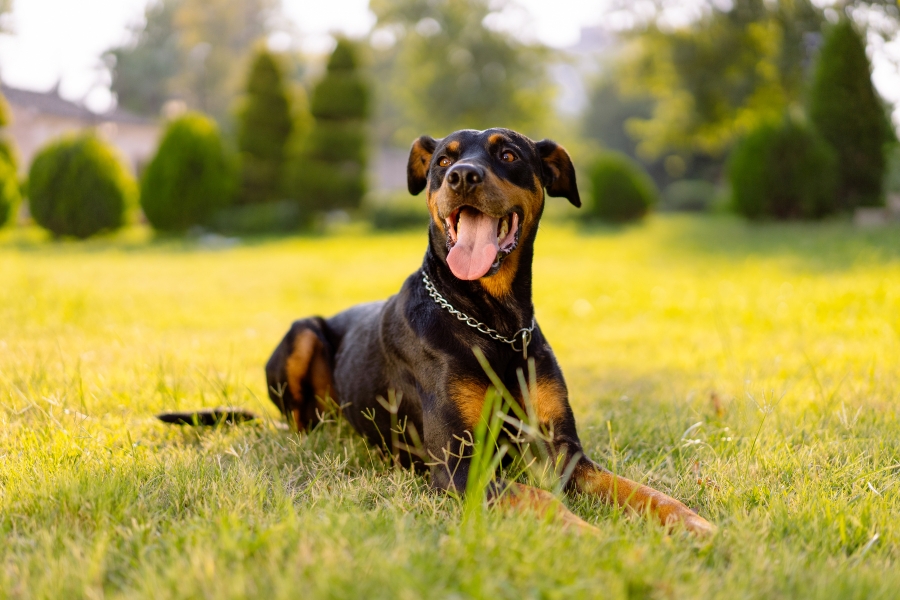
Next, we’ll explore the different facets of this fascinating breed, from its physical appearance to its care and training needs. If you’re thinking about welcoming a Doberman into your home, this guide will be helpful.
What Is a Doberman Pinscher?
The Doberman Pinscher, developed in the 19th century by Friederich Louis Dobermann, is a working dog that combines agility, strength, and exceptional intelligence. It is often associated with guarding because of its protective and loyal nature. The breed has evolved, but its original purpose remains relevant today.
The Doberman is a muscular, agile dog known for its elegance and distinguished bearing. Its balanced temperament and ability to learn quickly make it well suited to a variety of roles, from family companion to service dog.
In terms of personality, the Doberman Pinscher is known for its loyalty and affection for its family, as well as its willingness to protect those it loves. This makes it a popular choice for many families.
What Are the Physical Characteristics of the Doberman Pinscher?
The Doberman Pinscher has several distinctive physical characteristics, including:
- Size: Dobermans typically weigh between 27 and 45 kg and stand 60 to 70 cm tall.
- Coat: They have a short, dense, glossy coat that can be black, brown, blue, or gray.
- Facial features: Their head is rectangular, with a strong jaw and ears that naturally hang down, although they may be cropped.
- Tail: Traditionally, the tail is docked, although this varies according to local regulations.
The Doberman’s appearance, combined with its strength and agility, makes it an impressive dog. Its coat is not only attractive but also easy to care for, making the breed low-maintenance in that regard.
What Is the Doberman Pinscher’s Temperament Like?
The Doberman Pinscher’s temperament is one of its most notable traits. This dog is known for being:
- Loyal: Dobermans are deeply loyal to their owners and form strong bonds with their families.
- Intelligent: Their high intelligence makes them easy to train, but they also need mental stimulation.
- Protective: They have a natural protective instinct, which makes them excellent guard dogs.
- Energetic: They need daily exercise to burn off energy and maintain balanced behavior.
However, as with all dogs, a Doberman’s temperament can vary depending on its upbringing and socialization. It is therefore essential to provide a positive, stimulating environment to help the dog develop well.
What Care Does a Doberman Pinscher Need?
Caring for a Doberman Pinscher involves several important considerations. Here are a few key tips:
- Exercise: They need at least 1 hour of exercise each day. Walks, play, and agility activities are essential for maintaining their physical and mental health.
- Diet: A balanced diet suited to their age and size is essential for their health. Consult your veterinarian to determine the best option.
- Grooming: Its short coat needs regular brushing, especially during shedding season.
- Health: Regular veterinary checkups are crucial for preventing common health problems in the breed.
Remember that the Doberman Pinscher is a very active dog, so a sedentary lifestyle is not suitable for this breed. Keeping your dog active and mentally stimulated is key to their well-being.
How Do You Train a Doberman Pinscher?
Training a Doberman Pinscher takes patience and consistency. Here are some helpful tips for effective training:
- Positive reinforcement: Use positive reinforcement, such as treats and praise, to motivate your dog during training.
- Socialization: Exposing your Doberman to different people, places, and other animals is essential to help prevent fearful or aggressive behavior.
- Set boundaries: It’s important to establish clear, consistent rules so your dog knows what’s expected of them.
- Obedience classes: Consider enrolling your dog in obedience classes to improve their skills and support socialization.
With the right approach, you’ll have not only a well-trained dog but also a loyal, well-balanced companion. Training a Doberman Pinscher is an investment worth making.
What Are the Most Common Health Problems in Doberman Pinschers?
Like all breeds, Doberman Pinschers may be prone to certain health problems. Some of the most common include:
- Dilated cardiomyopathy: A heart condition that affects the heart’s ability to pump blood efficiently.
- Elbow and hip dysplasia: These conditions can cause pain and mobility problems in dogs.
- Skin problems: Doberman Pinschers may be susceptible to allergies and other skin conditions.
- Hypothyroidism: This condition can affect metabolism and energy levels.
Regular veterinary checkups and watching for any signs of illness are essential. Proper care can help minimize health risks for your Doberman.
Where Can You Adopt a Doberman?
Adopting a Doberman is a wonderful, responsible choice. Here are a few places to look:
- Local shelters: Visit animal shelters in your area that may have Dobermans available for adoption.
- Rescue groups: Organizations that specialize in rehoming Dobermans can help you find a dog who’s a good fit for your family.
- Online adoption platforms: Websites that connect prospective adopters with dogs in need are another good option.
Adopting a Doberman gives a dog a second chance and can also be a rewarding experience for you and your family.
Frequently Asked Questions About Doberman Pinschers
Is a Doberman a Good Dog to Have at Home?
Having a Doberman at home can be a very positive experience, as long as the dog receives proper training, exercise, and socialization. Dobermans are very loyal and protective dogs who make excellent companions. However, it’s important to consider their need for physical and mental activity, as well as their tendency to protect their surroundings. With proper handling, Dobermans can be a wonderful addition to any home.
What Are the Negative Traits of Dobermans?
Although Doberman Pinschers have many positive qualities, there are also some potential drawbacks to consider. They may be dominant if not trained properly, which can lead to behavioral problems. Their protective instinct may also make them wary of strangers. A lack of socialization can make them more prone to anxiety or aggression. With proper training, these issues can be mitigated.
What Are Doberman Pinschers Like?
Doberman Pinschers are known for their intelligence, energy, and loyalty. They need attention and exercise, but in return, they form close bonds with their owners. They are highly attuned to human emotions and quick to learn. Their temperament varies, but they are generally friendly and protective, making them a good fit for active families.
What Are the Pros and Cons of a Doberman?
The advantages of owning a Doberman include intelligence, loyalty, and trainability. These very active dogs can adapt to different lifestyles as long as they get enough exercise. On the other hand, they need proper socialization from an early age and may become dominant if they don’t receive appropriate training. Despite these challenges, a Doberman can be an exceptional companion for the right owner.