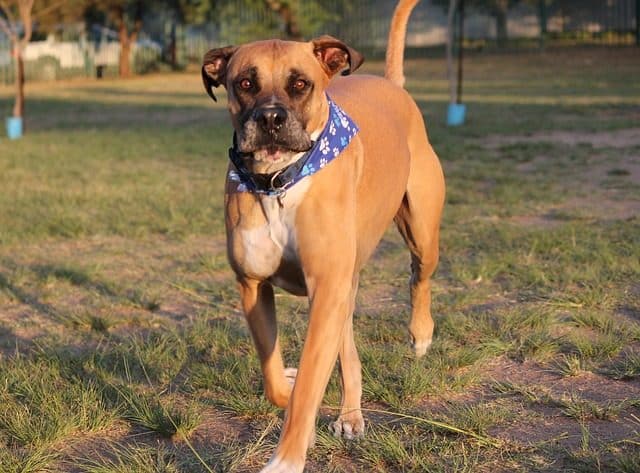
The Bullmastiff is a dog breed that combines strength, loyalty, and an imposing presence. Originally from Great Britain, these dogs were used to guard properties against poachers. Today, they have earned a special place as family pets, valued for their protective nature and calm demeanor.
Bullmastiff Characteristics and Temperament
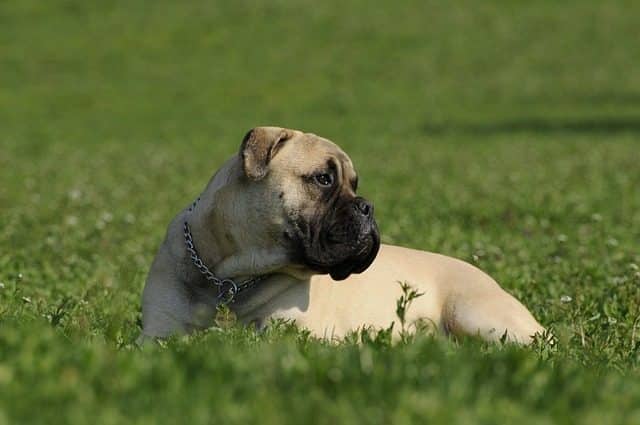
Bullmastiffs are known for their powerful build, with males weighing between 50 and 59 kg. Their short coat ranges in color from fawn to brindle, giving them a noble, majestic appearance. They have a balanced temperament and are devoted to their family, making them a good fit for people experienced with large dogs.
These dogs are generally calm and affectionate with their loved ones. Although naturally protective, they need early socialization to help them adapt and prevent aggressive behavior toward strangers.
The Bullmastiff's intelligence makes it a dog that is quick to learn, but it also needs clear, consistent rules from puppyhood. Training should be firm, but always respectful and based on positive reinforcement.
Because of their size, they can be a little awkward in small spaces, but that doesn't prevent them from adapting to apartment life as long as they get enough exercise every day to stay healthy and well-balanced.
Are Bullmastiffs Good for Families With Children?
The Bullmastiff can be an excellent companion for families with children because of its patient, protective nature. However, it's crucial to teach children to respect the dog and interact with it appropriately, avoiding rough play that could make the dog uncomfortable or cause accidents because of its large size.
It's also important to supervise interactions between the dog and young children. Despite the breed's good nature, adult supervision helps ensure that interactions are safe and positive for everyone.
In addition, training and socializing a Bullmastiff from puppyhood are essential to help ensure its behavior is appropriate and friendly, both inside and outside the family home.

Bullmastiff Care
- Regular exercise is essential to prevent weight gain and support both physical and mental health. Daily exercise for Bullmastiffs should be moderate, avoiding excessive exertion that could damage their joints.
- Weekly grooming is enough to keep their coat in good condition. Pay attention to cleaning their ears and facial folds to help prevent infections.
- It's important to pay attention to their diet, providing appropriate food for a Bullmastiff that is balanced and tailored to their specific nutritional needs.
What Is the Best Diet for a Bullmastiff?
A Bullmastiff's diet should be carefully balanced to meet its nutritional needs and prevent excess weight. A high-protein, low-fat diet can help maintain muscle mass without adding extra pounds.
Because they are prone to health problems such as gastric torsion, it's advisable to feed them several small meals a day rather than one large meal to help prevent this and other conditions.
Consulting a veterinarian for recommendations about an appropriate diet is the best way to ensure that a Bullmastiff gets the nutrients it needs for its lifestyle and life stage.
Bullmastiff Origins and History
The Bullmastiff's history dates back to 19th-century Great Britain, where the breed was developed by crossing Bulldogs and Mastiffs. Its original purpose was to guard the nobility's properties against poachers.
These dogs were valued for their courage and ability to work quietly, traits that are still evident in the breed today. The American Kennel Club officially recognized the breed in 1933, securing its place among dog breeds recognized around the world.
Common Health Problems in Bullmastiffs
Like many large breeds, Bullmastiffs are prone to certain health conditions. Hip dysplasia is a common concern, as are heart disease and eye disorders.
Regular veterinary checkups are essential, along with ongoing health monitoring through periodic tests and exams, especially as dogs get older.
A proper diet and weight management are essential for preventing joint problems and other conditions associated with excess weight.
How Is a Bullmastiff Trained?
Bullmastiff training should focus on positive reinforcement, avoiding punitive methods that could harm the relationship between the dog and its owner. These dogs respond well to rewards and praise, making reward-based training particularly effective.
It's important to start training at an early age and be consistent during training sessions. Bullmastiffs are intelligent and can learn basic commands and complex behaviors when trained properly.
Effective Bullmastiff training also includes socialization with other people and pets to help them adapt to different environments and situations.
A variety of content and relevant information are essential to fully understand the Bullmastiff breed. Bullmastiff dog breed: everything you need to know. Next, here's a video that will tell us more about these magnificent dogs.
Frequently Asked Questions About the Bullmastiff
Are Bullmastiffs Good Pets?
Bullmastiffs can make excellent pets for the right family. They are loyal and affectionate, and can be protective without becoming aggressive when properly socialized and trained as puppies.

Although their size can be intimidating, they are generally calm and get along well with children and other family members when raised in a loving environment with clear boundaries.
What Are Bullmastiffs Known For?
Bullmastiffs are known for their history as guard dogs and their imposing physical presence. Their loyalty and courage once made them indispensable for protecting property, and these qualities are still valued by people looking for a companion dog with protective instincts.
What Does Bullmastiff Mean?
The term “Bullmastiff” refers to a dog breed that originated from crossing Bulldogs and Mastiffs in England. The name combines the words “Bulldog” and “Mastiff” to reflect the breed's genetic heritage and characteristics.
What Are Bullmastiffs Like?
Bullmastiffs are large, strong, muscular dogs known for their even temperament and protective nature. They are calm and affectionate with their families, but reserved with strangers. They need early socialization and firm training to behave as well as possible in a variety of situations.
Despite their size, they can usually adapt to life in both spacious homes and apartments, as long as they get the exercise and mental stimulation they need.