The Australian Shepherd, known internationally as the Australian Shepherd, is a dog breed that has captured the attention of animal lovers around the world. Its versatility and energy make it an ideal companion for people with an active, outdoor lifestyle.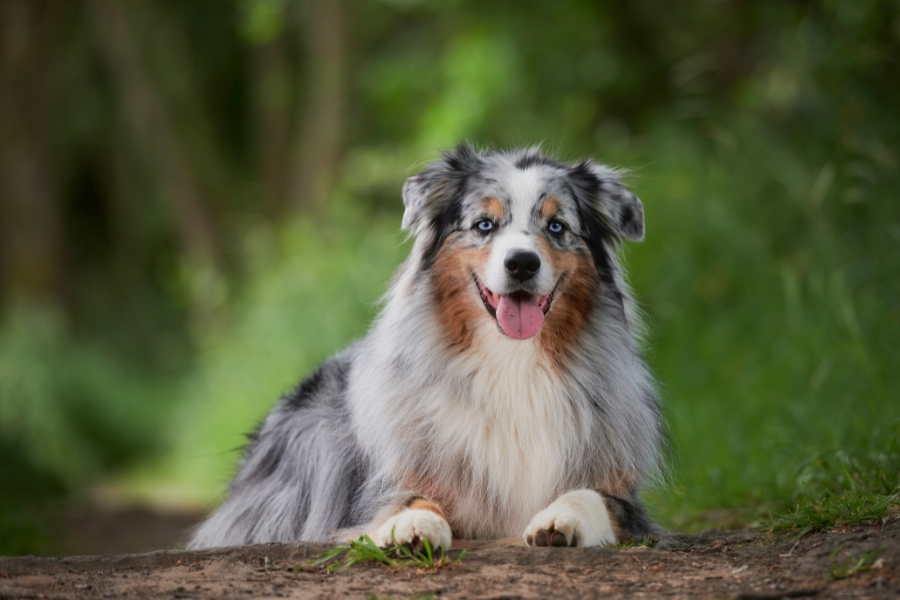
Next, we'll take an in-depth look at this fascinating breed's origins, characteristics, temperament, and care needs.
What Is an Australian Shepherd?
The Australian Shepherd is an exceptional working dog, famous for its herding ability. Although its name suggests an Australian origin, the breed was actually developed in the United States from herding dogs brought by European immigrants in the 19th century. The breed is known for its intelligence, energy, and eagerness to please its owners.
The breed began to grow in popularity in the western United States after World War II, where it excelled in working dog demonstrations and agility competitions. The Australian Shepherd is a medium-sized dog that combines strength and agility, making it well suited to work and dog sports.
Where Did the Australian Shepherd Originate?
The origins of the Australian Shepherd are a subject of debate. The breed is believed to have been developed in the United States, but its lineage includes herding dogs brought from Europe, especially Spain. These dogs were used by immigrants who needed an effective companion for herding sheep in various regions.
As the breed was refined, it became associated with rodeo competitions in the western United States in the 1900s. Their intelligence and livestock-handling skills helped them stand out in these competitions, increasing their popularity.
What Are the Australian Shepherd's Physical Characteristics?
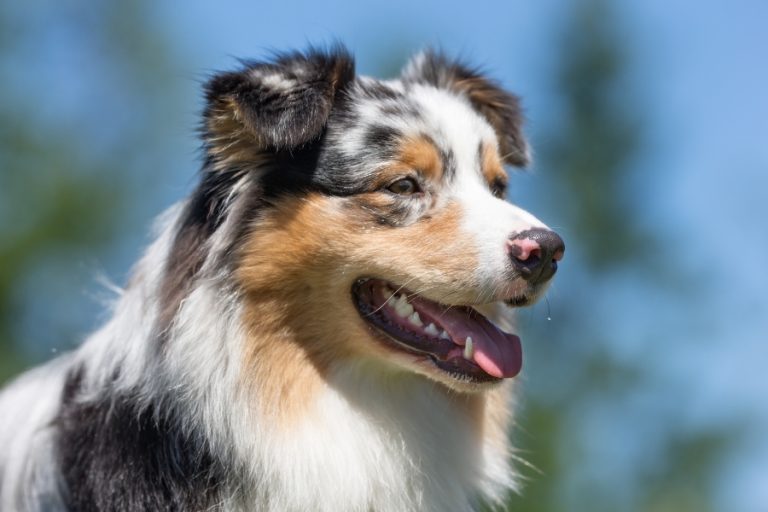
The Australian Shepherd has a distinctive appearance that makes it easy to recognize. Some of its most notable physical characteristics include:
- Size: Height ranges from 46 to 58 cm at the withers.
- Weight: They weigh between 14 and 32 kg, depending on their breeding line.
- Coat: Their coat can be straight or wavy and comes in a variety of colors, including merle, black, and red.
- Eyes: Their eyes can be different colors, including one of each color, giving them a unique appearance.
- Tail: Some dogs of this breed are born without a tail, while others have long tails that may be docked in some regions.
These physical characteristics are not only attractive but also reflect the breed's function as a working dog.
What Is the Australian Shepherd's Temperament?
The Australian Shepherd's temperament is one of its most notable traits. These dogs are extremely loyal and protective of their families. Their temperament is characterized by being:
- Intelligent: They learn quickly and respond well to training.
- Energetic: They need daily exercise to stay happy and healthy.
- Sociable: They enjoy the company of people and other animals.
- Alert: They make excellent watchdogs and are always attentive to their surroundings.
However, their intelligence can also lead to behavioral problems if they don't receive adequate stimulation. Proper socialization from puppyhood is crucial for developing a well-balanced temperament.
What care does an Australian Shepherd need?
Australian Shepherds need specific care to support their physical and emotional well-being. Here are some essential guidelines:
- Grooming: Brush their coat regularly to prevent tangles and manage shedding.
- Exercise: They need at least 1-2 hours of exercise each day, which can include walks, play, and training.
- Training: It's essential to start training at an early age. Using positive methods helps ensure effective learning.
- Socialization: Exposing them to different situations and other dogs is key to preventing behavioral problems as adults.
Proper care not only improves their quality of life but also strengthens the bond between the dog and their owner.
What should an Australian Shepherd eat?
An Australian Shepherd's diet should be balanced and suited to their activity level. Here are some important things to consider:
- High-quality food: Choose a high-quality commercial food that contains adequate protein and essential nutrients.
- Portion control: Adjust portions based on their daily activity and weight to help prevent obesity.
- Fresh water: Make sure they always have access to clean, fresh water.
A proper diet is essential for maintaining their energy and overall health.
What is the health of Australian Shepherds like?
Australian Shepherds are generally a healthy breed, but like any dog, they can be prone to certain health problems. Some of the most common include:
- Hip dysplasia: A common problem that can affect their mobility as they age.
- Eye problems: Some may be prone to hereditary eye diseases, such as progressive retinal atrophy.
- Epilepsy: Although uncommon, some dogs may develop epilepsy as adults.
It's important to schedule regular veterinary checkups and keep their vaccinations and parasite prevention up to date.
Frequently asked questions about Australian Shepherds
How was the Australian Shepherd breed developed?
The Australian Shepherd was developed to meet the needs of immigrants looking for a dog to help herd sheep. European dogs were crossed with native working dogs that had arrived in America. Over decades of selective breeding, intelligence and the ability to work in the field were emphasized.
How did the Australian Shepherd come about?
The breed began gaining recognition in the late 19th century, when it was used on the vast expanses of land in the American West. Over time, its herding skills and sociable nature made it popular in dog competitions, where it showcased its agility and skill.
Are Australian Shepherds born without tails?
Not all Australian Shepherds are born without tails. Some have short tails, while others have long ones, depending on their genetics. However, many have naturally short tails, which has led to the perception that the breed is naturally tailless.
What is an Australian Shepherd's temperament like?
Australian Shepherds are energetic and affectionate. They enjoy working as well as spending time with their owners. Their loyal, protective nature makes them excellent companions and family guardians. However, they need proper socialization and training, as they may develop unwanted behaviors if they don't receive the attention they need.