The Leonese Shepherd, or Carea Leonés, is a dog breed native to Spain, specifically the region of Castile and León. With its distinctive coat and temperament, this dog has been a loyal companion to shepherds for generations. In this article, we'll take a closer look at its traits, care needs, and other relevant details to help you better understand this remarkable breed.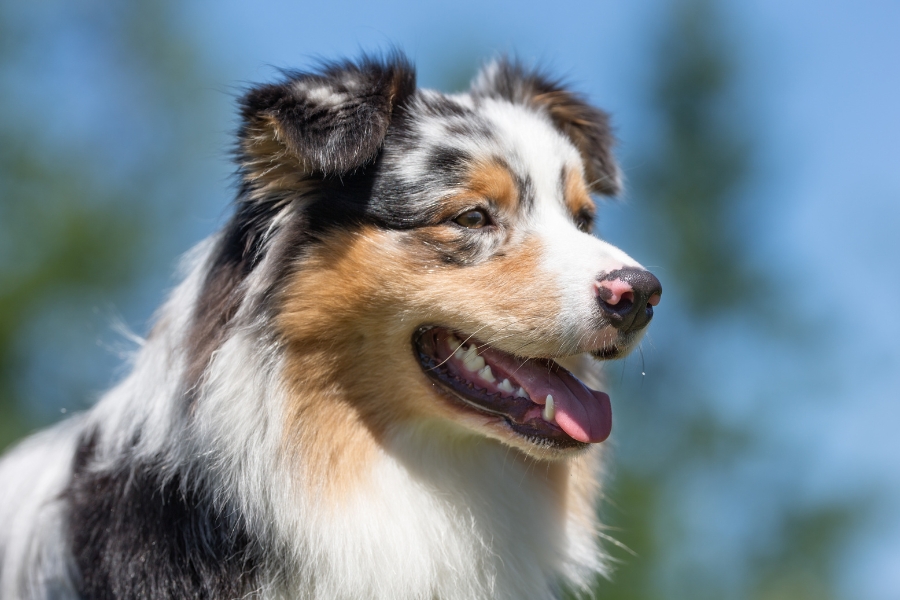
Leonese Shepherd traits
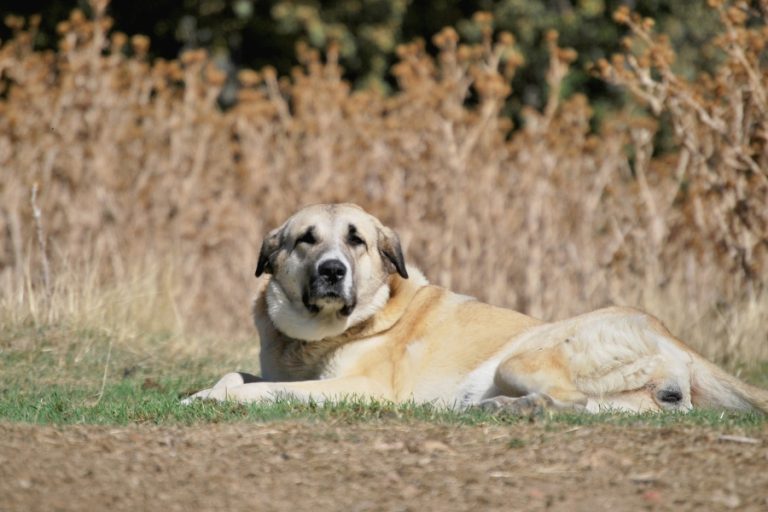
The Leonese Shepherd is a medium-sized dog known for its strength and agility. It stands between 45 and 55 cm tall and weighs around 25 kg. Its spotted coat gives it a unique and easily recognizable appearance.
Its face also has what's known as a “four-eyes effect,” caused by the markings around its eyes. This feature makes it even more distinctive. The Leonese Shepherd is known for being loyal and affectionate, making it an excellent family companion.
The Leonese Shepherd's traits and behavior are important factors to consider. This dog is energetic, intelligent, and territorial. It needs an owner who can provide the exercise and mental stimulation it requires. Early socialization is important to help it adapt well to different environments and situations.
Leonese Shepherd origins
The Leonese Shepherd has ancient roots and was primarily used to herd sheep in the mountains of Castile and León. This breed is a testament to the region's cultural heritage and has played an important role in its livestock economy.
Over the years, the Leonese Shepherd has developed traits that make it especially well suited to working in the countryside. Its ability to manage flocks and its protective instinct are qualities shepherds value greatly.
Influences from other breeds have also contributed to its development, resulting in a versatile dog that works well in the field and adapts to family life.
Caring for a Carea Leonés
Essential care for a Carea Leonés is important for maintaining its health and well-being. This dog needs daily exercise, so it's a good idea to take it for walks and provide activities that let it burn off energy.
When it comes to nutrition, it's crucial to offer a balanced diet that includes protein and fiber. Dry dog food should be avoided in favor of more natural and nutritious foods. A good diet not only supports its health but also contributes to its energy and a healthy coat.
Regular veterinary checkups are also important to ensure it receives the necessary vaccinations and deworming. This will help prevent disease and keep it in optimal condition.
Carea Leonés temperament
The Carea Leonés's temperament combines loyalty and energy. This dog may be somewhat reserved around strangers, but it is extremely loyal to its family. Its territorial nature makes it an excellent watchdog, which can be beneficial in rural settings.
Socialization and training are essential from an early age. The Carea Leonés is intelligent and learns quickly, but it can also be independent. It's therefore important to establish boundaries and rules from the start.
Patience and consistency are key to training. With proper training, the Carea Leonés becomes an ideal and dependable companion. It is deeply affectionate toward family members, making it a great friend to children.
Where to adopt a Carea Leonés
If you're interested in getting a Leonese Shepherd, or Carea Leonés, you'll be glad to know that there are several adoption options. Many shelters and rescue organizations work to find homes for dogs of this breed.
It's a good idea to look into local organizations that specialize in rescuing and rehabilitating herding dogs. You can search online or visit shelters in your area.
Before adopting, make sure you're prepared to give the dog the exercise and attention it needs. A happy Carea Leonés is a well-cared-for dog, and your commitment is essential to its well-being.
Leonese Shepherd price
The price of a Leonese Shepherd can vary depending on several factors. If you decide to buy from a breeder, the cost generally ranges from 600 to 1000 euros, depending on the dog's genetic quality and the breeder's reputation.
If you choose to adopt, however, you may find dogs of this breed at shelters for much less, often paying only the adoption fee. Adoption is not only a more affordable option; it also gives a dog in need a second chance.
When considering the cost, it's also important to account for long-term expenses, such as food, veterinary care, and other needs throughout the dog's life.
Related Questions About the Leonese Shepherd Dog
What Is the Leonese Shepherd Dog's Temperament Like?
The Leonese Shepherd Dog combines loyalty and energy. This dog is usually affectionate with its family, though it may be wary of strangers. It is territorial, which makes it an excellent watchdog.
Socialization from puppyhood is essential for developing balanced, friendly behavior. The breed is intelligent and, with proper training, can be a great companion for families with children.
What Are Leonese Shepherd Dogs Like?
Leonese Shepherd Dogs are known for their spotted coats and sturdy build. Their faces, with markings around the eyes, give them a distinctive appearance. Their medium size and energy make them well suited to outdoor activities.
They are also herding dogs, with a strong instinct to manage flocks and protect their owners. Their loyal, affectionate nature makes them ideal companions, provided they get the exercise and attention they need.
How Long Do Leonese Shepherd Dogs Live?
Leonese Shepherd Dogs generally live between 10 and 14 years. However, their lifespan can vary depending on the care they receive and their overall health.
With a balanced diet, regular exercise, and veterinary care, you can help your dog live a long, healthy life. Watch for any signs of illness and act quickly if health problems arise.
What Dog Breed Has Four Eyes?
The dog breed known for what is called the “four-eye effect” is the Leonese Shepherd Dog. This distinctive look comes from the markings around its eyes, giving it a unique, easily recognizable appearance.
This feature is more than just a distinctive look—it also makes the Leonese Shepherd Dog unforgettable. Its appearance, combined with its loyal, energetic temperament, makes it a valued breed both as a working dog and as a family companion.