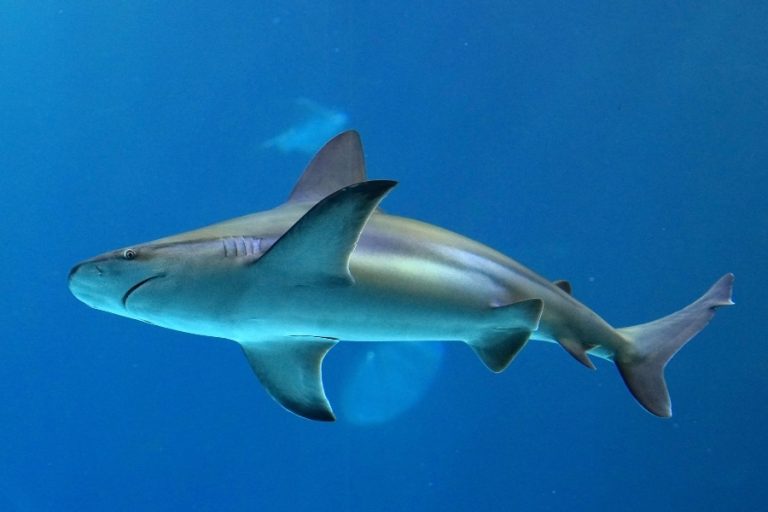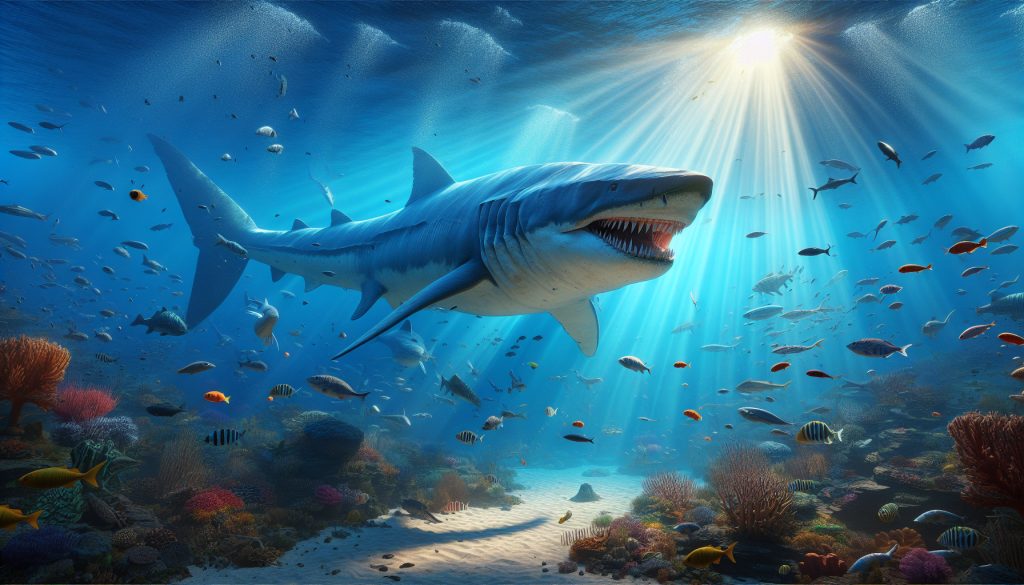
The megalodon, also known as Carcharocles megalodon, is one of the most fascinating sharks in history. This marine predator lived in the oceans millions of years ago, and its size and weight make it a subject of study and fascination. Below, we'll explore various aspects of the megalodon, from its size to its extinction, revealing its impressive legacy in the marine ecosystem.
How big was the megalodon, really?
The megalodon's size has been a subject of debate among scientists. This colossal shark is estimated to have reached lengths of up to 18 meters. However, some studies suggest that an even larger megalodon may have existed, reaching up to 20 meters in exceptional cases.
The megalodon had a robust build, with a body that allowed it to move quickly through the water. Its enormous size not only made it impressive but also gave it an advantage when hunting prey. Estimates of its length are based on analysis of its teeth, which were enormous and could measure up to 18 centimeters long.
Compared with other sharks, the megalodon is the largest known in history. To put this in perspective, the great white shark, one of the largest sharks alive today, can reach lengths of up to 6 meters, meaning the megalodon was significantly larger.
What was the megalodon's estimated weight?
The megalodon is estimated to have weighed between 50 and 100 tons. This is an impressive figure and shows its dominance as a marine predator. To better understand its weight, it's helpful to compare it with that of other sharks. For example, the great white shark, which weighs approximately 2 tons, is tiny by comparison.
Estimates of the megalodon's mass are based on studies of its biology and skeletal structure. Given its size, it is thought to have needed large amounts of food, which influenced its hunting behavior. Its diet consisted mainly of marine mammals, such as whales and other cetaceans, which were also quite large.
In addition, the megalodon had a highly efficient system of buoyancy, which allowed it to move easily despite its enormous weight. This is crucial to understanding how an animal of its size could be an effective predator in its habitat.
Where does the megalodon live today?
Although the megalodon has been extinct for approximately 2.6 million years, it is thought to have lived in temperate and warm oceans, as well as in shallow waters. Its extensive range stretched from the coasts of Europe to the Americas, and evidence of its existence has been found in several places around the world.
Megalodon fossils have been discovered in regions that are now part of the United States, Australia, and parts of Europe. This suggests that the megalodon preferred warm-water environments where it could find an abundant food source.
Interestingly, the megalodon's habitat was linked to the availability of prey. As the oceans changed over time, so did the species living in them, affecting the megalodon's distribution and survival.
What are the megalodon's main characteristics?
The megalodon's physical characteristics made it one of the most feared predators of its time. Some of its most notable features include:
- Enormous teeth: Its teeth were large and sharp, ideal for tearing flesh.
- Robust body: Its body structure gave it strength and speed.
- Coloration: Although its exact color is unknown, it is thought to have had a coloration similar to that of the great white shark, with a lighter belly.
- Sensory system: It had a keen sense for vibrations in the water, which helped it hunt.
These features not only made the megalodon an effective predator but also reflect its adaptation to a competitive marine environment. Its shape and size allowed it to hunt large prey more easily.
In addition, the megalodon was ovoviviparous, meaning its young were born alive. This meant they had fewer natural predators in the early stages of life, improving their chances of survival.
What did the megalodon eat?
The megalodon was an apex predator, meaning it was at the top of the food chain. Its diet consisted mainly of:
- Whales: They were its most common prey, especially younger or weakened individuals.
- Cetaceans: In addition to whales, it hunted other marine mammals.
- Other sharks: The megalodon didn't hesitate to attack smaller sharks.
Its hunting method was impressive. It could ambush its prey and use its powerful bite to quickly incapacitate it. It is often considered a solitary hunter, although evidence suggests that it may have hunted in groups.
The megalodon needed to consume large amounts of food every day to maintain its size, which drove it to become an extremely efficient hunter. This may also help explain its extinction, as a decline in its natural prey could have affected its survival.
What Caused the Megalodon's Extinction?
The megalodon's extinction is a fascinating subject of study. Several factors are believed to have contributed to its disappearance:
- Climate change: Falling ocean temperatures affected its habitat.
- Competition: The emergence of other predators, such as the great white shark, increased competition for food.
- Decline in prey: Overhunting of whales and other marine mammals affected its food supply.
The megalodon is estimated to have begun disappearing approximately 2.5 million years ago, during a period of change in marine ecosystems. The combination of these factors may have created a hostile environment for its survival.
Its extinction had a significant impact on the marine ecosystem. As an apex predator, its absence altered food chain dynamics, leading to an increase in the populations of other species.
Related Questions About the Megalodon
How Long and Heavy Was the Megalodon?
The megalodon could reach lengths of up to 18 meters, and its estimated weight ranged from 50 to 100 metric tons. These figures make it one of the largest sharks ever known.
Where Did the Megalodon Live?
Although the megalodon is extinct, it is believed to have lived in the warm and temperate oceans around the world. Its habitat ranged from the coasts of the Americas to Europe, where prey was abundant.
How Big Was the Megalodon?
The megalodon's size is a matter of debate, but it is estimated to have measured between 15 and 18 meters. Some reports suggest that it may even have reached lengths of up to 20 meters in rare cases.
Which Was Bigger, the Whale or the Megalodon?
The blue whale, the largest animal on the planet, can reach lengths of up to 30 meters. So although the megalodon was a giant shark, the blue whale is larger.