The Mediterranean Sea is home to rich biodiversity, including the jellyfish of the Mediterranean. These fascinating creatures, though often feared, are an essential part of the marine ecosystem. However, their growing populations have raised concerns about their impact on human health and the environment.
In this article, we’ll explore the different types of jellyfish that live in this vast body of water, their characteristics, how dangerous they are, and how to identify them correctly. Knowing about these species is essential for enjoying a safe vacation on Mediterranean beaches.
Types of Jellyfish in the Mediterranean Sea
The jellyfish of the Mediterranean come in many shapes, sizes, and colors, and can be divided into several categories. Below are some of the most common types of jellyfish found in the region.
- Mauve stinger: Known for its ability to cause skin irritation.
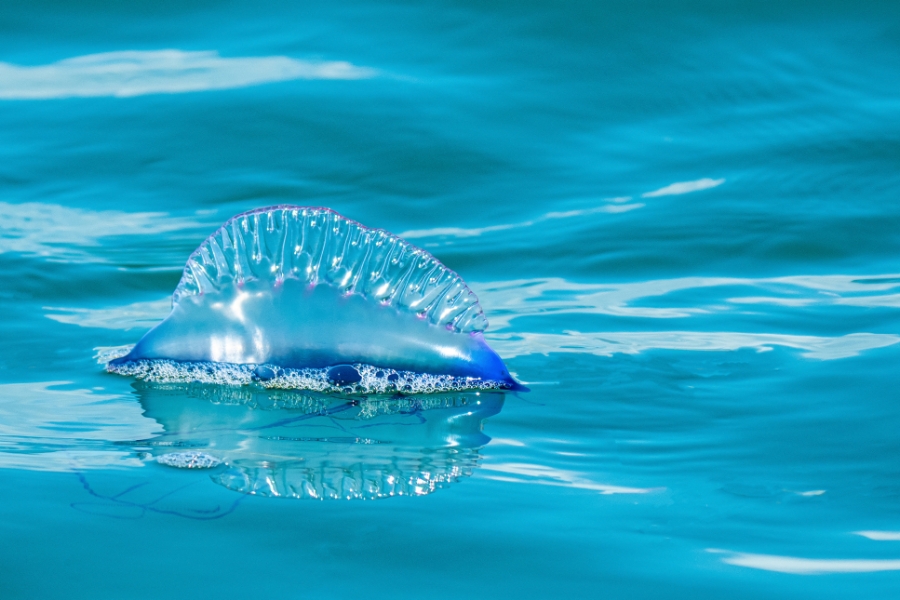
- Portuguese man o’ war: Although it is a hydrozoan, it is famous for its extremely potent venom.
- Pelagia noctiluca: Also called the mauve stinger, it is known for its beauty and painful sting.
- Aurelia aurita: Commonly known as the moon jelly, it is less dangerous and its sting is generally mild.
- Rhizostoma pulmo: Known as the fried egg jellyfish, it is one of the largest and has a harmless sting.
What Types of Jellyfish Live in the Mediterranean?
Several jellyfish species can be found in the Mediterranean, varying in size, shape, and how dangerous they are. Some of the most common include the mauve stinger, whose sting can cause discomfort, and the Portuguese man o’ war, which is extremely dangerous. Other species, such as the moon jelly, have less harmful stings.
Jellyfish are usually more visible during the warmer months. This increased visibility is related to their life cycle, which includes a reproductive phase when they release their gametes into the water. This gives people an opportunity to observe these creatures, but it also increases the risk of stings.
Most Common Jellyfish in the Mediterranean
The number of jellyfish in the Mediterranean is continually increasing, which may surprise beachgoers. Some of the most common species include:
- Mauve stinger: Causes skin irritation.
- Aurelia aurita: Known for its bell shape and is generally harmless.
- Pelagia noctiluca: Its sting can be very painful, although it is not usually fatal.
It’s important to know about these jellyfish so you can enjoy the sea safely. Most stings happen when people are unaware that jellyfish are in the water.
What Is the Most Common Jellyfish?
The most common jellyfish in the Mediterranean is undoubtedly Aurelia aurita. Its bell shape and short tentacles make it easy to recognize. Although its sting is generally harmless, it’s best to avoid direct contact with it.
Aurelia aurita can be found in shallow waters, especially near beaches. Its light blue or transparent color makes it harder to see, which can lead people to touch it accidentally. Despite being harmless, its presence is a reminder of the diversity of marine life in the Mediterranean.
Dangerous Jellyfish in the Mediterranean
Among the dangerous jellyfish in the Mediterranean, the Portuguese man o' war stands out as one of the deadliest. This species can cause serious adverse reactions in humans because of its potent venom. It is crucial to take precautions when swimming in areas where it has been reported.
Other dangerous jellyfish include Pelagia noctiluca, which can cause intense pain and allergic reactions. Although its sting is not usually fatal, it may require medical attention, especially for people with allergies.
Which jellyfish is the least dangerous?
Among the least dangerous jellyfish is Aurelia aurita, which causes mild stings that generally do not require treatment. This jellyfish is considered almost harmless, and many people have touched one without experiencing adverse effects.
The fried egg jellyfish (Rhizostoma pulmo) is also known for its relatively painless sting, making it a safer species to come into contact with. However, it is best to observe these jellyfish from a distance to avoid any accidents.
Jellyfish species you should know
It is essential to know the different jellyfish species in the Mediterranean, as this helps beachgoers identify those that could be dangerous. The mauve stinger is one of the most common, and its sting can cause irritation and pain.
Other species to watch out for are the Portuguese man o' war and Pelagia noctiluca, as their venom can be potentially lethal. Identifying them correctly can make the difference between an enjoyable day and a painful experience at the beach.
How to identify jellyfish in the Mediterranean
To enjoy the sea safely, it is crucial to learn how to identify jellyfish in the Mediterranean. Look at their shape, color, and size, as well as whether they have tentacles. Here are some tips to help you recognize them:
- Shape and size: Jellyfish range from small and round to large and elongated.
- Color: Some are almost transparent, while others may have vibrant colors.
- Tentacles: The length and number of tentacles can help identify the species.
It is also a good idea to consult local guides or apps that can help identify jellyfish. Learning about these creatures is key to ensuring a safe day at the beach.
Frequently asked questions about Mediterranean jellyfish
What types of jellyfish are found in the Mediterranean?
Several jellyfish species are found in the Mediterranean. The most notable include Aurelia aurita, the Portuguese man o' war, Pelagia noctiluca, and the mauve stinger. Each has unique characteristics that set it apart, and it is essential to know what they are to avoid stings. Jellyfish vary in how dangerous they are, so it is important to identify them correctly.
Which jellyfish sting in the Mediterranean?
Jellyfish that sting in the Mediterranean include the Portuguese man o' war, known for its potent venom, and Pelagia noctiluca, whose sting can be very painful. Although many jellyfish are not dangerous, it is essential to watch out for these species to enjoy a safe time in the water.
What is the most common jellyfish?
The most common jellyfish in the Mediterranean is Aurelia aurita. It is easy to identify by its bell shape and color, which ranges from white to light blue. Although its sting is mild, it is best to avoid direct contact to prevent skin irritation.
Which jellyfish is the least dangerous?
The least dangerous jellyfish is Rhizostoma pulmo, known as the fried egg jellyfish. Its sting is generally harmless, although it may cause some discomfort. This species is more common in calm, shallow waters, making it less risky for swimmers.