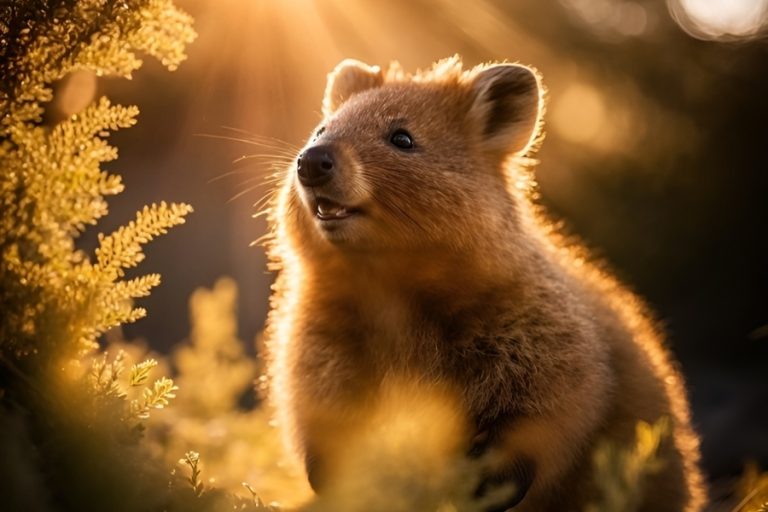
Mongooses are fascinating carnivorous mammals in the family Herpestidae. Known for their agility and ability to hunt venomous snakes, these animals play a crucial role in their ecosystem. In this article, we’ll take a closer look at mongooses: what they are, their types, characteristics, and habitat.

What Are Mongooses?
Mongooses are mammals in the family Herpestidae, which includes around 33 species. Their size ranges from the small dwarf mongoose to larger species. These animals are known for their agility and ability to confront dangerous foes, such as venomous snakes.
Mongooses’ ability to resist venom is remarkable and allows them to hunt prey that would be deadly to other animals. They are generally social animals that live in groups, which gives them advantages when searching for food and defending themselves against predators.
Types of Mongooses: Species and Classification
There are many species of mongoose, each adapted to its specific environment. Some of the best-known include:
- Mungos mongoose: Known for its social behavior and resistance to venom.
- Banded mongoose: Recognizable by the distinctive bands on its coat.
- Dwarf mongoose: The smallest mongoose, found in parts of Africa.
- Long-tailed mongoose: Found in various regions of Africa and Asia.
Each type of mongoose has its own habitat and behavior. For example, African mongooses and their habitat vary considerably by region, from deserts to tropical forests.
Mongoose Characteristics: Physical Traits and Behavior
Mongooses vary in their physical characteristics, but they commonly have dense coats that may be gray, brown, or striped. They have elongated bodies and long tails, which help with agility and balance.
In terms of behavior, mongooses are diurnal and highly social animals. They live in groups, often matriarchal ones in which females dominate. This social behavior allows them to hunt cooperatively and care for their young more efficiently.
Mongooses also have a repertoire of vocalizations they use to communicate with one another, strengthening group cohesion. This social behavior is crucial to their survival, as it helps them defend themselves against predators and find food more effectively.
Where Do Mongooses Live in the Wild?
Mongooses live in a wide range of ecosystems, from tropical forests to arid deserts. In Africa, for example, they can be found in a variety of habitats, from savannas to mountainous areas.
Mongooses are less common in Europe and Asia, but some species can be found in specific areas with warm climates. These adaptations allow them to survive in a range of conditions and take advantage of different food sources.
In addition, their ability to adapt to different environments has helped expand their geographic range. Some species have been introduced to new areas, where they can become invasive and affect local ecosystems.
What Do Mongooses Eat?
Mongooses have an omnivorous diet that varies by species and habitat. In general, they eat a wide range of prey, including:
- Insects: such as beetles and termites.
- Small mammals: mice, rats, and other rodents.
- Reptiles: especially snakes, which they hunt thanks to their resistance to venom.
- Fruit and vegetables: they supplement their diet with plant matter.
Mongooses are skilled hunters, using their agility and speed to catch prey. Their ability to take on venomous snakes is particularly notable, and some species have been documented hunting and killing snakes that would be deadly to other animals.
Mongoose Reproduction: Life Cycle and Behavior
The reproductive cycle of mongooses varies by species, but they generally display social breeding behavior. Females usually give birth to several pups, which are cared for by the group. This system allows the young to grow up in a safe, protected environment.
Mongooses reach sexual maturity at around 6 months of age. During mating season, interactions between males and females are common, and courtship rituals can be observed. Cooperative care of the young is a distinctive feature of their social behavior, improving survival rates during the early stages of life.
In many species, females in a group have been observed nursing one another’s young, strengthening social bonds and group cohesion.
Mongoose Conservation Status and Habitat
The conservation status of mongooses varies by species. Some are classified as threatened due to habitat loss and hunting. Illegal trade and the introduction of nonnative species also pose risks to their survival.
Mongoose conservation is an important issue, as many species have been relocated from zoos to conservation centers. Efforts to protect mongooses and their habitats are essential to maintaining biodiversity in the ecosystems where they live.
Education about the importance of these animals is essential to promoting their conservation. Raising awareness of how they affect ecosystems can help protect both mongooses and their natural habitats.
Frequently Asked Questions About Mongooses
What Types of Mongooses Are There?
Mongooses include several species adapted to different habitats. Some of the best-known are the common dwarf mongoose, the banded mongoose, and the dwarf mongoose. Each species has unique physical and behavioral traits that help it survive in its environment.
There are fewer types of mongoose in Europe and Asia, but some species have adapted to these regions as well. Species vary considerably in size, color, and behavior, contributing to the diversity of this group of mammals.
What Are the Characteristics of a Mongoose?
Mongooses have elongated bodies, dense coats, and great agility. They are excellent climbers and runners, which helps them hunt. Another distinctive trait is their social behavior: they live in matriarchal groups led by females.
Their resistance to snake venom is another notable trait, allowing them to hunt prey that would be lethal to other animals. These characteristics make mongooses fascinating and unique members of the animal kingdom.
What Is a Mongoose?
A mongoose is a carnivorous mammal in the family Herpestidae. Mongooses are known for their agility and ability to hunt venomous snakes. They are social animals that live in groups and play an important role in their ecosystems by controlling insect and small-vertebrate populations.
The term “mongoose” refers to various species, each with different characteristics, habitats, and behaviors. These mammals are known for their resistance to venom, which makes them effective hunters of snakes and other reptiles.
Where Can You Find Mongooses in Spain?
Mongooses are not native to Spain, although some introductions of exotic species have been reported in the past. Their natural habitat is mainly in Africa and parts of Asia and Europe. In Spain, similar animals can be seen in zoos, where conservation and education programs help raise awareness of the importance of these species.
It is important to monitor the introduction of nonnative species, as they can threaten local biodiversity and disrupt ecosystem balance. Conservation and education are key to protecting mongooses and their habitats in the wild.