Introducing new foods into our pets’ diets can be a challenge. One of the most debated topics among dog owners is whether dogs can eat cheese. In this article, we’ll explore how cheese affects dogs’ health and which types are safe for them.
Cheese can be an appealing treat for many dogs because of its flavor. However, it’s important to consider factors such as lactose intolerance and the associated health risks. Below, we’ll take a closer look at different types of cheese and whether they’re safe for dogs.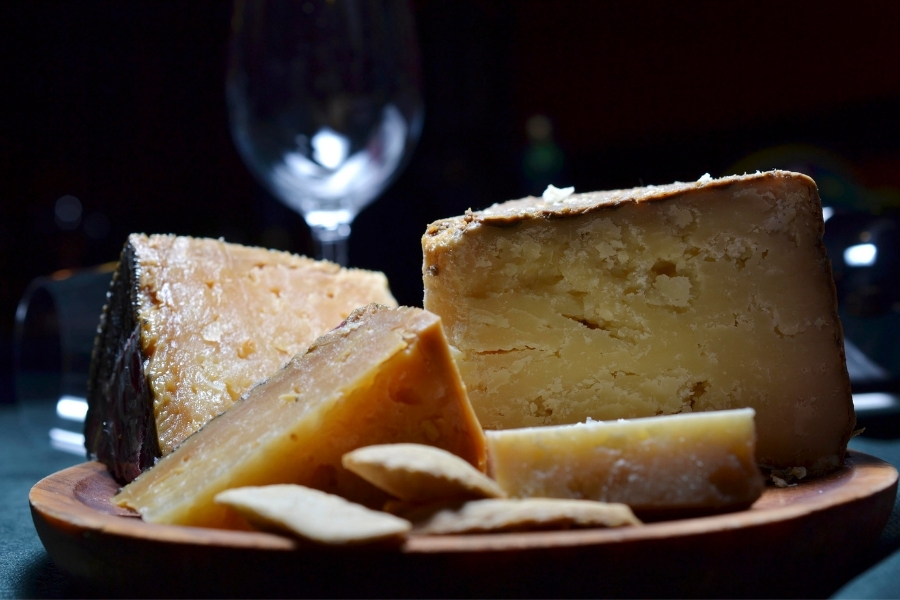
Is cheese good for dogs?
Cheese can be a dietary supplement in small amounts. It provides nutrients such as calcium, protein, and vitamins. However, it’s also important to keep in mind that many dogs are lactose intolerant, which can cause digestive problems.
When it comes to our dogs’ health, it’s always best to choose moderation. A small piece of cheese can be a good treat, but it shouldn’t be a regular part of their diet. Some cheeses also contain ingredients that may be harmful.
- Calcium
- Protein
- Vitamins
- Low in fat and lactose (if possible)
Remember, if you decide to give your dog cheese, it’s always a good idea to consult a veterinarian to make sure it’s safe and appropriate for their health.
Can dogs eat white cheese?
White cheese is a type of fresh cheese that may be lower in fat than other aged cheeses. Many dogs love its mild flavor, but the question remains: is it safe? Some dogs may tolerate it, while others may experience digestive upset.
The most important thing is to watch how your dog reacts after eating it. If you notice symptoms such as diarrhea or vomiting, it’s best to avoid giving them white cheese in the future.
In general, white cheese can be offered as a small treat, as long as it’s given in moderate amounts. Make sure it doesn’t contain potentially harmful added ingredients, such as onion or garlic.
Can dogs eat aged cheese?
Aged cheese has a stronger flavor and is usually saltier. Because of its high salt content, it’s not recommended for dogs. Too much salt can cause health problems, such as dehydration or kidney problems.
If your dog accidentally eats aged cheese, make sure they drink enough water to stay hydrated. In general, it’s better to choose fresh cheeses that are lower in salt.
Can dogs eat semi-aged cheese?
Semi-aged cheese falls between fresh and aged cheeses, which means its fat and salt content can vary. Although some dogs may tolerate small amounts, it’s important to be cautious.
As with aged cheese, the high salt content can be harmful to dogs. It’s always best to offer cheeses that are low in fat and salt and watch for any reaction.
Can dogs eat Burgos cheese?
Burgos cheese is a fresh cheese that may be suitable for dogs in small amounts. It’s low in fat and doesn’t contain potentially toxic added ingredients.
However, it’s always best to introduce it gradually into your dog’s diet and watch for any reaction, especially if your dog has a history of lactose intolerance.
Can dogs eat mozzarella?
Many dogs like mozzarella because of its soft texture. If you’re wondering whether dogs can eat mozzarella, the answer is yes, but in moderation. This cheese is relatively high in fat.
If you decide to give your dog mozzarella, make sure it’s in small portions and watch for their reaction to avoid digestive problems. Avoid varieties that contain added ingredients, such as herbs or spices.
Can dogs eat Philadelphia cream cheese?
Philadelphia cream cheese may also appeal to dogs. However, its high fat content and the possibility that it contains other ingredients make it less than ideal.
If you decide to give your pet Philadelphia cream cheese, offer only a very small amount and only occasionally. Remember, it’s not an essential food and it’s always better to choose snacks made specifically for dogs.
Can dogs eat goat cheese?
Goat cheese is known to be easier to digest than other cheeses, which may make it a good option for some dogs. It may be lower in fat, and many dogs can tolerate it well.
However, it’s always important to offer it in moderate amounts and watch for any adverse reaction. If your dog has a history of digestive problems, it’s best to avoid it.
Can dogs eat lactose-free cheese?
Lactose-free cheese may be the best option for dogs with lactose intolerance. This type of cheese lets dogs enjoy the flavor without the negative side effects associated with lactose.
If you decide to give your dog lactose-free cheese, make sure it doesn’t contain other harmful ingredients. In small amounts, it can be an occasional treat.
Related Questions About Dogs Eating Cheese
What happens if my dog eats cheese?
If your dog eats cheese, the most important thing is to monitor their behavior and digestion. If they eat a small amount and show no signs of discomfort, there’s probably no cause for concern. However, if you notice diarrhea, vomiting, or lethargy, consult a veterinarian.
What Kind of Cheese Can Dogs Eat?
The safest cheeses for dogs are low in lactose and fat. Some good options include goat cheese, cottage cheese, and Parmesan. Avoid aged cheeses and those with a high salt content.
What Foods Should You Never Give Your Dog?
Several foods are toxic and dangerous to dogs. These include chocolate, onions, garlic, grapes, avocado, and cooked bones. It’s always best to consult a veterinarian about the right diet for your pet.
What Happens If a Dog Eats a Piece of Cheese?
If a dog eats a piece of cheese, there’s generally no cause for alarm if it’s a small amount. However, it’s essential to monitor their behavior. If they show symptoms such as discomfort or digestive problems, take them to the veterinarian. Cheese isn’t an essential part of their diet and should be offered with caution.