If you've been wondering “Can dogs eat figs?”, you've come to the right place. Figs are a delicious, nutritious fruit, but it's crucial to know whether they're safe for your furry friend. In this article, we'll explore the benefits and risks of adding figs to your dog's diet, along with tips for offering this fruit safely.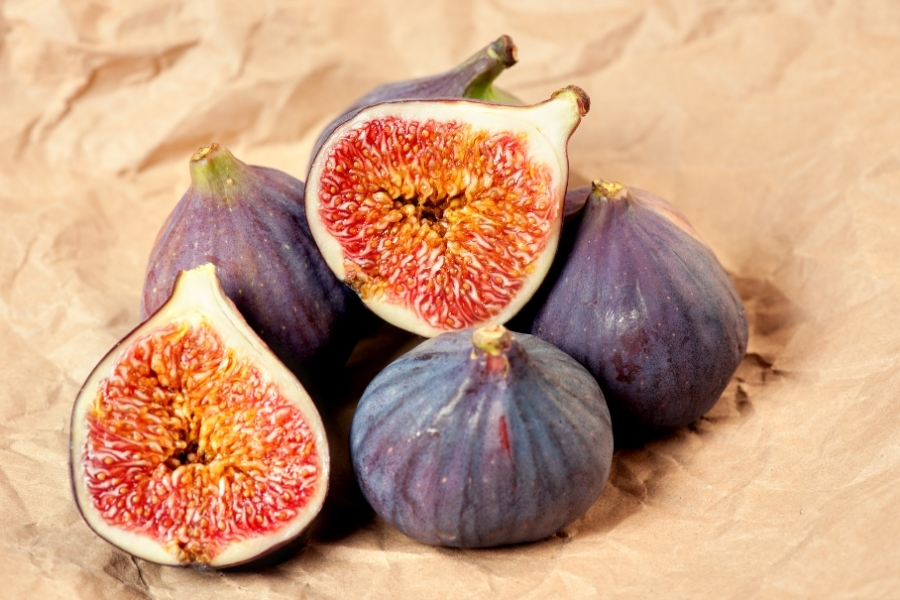
Can Dogs Eat Figs?
Figs are a tropical fruit that may appeal to dogs because of their sweet taste. However, it's important to remember that not all foods are safe for our canine companions. In general, dogs can eat figs in moderation, as long as you take certain precautions. The key is to offer fresh figs and avoid dried varieties, which may contain more sugar.
When introducing figs to your dog's diet, do so gradually. This makes it easier to watch for any adverse reactions. If your dog shows signs of an upset stomach after eating figs, consult a veterinarian.
What Are the Benefits of Figs for Dogs?
Figs are rich in nutrients and may offer several health benefits for your dog. Some benefits of figs for dogs include:
- High in fiber: Helps regulate dogs' digestive systems.
- Antioxidants: Help fight free radicals in the body.
- Vitamins and minerals: Figs are rich in vitamins such as A, B, and K, as well as minerals such as calcium and potassium.
In addition, figs have anti-inflammatory properties that may benefit your dog's overall health. However, as with any new food, it's essential to offer them in small amounts.
Can Dogs Eat Dried Figs?
When it comes to dried figs and their effects on dogs, the answer isn't so simple. Although dried figs are nutritious, they contain much more sugar. This may cause health problems in dogs, especially those prone to obesity or with diabetes.
If you decide to offer dried figs, remember to do so only occasionally and in small amounts. It's always better to choose fresh figs, which are healthier and contain less concentrated sugar.
Can Cats Eat Figs?
Although this article focuses on dog nutrition, it's worth mentioning that cats should also be cautious with figs. In general, cats are obligate carnivores and don't need fruit in their diet. However, some cats may enjoy a small piece of fig now and then. As with dogs, it's essential to offer it in moderation and watch for any reactions.
What Other Fruits Can Dogs Eat?
There are many safe, healthy fruits you can offer your dog. Some safe fruits for dogs include:
- Apples (without seeds)
- Bananas
- Blueberries
- Pears (without the seeds or core)
- Watermelon (without the seeds or rind)
It's essential to introduce each new fruit in small amounts and watch how your dog reacts. Some fruits are safer than others, and moderation is always key.
How to Safely Offer Figs to Your Dog
If you decide to offer figs to your dog, here are some tips on how to give figs to a dog safely:
- Choose fresh, ripe figs.
- Cut the fig into small pieces to reduce the risk of choking.
- Avoid the seeds, as they can be difficult to digest.
- Offer figs only as an occasional treat.
Remember, it’s always best to consult a veterinarian before introducing new foods into your dog’s diet. This is especially important if your dog has a preexisting health condition.
What Are the Risks of Feeding Figs to Your Dog?
Although figs can be beneficial in moderation, they also pose some risks you should consider. One of the main side effects of figs in dogs is an upset stomach. This can include symptoms such as diarrhea or vomiting, especially if your dog eats too many.
In addition, as mentioned earlier, dried figs are high in sugar, which can lead to health problems such as obesity and diabetes. If your dog has a medical condition, consult a veterinarian before offering figs.
Related Questions About Dogs’ Diets
What Happens If My Dog Eats Figs?
If your dog eats figs, watch for signs of discomfort. Generally, a small amount shouldn’t cause any problems. However, if you notice diarrhea or vomiting, it’s a good idea to consult a veterinarian for specific guidance.
How Many Figs Can a Dog Eat?
The number of figs a dog can eat depends on their size and health. As a general rule, a small dog might be able to eat a small piece of fig, while a large dog might tolerate a little more. However, it’s always best to offer figs in small amounts and watch how your dog reacts.
What Fruits Should Dogs Avoid?
Several fruits are toxic to dogs and should be avoided. These include:
- Grapes and raisins
- Onions
- Avocado
- Cherries
The fruits mentioned can damage dogs’ internal organs, so be sure to avoid them completely.
What Should I Do If My Dog Ate a Fig?
If your dog has eaten a fig, it’s best to monitor them for the next few hours. If they seem fine and show no signs of discomfort, there’s no need to worry. However, if they experience vomiting, diarrhea, or any other concerning symptoms, contact your veterinarian immediately for advice.