Jellyfish are fascinating creatures that have inhabited the oceans for millions of years. Among them, the lion's mane jellyfish, scientifically known as Cyanea capillata, stands out for its impressive size and beauty. In this article, we'll explore the characteristics, habitat, and reproduction of the world's largest jellyfish, as well as other giant jellyfish that inhabit our oceans.
How big is the world's largest jellyfish?
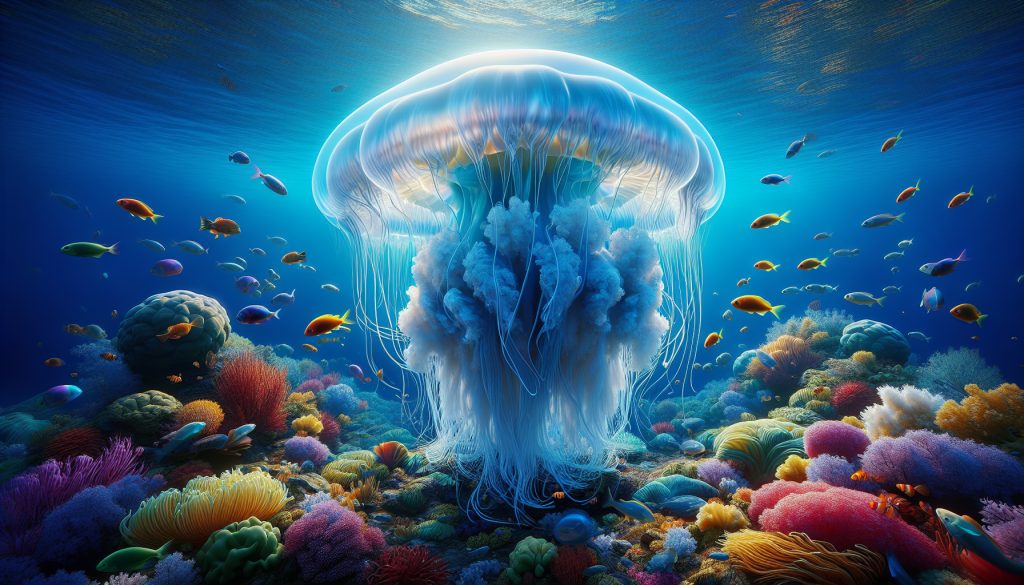
The lion's mane jellyfish is recognized as the largest jellyfish in the world, reaching astonishing lengths. As an adult, it can grow up to 37 meters long. This includes its bell, which can reach a diameter of 2.5 meters, and tentacles that exceed 36 meters in length.
Despite their impressive size, most jellyfish measure between 30 and 80 centimeters. This makes Cyanea capillata stand out among its relatives. Its size makes it one of the most impressive creatures in the ocean.
The combination of its size and beauty has fascinated scientists and explorers. However, its size is more than just an interesting fact; it also plays an important role in its ecosystem and how it interacts with other species.
What is the most dangerous jellyfish in the world?
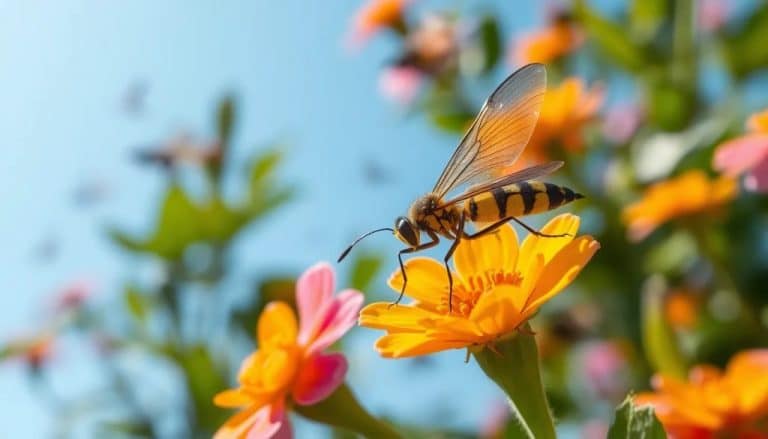
The most dangerous jellyfish in the world is not the lion's mane jellyfish, but the sea wasp. Known for its extremely potent venom, its sting can be fatal to humans. Although Cyanea capillata has venom that can cause pain, it is not lethal to most people.
Although many jellyfish have defense mechanisms, the sea wasp stands out for its ability to inflict significant harm. This has led it to be considered one of the most feared jellyfish in the ocean.
The venom of the lion's mane jellyfish can cause intense pain, redness, and swelling, but rarely leads to serious complications. Therefore, it's important to learn about jellyfish before swimming in waters where they may be found.
Where does the lion's mane jellyfish live?
The lion's mane jellyfish inhabits cold, deep waters in several oceans. It is found mainly in the Southern Ocean, the Pacific Ocean, and the North Atlantic Ocean. Its depth range varies, and it can live at depths of between 3,000 and 6,000 meters.
- Southern Ocean
- Pacific Ocean
- North Atlantic Ocean
Its preferred habitat is cold water, which means it is less common in tropical regions. This preference allows it to thrive in environments where other species may not survive.
The breadth of its habitat also affects its diet, which consists mainly of zooplankton and small fish. The lion's mane jellyfish's ability to adapt to different ocean environments is one reason for its evolutionary success.
How does the lion's mane jellyfish reproduce?
The lion's mane jellyfish's reproduction is a fascinating process involving several stages. It begins when the jellyfish reproduces sexually, releasing eggs and sperm into the water. This stage of its life cycle is crucial to the continuation of the species.
After fertilization, the eggs develop into larvae, which then attach to a substrate and enter the polyp stage. This is a very different phase, during which the jellyfish feeds and grows before transforming back into the medusa form. This cycle can take several months.
Surprisingly, jellyfish can reproduce both sexually and asexually, giving them an additional advantage for surviving in changing environments. This reproductive flexibility is one factor that contributes to their longevity in the oceans.
What are the characteristics of the lion's mane jellyfish?
The lion's mane jellyfish is easily recognized by its appearance. It has a bell that can grow quite large and long tentacles that seem to flow like a mane in the water. Its color ranges from pink to purple, making it even more impressive.
- Bell up to 2.5 meters in diameter.
- Tentacles that can exceed 36 meters in length.
- Coloration ranging from pink to purple.
These features are not merely aesthetic; they also serve a practical purpose. Their tentacles are covered with stinging cells that allow them to capture prey and defend themselves from predators. This adaptation helps them survive in an environment where competition for resources is fierce.
Are There Other Giant Jellyfish in the World?
Yes. In addition to the lion’s mane jellyfish, other giant jellyfish have captured the attention of scientists and naturalists. For example, the Nomura’s jellyfish is another species that can grow to a considerable size, making it a close contender in terms of length.
Other species, such as the giant phantom jellyfish and the barrel jellyfish, are also known for their size and unique characteristics. These jellyfish contribute to marine biodiversity and represent a fascinating part of ocean ecosystems.
Studies of these jellyfish not only help us understand their biology and ecology, but also provide insight into the overall health of the oceans. As they face threats such as climate change, continued research and learning more about their importance are crucial.
Frequently Asked Questions About the Largest Jellyfish in the World
What Is the Largest Jellyfish in the World?
The largest jellyfish in the world is Cyanea capillata, commonly known as the lion’s mane jellyfish. This species can reach lengths of up to 37 meters, making it one of the most impressive creatures in the ocean.
What Is the Most Dangerous Jellyfish in the World?
The most dangerous jellyfish is the sea wasp, famous for its deadly venom. Although the lion’s mane jellyfish has venom that can cause pain, it is not deadly to humans, unlike the sea wasp.
How Big Is the Largest Lion’s Mane Jellyfish in the World?
The lion’s mane jellyfish can measure up to 37 meters long, including its bell and tentacles. Its size makes it truly unique among jellyfish species.
How Big Can a Lion’s Mane Jellyfish Get?
The lion’s mane jellyfish can reach lengths of up to 37 meters, including tentacles that can be even longer than its bell. This impressive size is one of its most distinctive features.