Cockroaches are insects that make many people uneasy because of their appearance and habits. One of the most common myths is whether cockroaches bite or sting. In this article, we’ll debunk this belief and explain what really happens when a cockroach comes into contact with people.
Although cockroaches cannot sting, they may bite if they feel threatened. Their bites can cause discomfort and some skin reactions. Below, we’ll take a closer look at this topic and its health implications.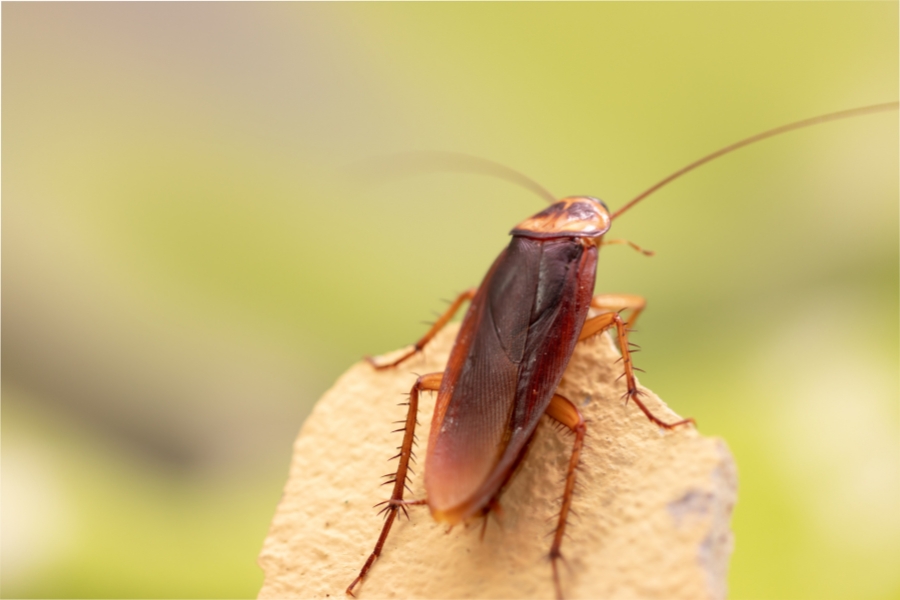
Do cockroaches bite or sting?
The short answer is that cockroaches don’t sting; they bite. They use their jaws to feed and, occasionally, to defend themselves. This can cause minor skin injuries, especially if they feel trapped or threatened.
Cockroach bites can be painful and may cause swelling and redness. Even so, they are uncommon, and cockroaches generally prefer to run away rather than attack. However, if someone is sleeping and a cockroach feels threatened, it may bite.
Their jaws are remarkably strong and can exert a force of up to 50 times their body weight. This means that, although their bites are not venomous, they can cause considerable skin damage.
Do cockroaches sting? What do experts say?
Pest control experts say that there is no evidence that cockroaches sting. They generally feed on food scraps and organic matter. However, close contact can sometimes lead to bites.
Cockroaches are omnivorous insects, meaning they eat a variety of substances, including decaying food, paper, and even glue. Their hardiness makes them difficult to eliminate, so understanding their behavior is crucial.
The fact that cockroaches don’t sting doesn’t mean they’re harmless. If a cockroach bites you, it’s essential to treat the wound properly to prevent infection.
What should you do if a cockroach bites you?
If you’re bitten by a cockroach, it’s important to act quickly. First, wash the wound with soap and water to remove any bacteria that may be present. This helps prevent infection.
After cleaning the wound, it’s a good idea to apply an antiseptic and cover it with a bandage. Monitor the wound over the next few days for signs of infection, such as redness, swelling, or pus.
If the bite causes an allergic reaction, such as difficulty breathing or extreme swelling, seek medical attention immediately. Although cockroach bites are uncommon, it’s important to be aware of the potential risks.
Cockroach bite symptoms
Cockroach bite symptoms can vary from person to person, but generally include:
- Swelling: The affected area may swell due to the body’s reaction.
- Redness: A red area may appear around the bite.
- Itching or burning: Many people experience itching or burning in the bitten area.
- Mild pain: The bite may be painful, similar to an insect sting.
It’s important to remember that although these bites are usually not serious, proper care can help prevent complications. If symptoms persist or worsen, consult a healthcare professional.
How to prevent cockroach bites
Prevention is key to avoiding cockroach bites and their potential consequences. Here are some effective strategies to reduce the risk:
- Keep your home clean: Keeping your home clean and free of food scraps is essential to avoid attracting cockroaches.
- Seal cracks and crevices: Make sure doors and windows are properly sealed to keep cockroaches from entering your home.
- Using traps and baits: Placing specially designed traps and baits can help control the cockroach population.
- Eliminating sources of water: Cockroaches need water to survive, so repair any leaks and avoid standing water.
- Regular inspections: Inspect your home regularly to detect signs of an infestation early.
Do Cockroaches Spread Disease?
Although cockroaches do not bite or sting to spread disease, they can carry bacteria and other pathogens. These can cause illnesses such as salmonellosis and gastroenteritis.
Cockroaches can contaminate food and surfaces they come into contact with. That’s why it’s crucial to maintain good hygiene at home. Regular cleaning and proper food storage are essential to prevent the spread of disease.
Although not all cockroach bites lead to infections, it’s important to watch for symptoms of illness and seek medical care if needed.
Related Questions About Cockroach Bites
What Happens If a Cockroach Bites Me?
If a cockroach bites you, it’s essential to clean the wound with soap and water. Although cockroaches are not venomous, their bites can cause irritation or infection. Monitor the area for any unusual symptoms.
How Can You Tell If a Cockroach Bit You?
Signs of a cockroach bite include swelling, redness, and itching. They often look like bites from other insects, so it’s important to pay attention to the circumstances surrounding the incident.
What Do Cockroach Bites Look Like?
Cockroach bites usually appear as small red marks on the skin, similar to bites from other insects. They may be accompanied by swelling and can cause itching or pain.
What Happens If I Sleep With Cockroaches?
If you sleep in an area infested with cockroaches, there is a risk of being bitten. Cockroaches tend to be nocturnal and may bite if they feel threatened. It’s advisable to take steps to get rid of cockroaches in your home to prevent these incidents.