The Moorish gecko, scientifically known as Tarentola mauritanica, is a reptile that inspires both interest and myths. Its presence in homes and gardens has raised questions about whether it is dangerous, especially the concern: Is the Moorish gecko venomous? In this article, we'll explore its characteristics, the myths surrounding it, and what living alongside humans is really like.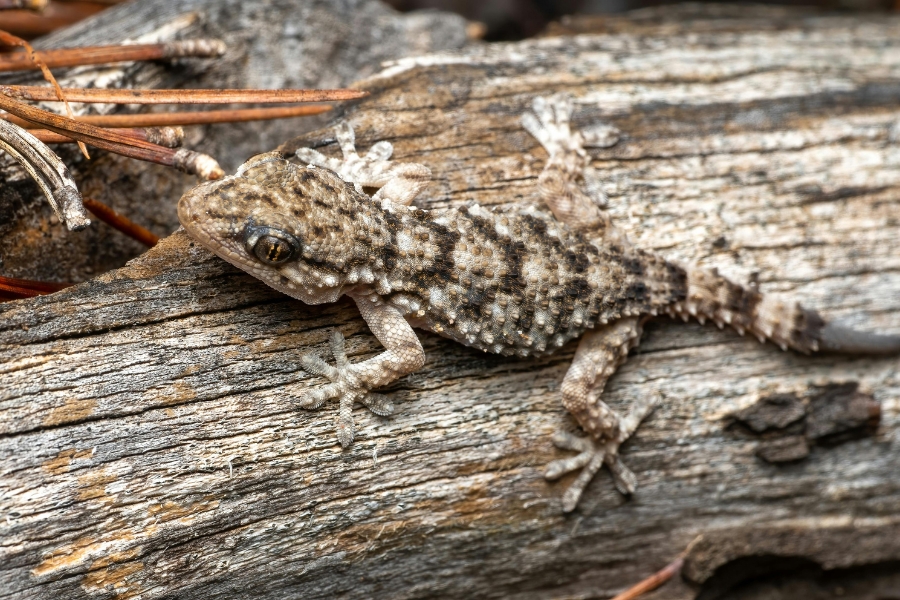
Is the Moorish gecko venomous?
Moorish geckos are often thought of as dangerous reptiles. However, it's important to clarify that they are not venomous. These animals, which belong to the gecko family, have no venom glands and don't attack humans unless they feel threatened. Their main defense is to flee from danger.
Despite the myths about their behavior, Moorish geckos prefer to avoid contact with people. If you're wondering, is the Moorish gecko venomous? The answer is a definitive no. This small reptile is more of an ally in pest control than a health hazard.
What should I do if I find a Moorish gecko in my house?
If you find a Moorish gecko inside your home, the best thing to do is avoid harming it. You can follow these steps:
- Open the windows to give it a natural way out.
- If necessary, gently trap it in a container and take it outside.
- Make sure there are no entry points it could use to get back in.
Remember that Moorish geckos are beneficial because they eat insects such as mosquitoes and spiders. Having one in your home can be a natural way to control pests.
Are Moorish geckos venomous or toxic?
Despite their exotic appearance, Moorish geckos are not toxic. This is a common myth that can cause unnecessary fear. Here are some facts to clarify the matter:
1. Moorish geckos eat insects and pose no danger to humans.
2. There are no reports of bites causing significant harm to people.
3. Most gecko species are harmless and tend to flee when threatened.
So, you can rest easy if you see a Moorish gecko in your home. Its presence is more beneficial than harmful.
Moorish gecko characteristics
The common Moorish gecko, scientifically known as Tarentola mauritanica, is a fascinating reptile. Some of its most notable characteristics include:
- It can grow up to 20 cm long.
- It has a robust body and variable coloring that helps it blend in.
- It is a nocturnal reptile that mainly eats insects.
- It has adhesive pads on its feet that let it climb smooth surfaces with ease.
This gecko is commonly found on the Iberian Peninsula and in parts of the Mediterranean, where it thrives in gardens and homes.
Myths about Moorish geckos
Myths about Moorish geckos are quite common and can lead to misunderstandings. Some of the best-known ones are:
1. Moorish geckos produce venom: As mentioned, this isn't true.
2. They are aggressive and attack humans: In reality, Moorish geckos prefer to flee rather than attack.
3. They can cause serious diseases: Although they may carry parasites, there is no evidence that they cause diseases in humans.
These myths can create a misleading image of the Moorish gecko, which is actually a harmless and beneficial animal.
Interesting Facts About the Moorish Gecko
In addition to its physical characteristics, the Moorish gecko has intriguing behaviors and traits:
– Moorish geckos can make sounds to communicate, especially during mating season.
– They can live up to 12 years in captivity.
– You can often see them basking on walls during the day, although they are primarily nocturnal.
These traits make the Moorish gecko fascinating to anyone who has the chance to observe one.
Is the Moorish Gecko Dangerous?
Generally speaking, the Moorish gecko is not dangerous to humans. The misconception that it can be harmful stems from myths and misinformation. Here’s more about how it interacts with people:
– It is not aggressive; its instinct is to flee when people are nearby.
– Although it can carry parasites, they do not pose a significant risk to human health.
– Its ability to control pests makes it an ally in the home.
So, there’s no need to worry about having a Moorish gecko in your home. Instead, you can consider yourself lucky to have natural insect control.
Frequently Asked Questions About the Moorish Gecko
What Happens If a Moorish Gecko Bites Me?
It’s important to clarify that Moorish geckos do not sting. They are defensive by nature and prefer to flee rather than attack. If you are bitten, it will most likely be an accident that happens when you try to catch one, but the bite will not be venomous or cause significant harm.
If this ever happens, simply clean the wound as you would any minor bite and watch for signs of infection.
What Should I Do If I Have a Moorish Gecko in My Home?
Having a Moorish gecko in your home can be beneficial. This reptile helps control insect pests, such as mosquitoes and spiders, which can be a nuisance. Rather than worrying, consider leaving it alone and letting it fulfill its ecological role.
If you find its presence uncomfortable, try humane methods to move it outdoors, such as opening windows or using a container.
What Diseases Do Moorish Geckos Cause?
Moorish geckos do not cause diseases in humans. Although they can carry parasites, these usually do not pose a significant risk. Maintaining good hygiene at home is important, but there is no need to fear this reptile as a health hazard.
The Moorish gecko itself is harmless and may be seen as an indicator of a healthy environment rather than a threat.
What Danger Does a Moorish Gecko Pose?
The real danger associated with the Moorish gecko comes more from myths than from the animal itself. As mentioned earlier, there is no evidence to suggest that it is harmful to humans. Its greatest “danger” may be the noise it makes, which can be annoying, but that is simply a matter of personal preference.
Ultimately, the Moorish gecko is a reptile that deserves respect and appreciation for its role in the ecosystem.
Although not all gecko species are the same, Tarentola mauritanica is a good example of how a reptile can contribute to balance in the home and the wider ecosystem.