Bumps on dogs can be a source of concern for many pet owners. These skin conditions can have multiple causes and require proper care to treat. Recognizing the symptoms and understanding when to see a veterinarian are essential for maintaining your pet's health.
In this article, we'll explore various aspects of bumps on dogs, including their causes, symptoms, and available treatments. We'll also address frequently asked questions that dog owners may have.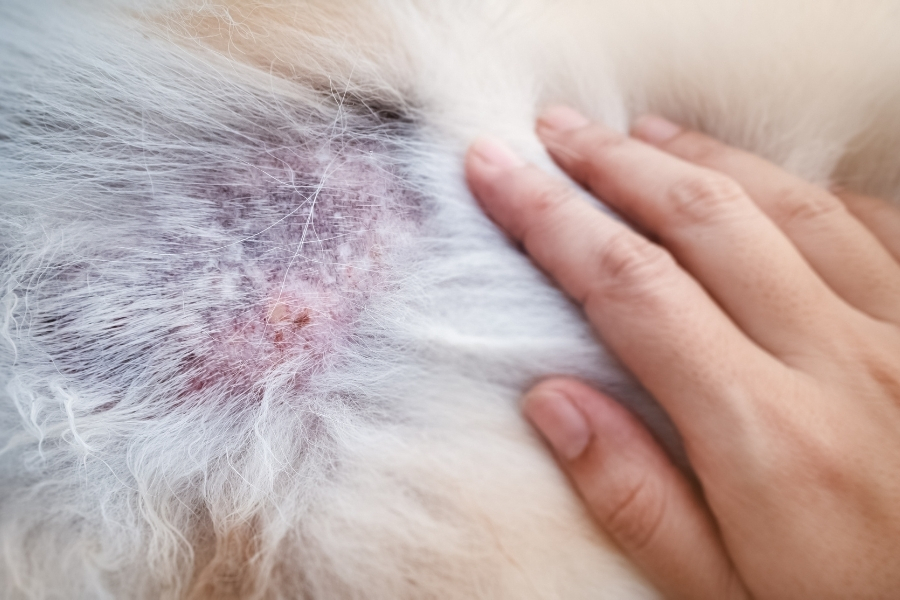
Types of bumps on dogs
Bumps on dogs can appear in different ways, depending on the underlying cause. Some of the most common types include:
- Chin acne: Similar to human acne, it appears as red spots or bumps.
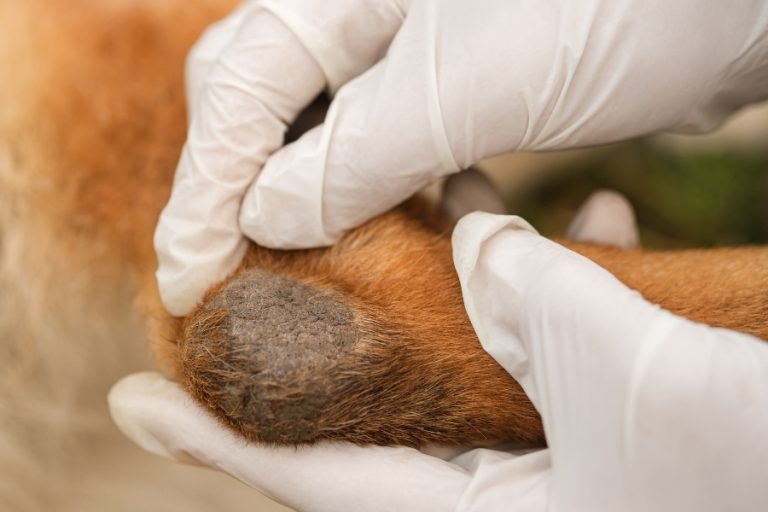
- Bumps on the paws: Often associated with irritation or allergies.
- Bumps on the back: These may be signs of infections or parasites.
- Bumps around the anus: They may be related to digestive problems or infections.
It's important to note the location and appearance of the bumps, as this can help identify their cause. If your dog has a large number of bumps or signs of inflammation, consult a veterinarian.
Pictures of bumps on dogs
Pictures of bumps on dogs can help owners identify whether their pet has a similar condition. Veterinary websites and forums dedicated to canine health offer visual examples that may be useful. Remember that although pictures can be informative, a professional evaluation is crucial for an accurate diagnosis.
These pictures often show different types of bumps, such as those mentioned above. However, it's important to understand that every dog may react differently and that there can be many possible causes.
Treatment for bumps on dogs
Treatment for bumps on dogs will depend on the underlying cause. In some cases, home remedies may be effective, but other situations require veterinary care. Treatments may include:
- Topical medication: Creams or ointments prescribed by a veterinarian to treat infections.
- Antibiotics: Used in cases of bacterial infections.
- Antihistamines: Used to treat allergic reactions.
- Medicated baths: Help reduce inflammation and itching.
It's important to follow your veterinarian's instructions and not give your dog medication without their approval. Self-medicating can be dangerous and make your dog's condition worse.
My dog has a pimple with pus
When a dog has a pimple with pus, it may be a sign of infection. Don't try to squeeze it, as this can spread the infection. Instead, watch for other symptoms such as redness, swelling, or itching.
In any case, consult a veterinarian. They can determine the exact cause of the pimple and prescribe the appropriate treatment. Tests may also be performed to rule out other, more serious conditions.
My dog has small pimples
Pimple-like bumps are common in dogs, especially in areas such as the chin. They can be caused by blocked hair follicles and may be related to a buildup of oil or dirt on the skin.
It’s important to keep the area clean and dry your dog thoroughly after baths. However, if the bumps persist or get worse, consult a veterinarian to rule out infections or more serious conditions.
My Dog Has a White Bump
White bumps on dogs can appear as soft lumps on the skin. They may be cysts or folliculitis. While some may be harmless, others may require veterinary care to be treated properly.
Watch for other symptoms, such as itching or irritation, and take your dog to the veterinarian if you notice significant changes in their skin. Prompt diagnosis can help prevent future complications.
Bumps on Dogs Caused by Fleas
Fleas can trigger allergic skin reactions in dogs, which may lead to bumps and itching. If you notice bumps along with intense scratching, your dog may be having an allergic reaction to flea bites.
Treating these bumps involves eliminating fleas with flea treatments and, in some cases, using medication to relieve itching and inflammation. Regular flea control is essential to prevent this problem.
My Dog Has Bumps on Their Back
The appearance of bumps on your dog’s back may be a sign of several conditions, including allergies, infections, or irritation. Check whether the bumps are painful or if your dog shows signs of discomfort.
A veterinary examination is crucial to determine the exact cause and appropriate treatment. In some cases, a biopsy may be needed to rule out more serious conditions, such as tumors.
Related Questions About Dog Skin Care
What’s good for bumps on dogs?
To treat bumps on dogs, it’s essential to identify the underlying cause. In some cases, regular baths with gentle shampoos may help. Applying warm compresses may also ease inflammation. However, it’s always best to consult a veterinarian before starting any treatment.
What if my dog is starting to develop bumps?
Bumps appearing on your dog may indicate a range of problems, from allergies to infections. Watch for other symptoms, such as itching, redness, or discharge. If the bumps persist or get worse, take your dog to the veterinarian for an accurate diagnosis and treatment.
Why is my dog getting skin rashes?
Rashes may be caused by food allergies, contact with irritants, or parasites such as fleas and ticks. They may also be related to bacterial or fungal infections. A veterinary examination is essential to determine the cause and get the right treatment.
What kinds of bumps do mites cause in dogs?
Mites can cause acne-like bumps, especially on areas such as the face and ears. These bumps may be accompanied by intense itching and redness. Treatment generally includes antiparasitic medication and specialized care for the affected skin.