The Turkish Van cat is a breed that has captured the attention of cat lovers around the world. Originating in Turkey, specifically in the Lake Van region, this cat is known for its elegant coat and sociable nature. In this article, we’ll explore this unique breed’s characteristics, behavior, and health.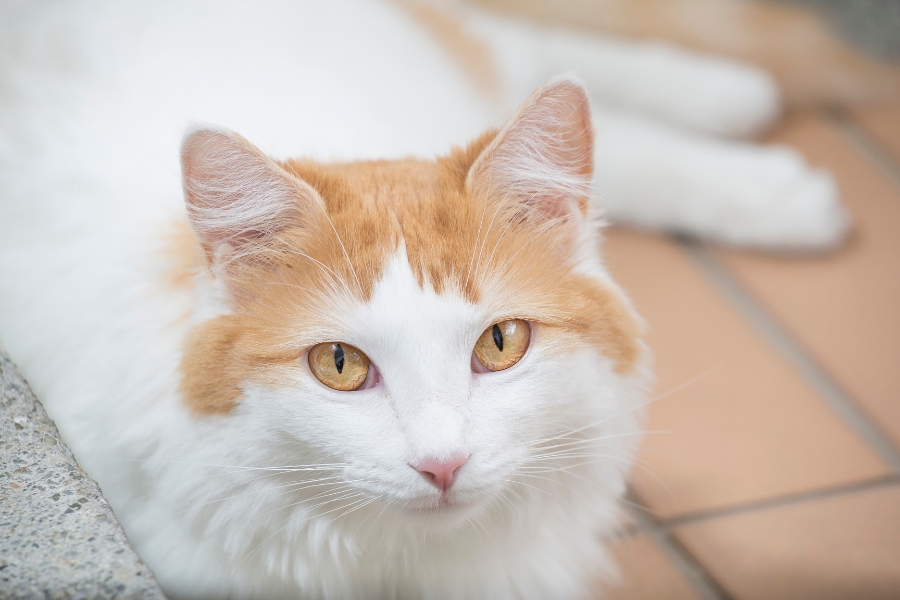
Known for its love of water and seemingly endless energy, the Turkish Van cat can be an ideal companion for active families and individuals. Below, we’ll take a closer look at the traits that make this cat a popular choice among pet lovers.
Turkish Van Cat Characteristics and Behavior
The Turkish Van cat is famous for its soft, dense coat, which is usually white with spots colloquially called “cat markings.” Its distinctive appearance and big personality make it an ideal pet.
These cats are known for being very active and playful. They love exploring their surroundings and are very curious, which means they can be a little mischievous. They also enjoy interacting with people and often follow their owners around the house.
- Friendly with children and other pets
- Highly sociable and enjoys company
- Loves playing in water, which is unusual for many cat breeds
Turkish Van cats can be very loyal. They form strong bonds with their owners and constantly seek their attention. They’re also intelligent and can learn tricks and games.
Origin and History of the Turkish Van Cat
The history of the Turkish Van cat is closely linked to the Lake Van region of Turkey. This breed is considered one of the oldest in the world, with origins dating back thousands of years. It is said that these cats have been guardians of the area for generations.
Turkish Van cats have been mentioned in various legends and stories, which highlight their distinctive coat and ability to swim. This has given them a special place in Turkish culture and made them a symbol of the region.
Over time, this breed began attracting the attention of international breeders, helping it gain popularity around the world. Today, Turkish Van cats are known not only for their appearance but also for their friendly, active nature.
Turkish Van Cat Appearance, Size, and Weight
The Turkish Van is a medium to large cat. Its body is sturdy and muscular, giving it a strong appearance. Its coat is one of its most distinctive features, typically white with spots on the head and tail.
An adult Turkish Van cat’s weight can vary, but it generally ranges from 4 to 9 kg, placing it among the larger cat breeds. Its eyes can range in color from blue to amber, adding a distinctive touch to its appearance.
- Coat: Soft and dense, usually white
- Eyes: Can be blue, amber, or different colors
- Size: Medium to large, with a muscular body
In addition to their physical appearance, Turkish Van cats are known for their energy and agility. They love to jump and play, making them fun, active companions.
Special Care for the Turkish Van Cat
The Turkish Van cat needs special care because of its coat. It’s essential to groom it daily to prevent mats and keep its coat in top condition. Owners should pay special attention to its grooming.
In addition to grooming, it’s important to provide a suitable diet. A diet rich in protein and healthy fats is recommended to help maintain the cat’s energy and health. Consult a veterinarian to determine the best diet for each cat.
- Daily grooming to prevent mats in the coat
- A balanced, protein-rich diet
- Regular exercise to maintain energy and health
Finally, it’s essential to provide an enriched environment. This includes toys, scratching posts, and spaces where they can explore and play. The Turkish Van is a cat that needs mental and physical stimulation.
Health and Common Diseases in Turkish Van Cats
Like any other breed, the Turkish Van may be prone to certain hereditary diseases. It’s important to monitor their health and schedule regular veterinary checkups to help prevent problems.
Some of the more common conditions include heart problems and coat-related issues. Owners should be aware of these possibilities and act quickly if they notice any unusual symptoms.
- Heart conditions
- Skin problems
- Hereditary diseases in general
Preventive care, such as vaccination and parasite control, is essential for this cat’s health. Providing a clean, safe environment will also contribute to their overall well-being.
Where Can You Adopt a Turkish Van Cat?
If you’re interested in adopting a Turkish Van, look for shelters and organizations that specialize in specific breeds. These cats can often be found in shelters that rescue stray cats.
You may also find responsible breeders who offer Turkish Van cats. Be sure to research the breeder’s reputation and confirm that they follow ethical breeding practices.
- Local animal shelters
- Cat rescue organizations
- Responsible, ethical breeders
Remember that adopting a cat is a long-term commitment. It’s important to consider your lifestyle and make sure you can provide the love and care a Turkish Van needs.
What Is a Turkish Van Cat’s Personality Like?
A Turkish Van’s personality is undoubtedly one of its most charming traits. These cats are extremely sociable and love interacting with people. Their curiosity leads them to explore their surroundings, giving them a playful air.
They’re known for being loyal and affectionate with their owners, enjoying company and always seeking attention. This breed is ideal for families with children, as Turkish Vans are usually very patient and tolerant.
What Is a Turkish Van Cat’s Personality Like?
Turkish Van cats are very active and playful. They enjoy playing and feel comfortable in lively environments. They interact constantly with people, making them excellent companions.
What Is the Lifespan of a Turkish Van Cat?
A Turkish Van cat’s lifespan is between 12 and 17 years, although some may live even longer with proper care. Their overall health and lifestyle are key factors in their longevity.
What Is the Legend of the Turkish Van Cat?
The legend of the Turkish Van cat is rooted in Turkish culture. These cats are said to have been considered sacred and to have brought good luck. This belief has contributed to their special status in the Lake Van region, where they originated.