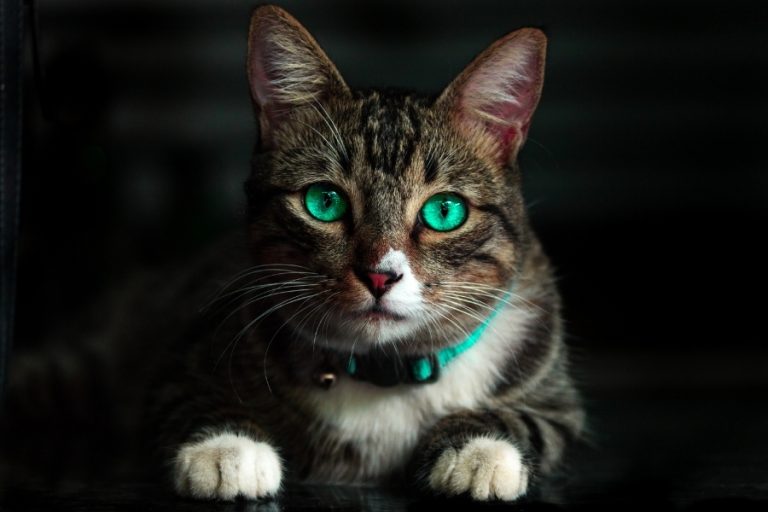
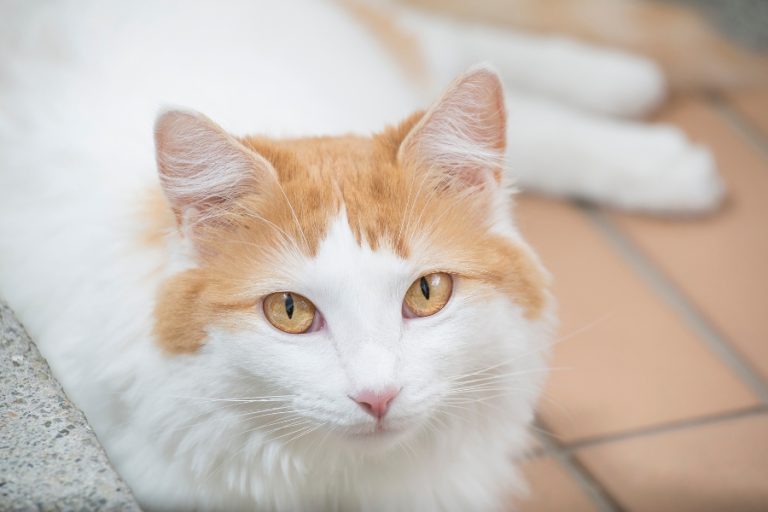
The Birman cat, also known as the Sacred Cat of Burma, is a captivating breed known for its semi-long coat and striking sapphire-blue eyes. Beyond its beauty, this breed is famous for its affectionate, sociable nature. In this article, we’ll explore everything you need to know about this wonderful breed.
From its physical characteristics to its specific care needs, the Birman cat is an ideal choice for anyone looking for a loyal, friendly companion. Let’s delve into the fascinating world of the Birman cat!
What Does a Birman Cat Look Like?
The Birman cat has distinctive physical features that make it easy to recognize. Its coat is semi-long and silky, and comes in a variety of colors, including chocolate, blue, and lilac. One distinguishing feature of the breed is its points, which are darker than the rest of the body.
Blue eyes are another of this breed’s most striking features. Their almond shape gives them a sweet, calm expression. Birman cats also have a sturdy bone structure and strong legs, which give them agility and elegance.
- Semi-long, silky coat
- Points darker than the body
- Blue, almond-shaped eyes
- Sturdy bone structure
- Strong, agile legs
In short, the Birman cat combines beauty and elegance, making it a favorite among cat lovers.
Where Did the Birman Cat Originate?
The history of the Birman cat is steeped in legend and mystery. The breed is said to have originated in Burma, where its cats were considered temple guardians and revered for their beauty and peaceful nature. It is believed that Burmese priests used these cats to protect their sacred lands.
During the 1920s, some of these cats were brought to France, where their popularity began to grow rapidly. Although they arrived in Europe relatively late, they were officially recognized in the 60s, thanks to their distinctive appearance and affectionate nature.
Today, the Birman cat is one of the most beloved breeds worldwide. Its history and connection to Burmese culture give it a special appeal that attracts many enthusiasts.
What Is the Birman Cat’s Temperament Like?
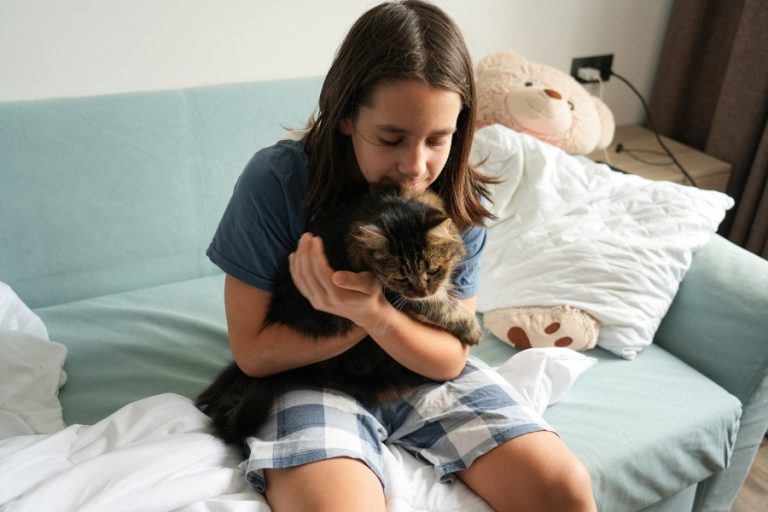
The temperament of the Birman cat is one of its most appealing qualities. Birmans are known for being extremely affectionate and sociable, making them excellent companions for families and single people alike. They enjoy human company, and it’s not unusual to see them follow their owners around the house.
In addition, the Birman cat is playful and curious, which helps it adapt to different environments and lifestyles. Despite their independent nature, these cats also appreciate affection and attention.
- Sociable and affectionate
- Playful and curious
- Adaptable to different environments
- Independent yet affectionate
The Birman cat is perfect for anyone looking for a loyal, loving companion who also enjoys spending time alone.
How Do You Care for a Birman Cat?
Caring for a Birman cat involves paying attention to several areas that are essential to its well-being. First, this breed’s semi-long coat needs regular brushing to prevent tangles and keep it clean and shiny. Brushing at least twice a week is recommended.
When it comes to nutrition, it’s important to provide a balanced diet that includes high-quality protein. Birman cats are prone to certain diseases, so it’s essential to monitor their weight and give them food formulated specifically for their breed.
- Regular coat brushing
- A balanced, controlled diet
- Regular veterinary visits
- Physical and mental stimulation
In addition, the Birman cat needs an enriched environment where it can explore and play. Providing interactive toys and places to climb will help keep it active and happy.
What health considerations should you keep in mind for the Birman cat?
Birman cats are generally healthy, but like any breed, they can be susceptible to certain medical conditions. Some of the more common conditions that can affect a Birman cat include diabetes and heart problems. It’s important to monitor their health and take them to the vet for regular checkups.
Prevention is key. Monitoring your cat’s diet and weight can help minimize the risk of disease. Also, watching for any changes in behavior can help you spot medical problems early.
Finally, vaccination and deworming are essential steps to keep your Birman cat in optimal health. By following these guidelines, you can help ensure your feline companion has a long, healthy life.
How much does a Birman cat cost in Spain?
The price of a Birman cat in Spain can vary depending on several factors, such as the breeder’s reputation and the cat’s bloodline. In general, a Birman cat may cost between 800 and 1,500 euros. Show cats and those with notable pedigrees tend to be at the higher end of this range.
It’s important to do your research and choose a reputable breeder who prioritizes the health and welfare of their cats. A good breeder will provide information about the cat’s medical history and the care it needs to stay healthy and happy.
In addition to the initial purchase price, it’s essential to consider the long-term costs of veterinary care, food, and other supplies the Birman cat will need.
Related questions about the Birman cat
How Long Do Birman Cats Live?
The life expectancy of a Birman cat is usually 12 to 16 years, although some may live longer with proper care. A good diet, veterinary care, and an enriched environment all influence longevity. A healthy lifestyle can go a long way toward helping your cat live a long, happy life.
What Are Birman Cats Like?
Birman cats are known for their affectionate, sociable nature. They are very friendly and get along well with both children and other animals. Their playful, curious behavior makes them ideal companions for families. In addition, their silky coats and blue eyes give them a striking, attractive appearance.
How Long Do Sacred Birman Cats Live?
The average lifespan of a Sacred Birman, or Birman cat, is similar to that of other breeds, ranging from 12 to 16 years. However, some cats may exceed this lifespan with proper care. A good diet, regular veterinary checkups, and a safe environment are key to helping them live longer.
What Do Birman Cats Eat?
Birman cats need a balanced diet that includes protein-rich foods. It's best to offer them high-quality dry or wet food that meets their nutritional needs. It's important to prevent them from becoming overweight and make sure they always have access to fresh water.
Remember that every cat is unique, so it's best to consult a veterinarian to determine the most suitable diet for your Birman cat.