The platypus, a fascinating semiaquatic mammal found in Australia and Tasmania, has intrigued scientists and nature enthusiasts with its unusual appearance and unique traits. One of the animal’s most surprising features is its venom, which has prompted many questions about how dangerous it is and what effects it can have.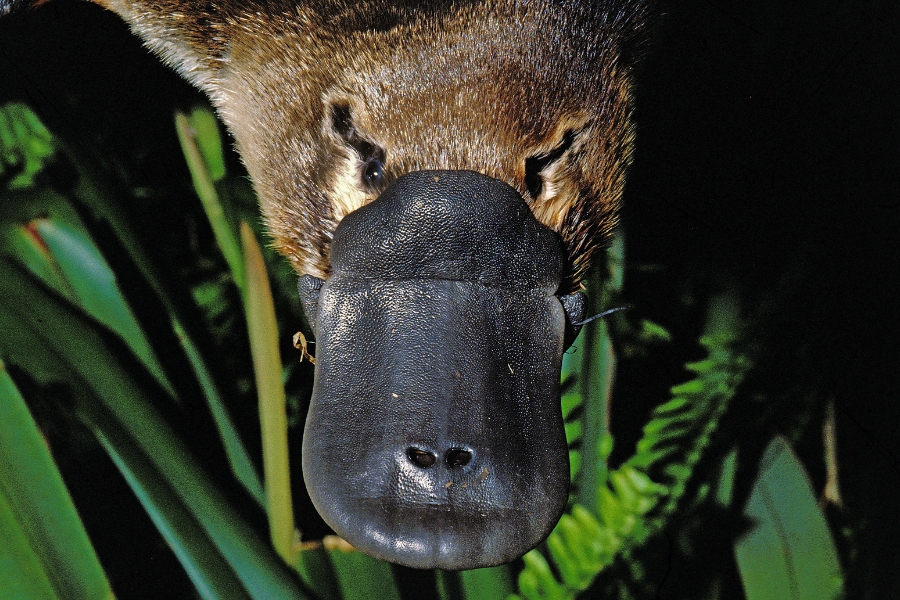
In this article, we’ll take an in-depth look at platypus venom, including whether it can be fatal, its effects on humans, and the conservation status of this unique species.
What Is a Platypus, and Where Does It Live?
The platypus (Ornithorhynchus anatinus) is a semiaquatic mammal found mainly in the rivers and lakes of Australia and Tasmania. This animal is known for its unusual appearance, which combines features of several species: it has a duck-like bill, otter-like feet, and a body covered in dense fur.
It prefers freshwater habitats where it can feed on aquatic invertebrates, such as insects and crustaceans. Its ability to dive makes it an effective hunter, using its bill to detect prey on the bottom of the water.
Despite its adorable appearance, the platypus is adapted to both aquatic and terrestrial environments and is highly territorial in its habitat. However, its population is threatened by urbanization and climate change.
Is Platypus Venom Deadly to Humans?
Platypus venom is a subject of both curiosity and fear. Although its venom can be intense and painful, it is not deadly to humans. Stings from males, the only platypuses with venomous spurs, can cause sharp pain, swelling, and other symptoms, but they are not life-threatening.
The effects of the venom are comparable to those of a bee sting or scorpion sting, causing significant discomfort. However, severe cases are rare and are generally treated with medical care.
So, while the question Is platypus venom deadly? may sound alarming, the answer is that although the pain can be intense, the venom is not usually fatal to humans.
How Does a Platypus Produce Venom?
Platypus venom is produced in glands located in the hind legs, where the spurs are found. During mating season, males may use their venom in territorial fights or in competition for mates.
The venom is released through the spurs when they pierce the skin. It consists of a mixture of proteins and peptides with neurotoxic and anti-inflammatory properties. This means it not only causes pain but can also interfere with the nervous systems of prey.
The ability to produce venom has evolved in some mammal species, challenging the conventional notion that only reptiles and amphibians can be venomous. This makes the platypus a fascinating subject for study in evolutionary biology.
What Are the Effects of Platypus Venom on Humans?
The effects of platypus venom on humans include a range of symptoms that can be very uncomfortable. After a sting, a person may experience:
- Severe pain: The pain begins immediately and can last for days.
- Swelling: Swelling may occur in the affected area, making movement difficult.
- Nausea: Some people have reported stomach upset after contact with the venom.
- Other symptoms: In some cases, allergic reactions or secondary infections have been documented.
The pain is a direct result of the venom and can be severe, sometimes compared to the pain of a fracture or puncture wound. Despite these effects, there are no recorded human deaths attributed to platypus venom.
Is the Platypus a Vulnerable Species?
The platypus faces several challenges in its natural habitat, leading to concerns that it may be a vulnerable species. Urbanization and pollution of rivers and lakes have reduced its populations. Climate change also affects its habitat, altering food supplies and the aquatic ecosystem.
In response to these threats, conservation measures have been proposed to protect this unique species. These efforts include creating conservation areas and community education programs about the platypus’s importance to the ecosystem.
It is crucial to implement effective strategies to ensure the platypus's survival, since its extinction would not only mean the loss of a fascinating species but also an imbalance in its natural habitat.
What Is the Platypus's Taxonomy and Etymology?
The platypus belongs to the family Ornithorhynchidae and is one of the few mammals that lay eggs. Its scientific name, Ornithorhynchus anatinus, comes from Greek and means “bird's bill,” referring to its distinctive duck-like bill.
In terms of classification, the platypus is part of a larger group known as monotremes, which includes other egg-laying mammals such as the echidna. Its unusual reproductive biology and morphology have made the platypus a subject of study in the exploration of mammalian evolution.
The name's etymology reflects the platypus's unique adaptations and characteristics, making it a symbol of Australian biodiversity and a true natural treasure.
Related Questions About Platypus Venom
How Dangerous Is Platypus Venom?
Platypus venom is painful but not lethal to humans. Although it can cause severe symptoms and significant discomfort, cases of severe envenomation are uncommon. Most attacks are resolved with appropriate medical care, meaning that while it can be very uncomfortable, the venom does not cause death in people.
What Happens If a Platypus Stings Me?
If a platypus stings you, you will experience sharp pain in the affected area. You should seek medical attention to relieve the symptoms and prevent complications. Health care professionals can treat the pain and any adverse reactions that may occur as a result of the sting.
What Happens If a Platypus Bites Me?
Platypus bites are rare, but they can cause pain and discomfort similar to a sting. If you are bitten, it is important to clean the wound and see a doctor to make sure there is no infection or other complication.
How Does a Platypus Envenomate You?
A platypus can envenomate you by injecting venom through the spurs on its hind legs. It releases this venom when it feels threatened or in self-defense, causing intense pain to the victim.
In conclusion, although platypus venom is not lethal to humans, it can cause a range of painful and unpleasant symptoms. Conserving and protecting this species is essential to maintaining balance in its ecosystem and ensuring its long-term survival.