Avocados are popular in many diets, but their safety for animals—especially dogs—raises many questions. In this article, we'll examine whether avocados are actually bad for dogs and what to keep in mind if your pet has access to this fruit.
The main concern is the presence of a substance called persin, which can have adverse effects on some animals. Let's take a closer look at this topic.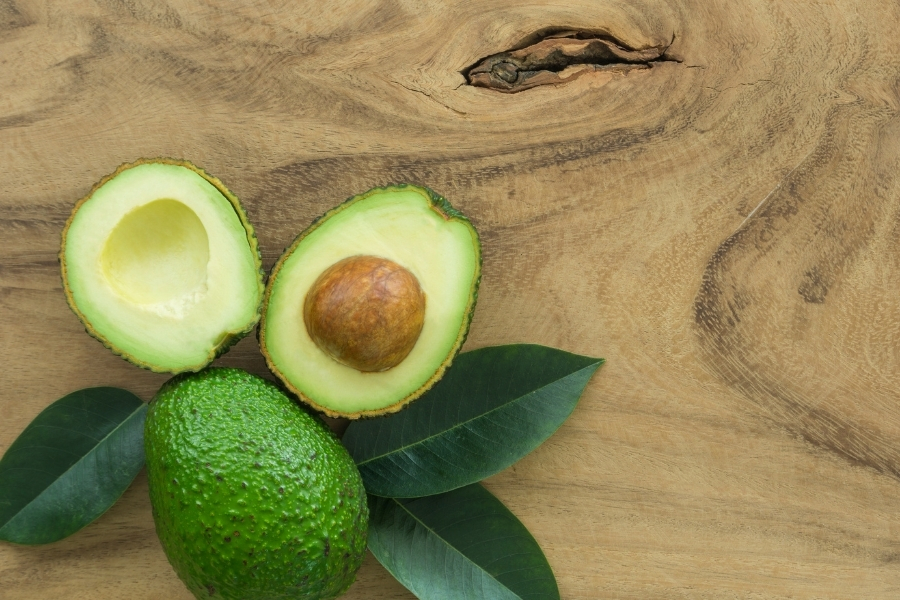
Avocado poisoning in animals
Avocado poisoning is not common in dogs, but it's important to be informed. Avocados contain persin, which can cause adverse reactions in certain species. Although dogs are less likely to experience severe effects, they may develop uncomfortable symptoms.
The risk of poisoning is higher in birds and some mammals. In dogs, eating avocado may cause digestive problems, although the amount needed to trigger symptoms can vary. Pet owners should stay informed about avocado's effects and potential toxicity.
Are avocados bad for dogs?
The question of whether avocados are bad for dogs can be complicated. In general, fresh avocado is not recommended, but there are some nuances to consider. A small bite usually won't cause problems, but it's best to avoid feeding it regularly.
Signs of toxicity may include vomiting and diarrhea. If your dog eats avocado, monitor its behavior and physical condition. If you notice any unusual symptoms, contact a veterinarian right away.
What happens if my dog eats avocado?
If your dog eats avocado, it's essential to proceed carefully. Effects often aren't immediate, and the time it takes for poisoning to develop varies. Watch for symptoms.
Some of the most common symptoms include:
- Vomiting
- Diarrhea
- Stomach upset
- Lethargy
If you notice any of these symptoms, contact your veterinarian. Also, try not to panic; most dogs recover without complications, but veterinary care can be crucial.
Why are avocados bad for dogs?
The main reason avocados may be bad for dogs is persin. This compound is found in different parts of the plant, including the fruit, leaves, and seeds. Although dogs are more resistant than some other animals, persin can still make them sick.
Persin toxicity is more pronounced in birds and certain mammals. In dogs, the effects are less severe, but it's still wise to avoid feeding them avocado. Dogs may also be more susceptible to digestive problems if avocado is given without proper precautions.
Avocado poisoning in dogs
Avocado poisoning in dogs can be managed, but it's important to act quickly. Knowing how much avocado can cause problems is essential. Fresh avocado poses the greatest risk, while some processed products may be safer.
Symptoms of poisoning may appear quickly. Although the severity of the reaction can vary, it's essential to keep track of the foods you eat and share with your pet. Monitoring and care are key to preventing problems.
What is a toxic dose of avocado for dogs?
There is no exact amount of avocado considered safe or toxic for dogs, since reactions can depend on several factors, such as the dog's size and overall health. However, it's best to err on the side of caution.
In general, any amount of avocado should be kept to a minimum. Some experts recommend that if you choose to give your dog avocado, you offer only very small amounts occasionally.
It's also important to keep in mind that sensitivity to persin can vary. Some dogs may tolerate small amounts without any problems, while others may experience adverse symptoms.
Is Avocado Bad for Cats?
Avocado is more dangerous for cats than for dogs. Although both animals may experience digestive problems, cats are more susceptible to persin toxicity.
Therefore, it's best to avoid giving avocado to cats. Symptoms of avocado poisoning in cats may include:
- Vomiting
- Diarrhea
- Lethargy
If you suspect your cat has eaten avocado, it's crucial to consult a veterinarian immediately.
What Other Foods Are Toxic to Dogs?
Besides avocado, several other foods are dangerous for dogs. These include:
- Chocolate
- Onions and garlic
- Grapes and raisins
- Alcohol
- Xylitol (a sweetener)
These foods can cause toxicity and serious problems in dogs. It's essential for owners to learn about the dangers and keep these foods out of their pets' reach.
Related Questions About Avocado Toxicity in Pets
What Foods Are Toxic to Dogs?
Many foods can be toxic to dogs, including chocolate, grapes, and onions. These foods can cause anything from digestive problems to more serious reactions. It's always best to do your research before giving your dog any human food.
What Fruits Should Dogs Avoid?
Besides avocado, other fruits to avoid include grapes and cherries, as they can be highly toxic. It's essential to know which fruits are safe to prevent health problems.
How Long Does Avocado Poisoning Take to Affect Dogs?
The time it takes for poisoning symptoms to appear can vary. Symptoms generally develop within a few hours of ingestion. However, this may depend on the amount eaten and the dog's sensitivity to persin.
Is Avocado Skin Toxic to Dogs?
Yes, avocado skin can also be toxic to dogs. Like the flesh, it contains persin and can cause digestive problems. Therefore, it's best to keep dogs away from all parts of an avocado.
Always consult a veterinarian if you have questions about your dog's diet and the risks associated with certain foods. Your pet's health should always be the priority.