Camels and dromedaries are two iconic desert animals known for their resilience and adaptability. However, they are often confused because of their similarities. This article explores the differences between a camel and a dromedary, covering key aspects of their biology, habitat, and behavior.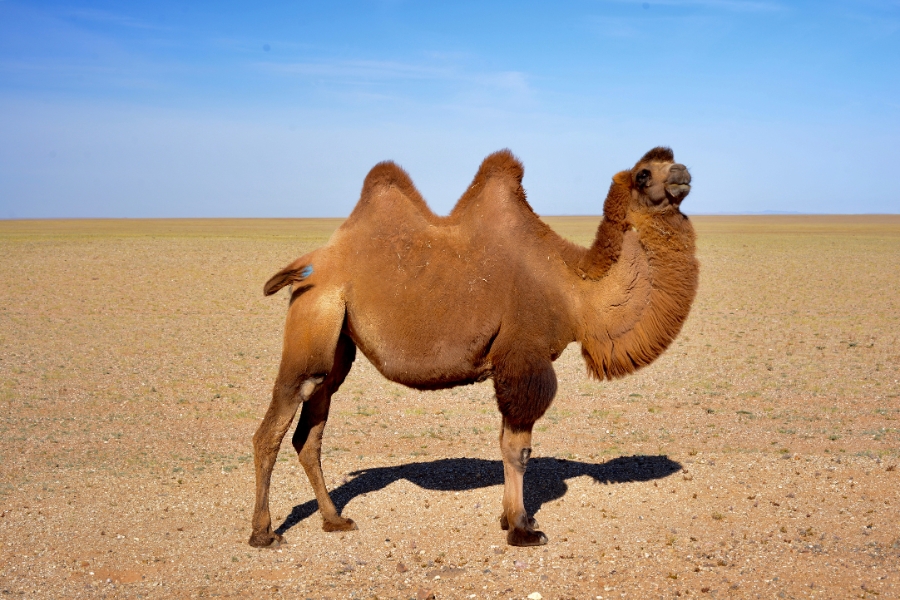
What is the difference between a camel and a dromedary?
The most noticeable difference between a camel and a dromedary is the number of humps they have. Bactrian camels have two humps, while dromedaries have only one. This feature is not merely cosmetic; each hump has specific functions related to adapting to the environment.
Camels are also generally more robust and adapted to cold climates, while dromedaries are suited to hot climates. This is because dromedaries have a more efficient thermoregulation system, which allows them to survive in arid deserts. Their body shapes also differ: dromedaries are taller and more slender, while camels are shorter and more compact.
In terms of behavior, camels tend to be calmer and more docile than dromedaries, which can be more temperamental. These differences are important for anyone who wants to better understand these animals and their role in the culture and economy of the regions where they live.
How many humps do camels and dromedaries have?
As mentioned above, the main difference is the number of humps. Bactrian camels have two humps, which store fat. This fat is vital for survival in extreme conditions because it can be converted into energy when food is unavailable.
By contrast, dromedaries have a single hump that serves the same function. The amount of fat stored in the humps can vary depending on the animal’s health and nutritional status. During periods of scarcity, a hump can shrink considerably.
These humps do more than store energy; they also help regulate the animal’s body temperature. In hot climates, the fat acts as insulation, while in cold climates, stored fat provides warmth.
Where do camels and dromedaries live?
Camels and dromedaries live in different habitats suited to their needs. Bactrian camels are native to Central Asia, where they live in cold desert regions such as the Gobi Desert. These camels have developed adaptations that allow them to survive extreme temperatures, both hot and cold.
By contrast, dromedaries originated on the Arabian Peninsula and are found mainly in the hot deserts of the Middle East. They prefer arid climates and can tolerate high temperatures without water for long periods.
Both species can become dehydrated without suffering harm, allowing them to survive in their respective environments. However, camels are more resistant to cold because of their thick coat.
What climate adaptations do camels and dromedaries have?
Both camels and dromedaries have developed unique climate adaptations that allow them to survive in extreme environments. For example:
- Temperature regulation: Dromedaries have a highly efficient thermoregulation system that allows them to maintain their body temperature in hot climates.
- Fat storage: Both species store fat in their humps, which can be converted into energy and water.
- Resistance to dehydration: They can lose up to 25% of their body weight in water without suffering serious problems.
- Foraging ability: They can find food and water in arid conditions, allowing them to survive where other animals could not.
These adaptations are essential not only for their survival but also for their interactions with the surrounding ecosystem. For example, camels help disperse the seeds of the plants they eat.
Are camels smaller than dromedaries?
In general, camels are considered smaller than dromedaries. An adult dromedary can reach a height of up to 2.1 meters, while a Bactrian camel is usually between 1.8 and 2 meters tall. However, size can vary depending on factors such as diet and environment.
Camels tend to be more robust and heavier, which makes them more resilient in cold climates. This difference is due to their bone and muscle structure, which is adapted to carrying loads over difficult terrain.
Dromedaries, on the other hand, are slimmer and lighter, which allows them to move quickly through the desert. This agility is an advantage when searching for food or escaping predators.
How Do Camels and Dromedaries Behave?
The behavior of camels and dromedaries also differs significantly. Camels are generally calmer and have a more docile disposition. They socialize in groups and display cooperative behaviors, which helps them survive in their environment.
Dromedaries, by contrast, can be more temperamental and less predictable. They tend to behave more aggressively, especially under stress or during mating season. This difference in behavior can affect their domestication and how humans treat them.
Both animals also have a rich system of communication that includes vocalizations, body postures, and facial expressions, allowing them to interact with one another and express emotions.
What Is the Conservation Status of the Wild Camel?
The wild camel, also known as the Bactrian camel, is endangered due to habitat loss and hunting. Although it once inhabited vast areas of Central Asia, its population has declined dramatically in recent decades.
The main threats to its conservation include:
- Habitat destruction: Urban development and agriculture have significantly reduced its living space.
- Poaching: Illegal hunting for meat and hides has also contributed to its decline.
- Competition with livestock: The introduction of domestic livestock into its habitat has led to competition for limited resources.
It is essential to implement conservation measures to protect this species and ensure its future survival.
Related Questions About the Differences Between Camels and Dromedaries
What Is the Difference Between a Camel and a Dromedary?
The most significant difference between a camel and a dromedary is the number of humps. The Bactrian camel has two, while the dromedary has only one. This physical feature is key to understanding their adaptations and habitats. Camels are also more resistant to cold climates, while dromedaries are better adapted to hot, arid climates.
What is the difference between a camel with 1 hump and a camel with 2 humps?
The main difference lies in the type of camel. A one-humped camel is a dromedary, adapted to hot climates, while a two-humped camel is a Bactrian camel, found in colder areas. Both have different adaptations that allow them to survive in their respective habitats.
Why does a camel have two humps?
A Bactrian camel’s two humps act as fat reserves. This fat is converted into energy and water when the animal has no access to food. The humps are also essential for regulating body temperature, allowing these camels to survive in cold climates.
What is a female camel called?
A female camel is called a she-camel. As in other animals, female camels are responsible for raising their young, known as camel calves. These females are essential to reproduction and the stability of camel populations.