Wasps are fascinating insects that play a crucial role in our ecosystem. In this article, we’ll explore the question How long do wasps live? and look at their life cycle, especially in summer, when they’re most visible.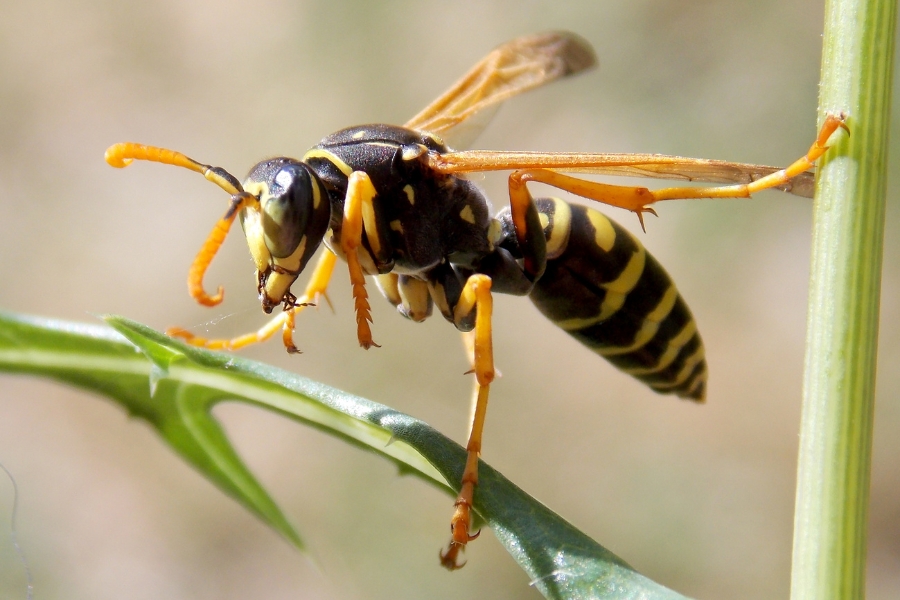
Throughout the year, wasps go through different life stages and face various conditions that affect their longevity. From reproduction to behavior in their natural habitat, each aspect is essential to understanding their ecology.
How long do wasps live?
A wasp’s lifespan varies considerably depending on its role in the colony. Worker wasps, which are responsible for finding food and protecting the nest, usually live between 12 and 22 days. Queens, on the other hand, have a longer life cycle and can live for up to a year or more, especially if they survive the winter.
It’s interesting to note that males have even shorter lives, as they usually die soon after fulfilling their reproductive role. This variation in lifespan is a crucial part of their life cycle.
How long do wasps live when trapped?
When wasps are trapped, such as in an enclosed space after a run-in, their lifespan may be affected. Wasps can live for between 5 and 10 days in an enclosed environment, depending on factors such as food availability and temperature.
If being trapped prevents them from accessing food, their lives are significantly shortened. A lack of interaction with other colony members can also affect their well-being, causing stress that reduces their chances of survival.
How long can wasps live without food?
A lack of food is a critical factor that can affect a wasp’s lifespan. Without food, wasps may survive for only a few days. They generally need a regular intake of nutrients to maintain their energy and vital functions.
One study has shown that when food is scarce, worker wasps are most affected, while queens may survive longer because of their ability to store energy. Access to food sources such as nectar and other insects is vital to these creatures’ longevity.
Where do wasps live?
Wasps live in a variety of environments, from urban areas to forests and fields. Their choice of habitat is influenced mainly by the availability of food and safe places to build their nests.
- Nests in trees: Many wasps build their nests on tree branches, where they are protected from predators.
- Openings in houses: Some species seek shelter in human-made structures, which can lead to unwanted encounters.
- Natural environments: Wasps also thrive in fields and meadows, where they can easily find food and materials for their nests.
The variety of habitats allows wasps to adapt to different climatic and food conditions.
What factors threaten a wasp’s lifespan?
There are several factors that can shorten a wasp’s life. These include:
- Predators: Birds and other animals, such as spiders, can prey on wasps, affecting their population.
- Weather conditions: Extreme temperatures, both hot and cold, can be harmful to their survival.
- Food scarcity: A lack of food sources is one of the main reasons wasps may die prematurely.
These factors contribute to wasp population dynamics and their interactions with the environment.
How Long Does an Asian Hornet Live?
The Asian hornet, or Vespa velutina, is known for being larger and more aggressive than other species. Its lifespan varies, but queens can live for up to 1 year, while workers live for approximately 20 to 40 days.
This life cycle is crucial to the establishment of new colonies, as queens seek shelter during the winter to start a new colony in the spring. The spread of the Asian hornet has raised concerns about its impact on bee populations and other pollinators.
At What Temperature Do Wasps Die?
Wasps are very sensitive to extreme temperatures. They are generally considered to start dying when temperatures fall below 10°C. In extreme cold, their metabolism slows down, and they eventually cannot survive.
Similarly, very high temperatures can also be lethal. Wasps can suffer from dehydration and heat stress in intense heat.
Related Questions About the Wasp Life Cycle
What Happens to Wasps in Winter?
During winter, wasps face harsh conditions that affect their survival. Generally, queens are the only ones that survive, seeking shelter in protected places to hibernate. Workers and males die when cold weather arrives because they cannot survive without food and warmth.
The queen enters a dormant state, during which her metabolism slows significantly, allowing her to conserve energy until early spring. This cycle ensures the colony can continue when weather conditions improve.
Where Do Wasps Sleep?
Wasps seek shelter in safe places to sleep. They generally settle in nests they build in trees or human-made structures. At night, they may stay in their nests, where they are protected from predators and harsh conditions.
Some species may also take shelter in tree cavities or cracks in buildings. Choosing the right location is vital to their safety and survival.
Why Aren’t There Wasps at Night?
Wasps are diurnal insects, which means they are most active during the day. At night, their activity decreases, and they tend to stay in their nests. The main reason is that temperatures drop at night, and darkness makes them more vulnerable to predators.
In addition, foraging is much less effective in the dark, making nighttime inactivity a survival strategy.
What Purpose Do Wasps Serve?
Wasps play essential ecological roles in their habitats. Their main function is pollination: they consume nectar and also help control populations of other insects. However, their life cycle ends with the death of workers and males at the end of the season.
Queens are the only ones that survive the winter, ensuring that new colonies can begin in the spring. The death of wasps, though tragic, is part of the natural cycle that allows the ecosystem to renew itself.
In short, the lives of wasps are fascinating and complex, and many factors affect their lifespan. By understanding how long wasps live, we can better appreciate their role in the environment and the importance of their conservation.