Adopting a dog can bring immense joy and companionship, especially for older adults. However, there are several important factors to consider to ensure that both the dog and their new owner enjoy a happy, healthy relationship. Here are some key points to keep in mind:
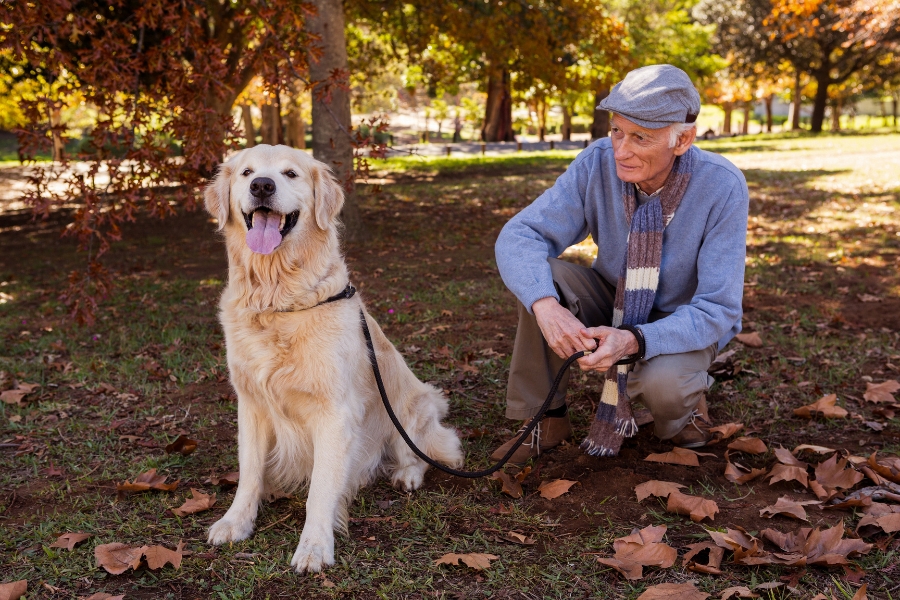
Assessing the Dog’s Energy and Activity Level
- Energy level: Dogs vary greatly in their energy levels and exercise needs. Older adults should consider breeds that match their own activity level. For example, breeds such as the French Bulldog, Shih Tzu, and Pug are generally less active and may be a better fit for someone with a more relaxed lifestyle. Highly active dog breeds typically need plenty of exercise and mental stimulation to stay healthy and happy. They are ideal for people with an active lifestyle who can make time for vigorous daily physical activity. Examples of active dogs include Border Collies, Australian Shepherds, Jack Russell Terriers, Siberian Huskies, and Dalmatians.
Long-Term Commitment
- Dog’s life expectancy: It’s important to remember that dogs can live up to 15 years or more, which means adopting a dog is a long-term commitment. Older adults should consider their age and future health when making this decision.
Health Considerations
- Veterinary care: Dogs need regular veterinary visits, vaccinations, deworming, and other medical care. It’s essential to consider whether you have the physical and financial ability to meet these needs.
Financial Costs
- Associated costs: In addition to the initial adoption or purchase costs, dogs require ongoing spending on food, medical care, supplies, and possibly pet sitters or dog walkers. It’s crucial to make sure these expenses fit your budget. The monthly cost of caring for a dog can vary significantly depending on the dog’s size, health, and breed-specific needs. Here’s an approximate breakdown of average costs by size:
Small Dogs (such as Chihuahuas, Pugs, etc.)
- Food: Approximately 20 to 40 euros per month, depending on the food’s quality.
- Veterinary care: Routine veterinary expenses include vaccinations, checkups, and deworming, which can cost between 20 and 50 euros per month, assuming there are no preexisting health conditions.
- Supplies and care: This includes toys, beds, grooming, etc., and can range from 10 to 25 euros per month.
- Approximate total: 50 to 115 euros per month.
Medium-Sized Dogs (such as Beagles, Bulldogs, etc.)
- Food: It can cost between 40 and 60 euros per month.
- Veterinary care: Costs for routine visits may be similar to those for small dogs, but some medium-sized breeds may have specific health problems that increase these costs.
- Supplies and care: This can range from 15 to 30 euros per month.
- Approximate total: 75 to 140 euros per month.
Large Dogs (such as Labrador Retrievers, Golden Retrievers, etc.)
- Food: Large dogs need more food, so costs can range from 60 to 100 euros per month.
- Veterinary care: Costs may increase because of the dog’s size, especially if treatment is needed for conditions common in large breeds, such as hip dysplasia.
- Supplies and care: These expenses may also be higher, ranging from 20 to 40 euros per month.
- Approximate total: 100 to 190 euros per month.
Additional factors to consider:
- Pet insurance: Insurance can cost between 20 and 50 euros per month and may help cover unexpected health care costs.
- Medical emergencies: Emergencies can be costly and are unpredictable. It is a good idea to have an emergency fund or consider pet insurance.
- Licenses and microchips: Some municipalities require a license to own a dog, and a microchip is a one-time investment that costs between 20 and 50 euros.
It is important to remember that these are average costs and may vary depending on the region, the availability of products and services, and each dog's specific health needs. In addition, preventive care, such as a good diet and regular exercise, can help reduce veterinary costs over the long term.
Support and help
- Support network: Older adults should consider whether they have a support network, such as family or friends, who can help care for the dog if they are temporarily unable to do so themselves.
Suitable home and environment
- Adequate space: It is important for the home to be suitable for a dog, taking into account both the animal's size and the space available. Some housing communities also have restrictions on pet ownership.
The dog's temperament
- Compatibility: Some dogs are more independent, while others need a lot of attention and affection. Choosing a dog whose temperament is compatible with the adopter's is essential for a harmonious relationship.
Trial period
- Trial period: If possible, spending some time with the dog before adoption can help ensure that the dog is a good fit for the older adult's lifestyle and abilities.
In conclusion, adopting a dog later in life can greatly enrich a person's life by providing companionship, love, and a sense of purpose. However, it is vital to make an informed decision that takes into account all the practical and emotional factors involved. Doing so can help ensure that both the dog and its owner enjoy many happy years together.