Eel reproduction has intrigued scientists and biologists for decades. The European eel (Anguilla anguilla) has a life cycle full of mysteries, especially when it comes to reproduction. One of the most fascinating aspects is its migration to the Sargasso Sea, a journey that triggers the reproductive process in these creatures.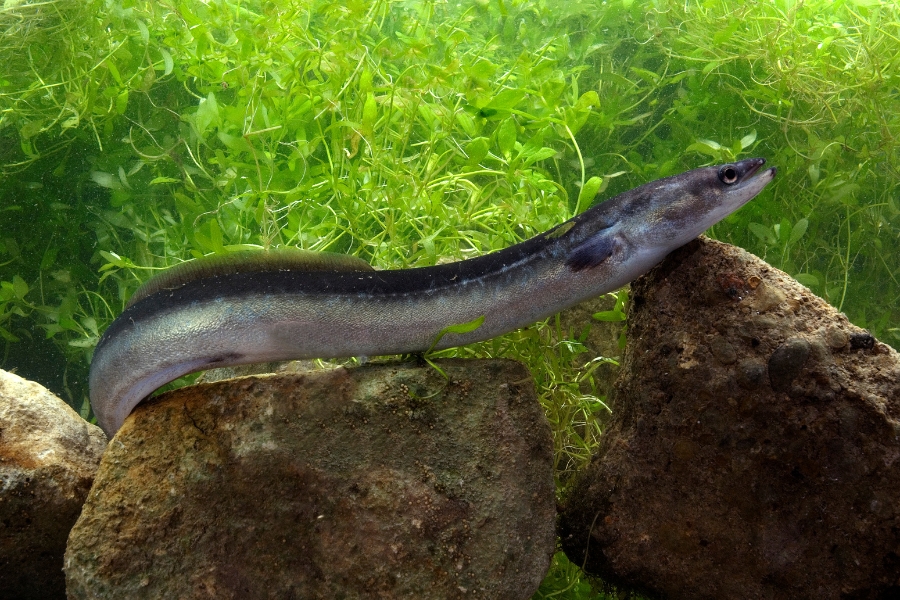
Understanding how eels reproduce is crucial not only to the biology of this species but also to its conservation, as it is currently critically endangered. Below, we’ll explore this complex process in detail.
How do eels reproduce?
The reproductive cycle of eels is unique and challenging to study. Eels migrate thousands of miles from inland waters to the Sargasso Sea, where they are believed to reproduce. Along the way, they overcome numerous obstacles and ocean currents, demonstrating their extraordinary endurance.
During reproduction, females release their eggs into the water, while males release their sperm. This process of external fertilization occurs without physical contact between the sexes and is one of the factors that make the reproductive cycle difficult to observe. Afterward, both females and males die, completing a cycle full of sacrifice.
Fertilized eggs develop into larvae known as leptocephali, which then travel toward Europe, where they eventually become adult eels. This metamorphosis can take several years, during which the larvae must continually adapt to new environmental conditions.
Why are eels endangered?
European eels face multiple threats that have brought them to a critical state. The main threats include overfishing, habitat destruction, and climate change. Overfishing has decimated their populations, while man-made obstacles such as dams have disrupted their migration to the Sargasso Sea.
In addition, climate change affects ocean temperature and salinity, disrupting their life cycle. Water pollution also contributes to declining populations, as eels are particularly vulnerable to pollutants. Together, these factors have made eel conservation an urgent priority.
What are the stages of eel reproduction?
The European eel’s reproductive cycle is divided into several key stages. The first is migration to the Sargasso Sea, a journey that can take years. During this journey, eels seek suitable conditions for reproduction.
Once in the Sargasso Sea, eels reach sexual maturity, and the females and males prepare to reproduce. The critical stage is spawning, when the eggs are fertilized in the water. After this process, the eggs develop into larvae, which begin their journey back to Europe.
- 1. Migration to the Sargasso Sea
- 2. Sexual maturity
- 3. Spawning and fertilization
- 4. Development into larvae (leptocephali)
- 5. Return to Europe
Where do eels reproduce?
As mentioned above, eels reproduce in the Sargasso Sea. This area of the Atlantic is unique because of its warm waters and favorable environmental conditions, making it an ideal spawning site for eels. However, the exact location where reproduction occurs remains an active area of research.
Eels are drawn by ocean currents and features that help them reach their reproductive destinations. Their migration to the Sargasso Sea is an epic journey that can span more than 5,000 miles, highlighting these creatures’ endurance and instinct.
When do eels reach sexual maturity?
Sexual maturity in eels can vary significantly depending on factors such as sex, environment, and diet. In general, females tend to reach maturity between 6 and 12 years of age, while males may take a little longer, reaching maturity between 8 and 20 years of age. This wide range is due to differences in their habitats and living conditions.
Sexual maturity is essential to the eel life cycle because it determines when they are ready to migrate and reproduce. This critical stage highlights the importance of preserving the environment and conditions needed to ensure the species’ survival.
How Are Eels Born?
Eels hatch from eggs fertilized in the Sargasso Sea. The eggs develop into larvae known as leptocephali, which are transparent and flat. This shape allows them to float and travel with ocean currents, helping them make their way to the coasts of Europe.
The process of eel hatching and development is fascinating: the larvae can take up to three years to reach the coasts of Europe. During this time, they undergo multiple changes and metamorphoses before becoming juvenile eels known as glass eels.
What Do We Know About the European Eel’s Life Cycle?
The European eel’s life cycle is a complex journey that spans several stages, from spawning to sexual maturity. Research into these cycles has shown that many aspects of their lives remain a mystery, making this a fertile field for scientific research.
The European eel has a life cycle that includes long migrations and significant changes in morphology. Each stage, from larva to adult eel, is influenced by environmental factors that affect its development and habitat.
The dramatic decline in eel populations has drawn greater attention to their conservation and the need to preserve their habitat. Conservation initiatives aim to protect not only eels but also the ecosystems they inhabit, recognizing that eel reproduction and life cycles are essential to the overall health of marine environments.
Related Questions About Eel Reproduction
How Do Eels Reproduce?
Eels reproduce through a process called external fertilization. Females release their eggs and males release their sperm into the water without physical contact. This is a critical part of their life cycle, and both sexes die after spawning, completing their biological cycle.
How Do Eels Mate?
Eels do not mate in the traditional sense. Fertilization takes place in the water when females and males release their gametes simultaneously, allowing the eggs to be fertilized in the ocean. This happens on a large scale, helping ensure the species’ survival.
How Do Eels Have Offspring?
Eels have offspring when eggs fertilized in the Sargasso Sea develop into larvae known as leptocephali. These larvae float in ocean currents and eventually migrate toward the coasts of Europe, where they develop into adult eels.
Where Do Eels Lay Their Eggs?
Eels lay their eggs in the Sargasso Sea, an area of the Atlantic Ocean that provides suitable conditions for spawning. This process is an integral part of their life cycle and is crucial to the species’ survival.