Giraffes have always fascinated people, not only because of their height but also because of their intriguing traits and behaviors. Their sleeping habits are especially fascinating, and many people wonder, how do giraffes sleep?. In this article, we’ll explore the sleep patterns of these majestic animals and uncover some interesting facts about how they rest.
The Unusual Sleeping Habits of Giraffes
Imagining an animal nearly 6 meters tall trying to find a comfortable sleeping position is certainly amusing. Giraffes sleep between 2 and 4 hours a day, in short bursts. This limited need for sleep is an evolutionary adaptation to their environment, shaped by the constant threat of predators and the need to keep feeding frequently.
Wild giraffes have developed a napping pattern that allows them to recharge without letting their guard down. During these brief rests, which usually last no more than ten minutes, they may remain standing or sometimes lie down slightly, always ready to get up at the first sign of danger.
The sleep patterns of these herbivorous mammals also reflect their physiological needs. Despite their size, giraffes have relatively small hearts, and standing upright promotes blood circulation while they rest.
How Do Giraffes Sleep?
Giraffes have some of the shortest sleep periods in the animal kingdom, and they are often seen resting while standing. Some studies suggest that during these brief naps, a giraffe may keep half of its brain active while the other half rests. This ability, known as unihemispheric sleep, allows them to stay ready to react to the presence of a predator.
When a giraffe lies down, it does so carefully, folding its legs beneath its body and sometimes curling its neck back so it can rest its head on its own back. Although this posture may look uncomfortable, it leaves the animal less vulnerable.

Even so, the length of a giraffe’s sleep is short. Giraffes can function and stay healthy with these brief periods of rest, which continues to amaze scientists and nature lovers.
Why Do Giraffes Sleep Standing Up?
The main reason giraffes sleep standing up is safety. This position allows them to get up quickly and flee if threatened by a predator. In addition, giraffes need to sleep standing up because getting up and lying down is difficult with such a large, heavy body.
Another reason for this unusual behavior is energy efficiency. Lying down and getting back up takes a significant amount of energy—something giraffes, whose diet consists of high-up leaves with little caloric value, cannot afford to waste.
These sleeping habits of giraffes have been refined over millions of years of evolution, helping them survive in environments where every second counts.
How Many Hours Do Giraffes Sleep?
Unlike humans, giraffes don't need to get many hours of sleep. On average, they rest for 2 to 4 hours a day, divided into short naps. This sleep pattern allows them to stay active for most of the day and night, which is vital for feeding and survival.

Young giraffes tend to sleep more than adults and are more likely to lie down, since their smaller size makes it easier and quicker for them to get back up. As they grow, however, they gradually adopt the typical sleep pattern of adults.
Despite sleeping so little, giraffes show no signs of fatigue or exhaustion. This phenomenon has led the scientific community to reconsider what is known about mammals' sleep needs.
What Position Do Giraffes Sleep In?
Giraffes sleep in different positions. As mentioned earlier, they spend most of their time sleeping while standing, but they can also rest lying down. When they choose this position, they fold their legs beneath their bodies and may or may not bend their necks backward to rest their heads.
Sometimes, young giraffes lie all the way down and stretch their legs forward or keep them bent. Although this position leaves them more vulnerable, it is more common among giraffes in a controlled environment or those that feel especially safe.
One of the interesting facts about giraffes' sleep is that even when lying down, they remain partially alert. This allows them to react quickly to any sign of danger.

More Interesting Facts About Giraffes
- Giraffes have a 360-degree field of vision, allowing them to keep an eye on their surroundings while resting.
- Their dark-colored tongues can grow up to 45 centimeters long and help them reach the freshest leaves at the tops of trees.
- The structure of their legs and the way they walk give them great speed and stability, which is crucial for escaping predators.
- Although they are not very vocal, giraffes communicate using low-frequency sounds, some of which are inaudible to humans.
Other Animals That Sleep Standing Up
Giraffes aren't the only animals that sleep standing up. Many animals, especially those that need to stay alert to the presence of predators, have developed this ability. Horses, elephants, and some types of birds can also rest in this position. However, giraffes are perhaps best known for this behavior because of their unusual anatomy and size.
Some Interesting Facts About Giraffes
Giraffes are full of surprises. For example, they have a huge heart that weighs about 11 kilograms and is needed to pump blood up their long necks to their brains. Also, because of their height, giraffes have a system of valves in the veins of their legs that prevents too much blood from pooling when they lower their heads to drink water.
Each giraffe's spots are unique, much like our fingerprints. These patterns serve not only as camouflage but also help with thermoregulation.
Giraffes are selective eaters and prefer acacia leaves, which are rich in nutrients and water, allowing them to go long periods without drinking.
Frequently Asked Questions About Giraffes' Rest and Sleeping Habits
How Do Giraffes Sleep?
Giraffes sleep mainly while standing, although they may occasionally lie down. When they sleep standing up, they usually keep their eyes closed and remain lightly alert, allowing them to wake quickly if needed.
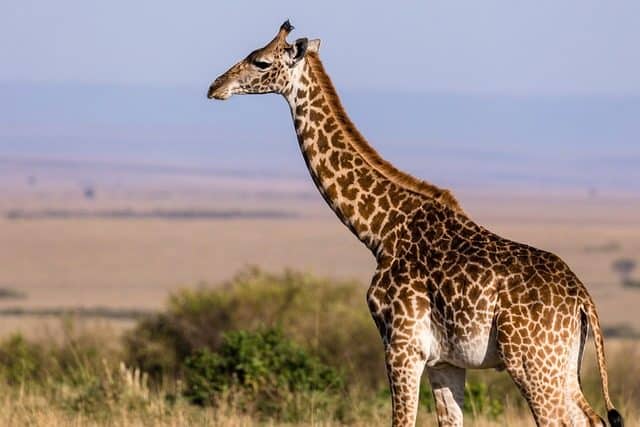
Giraffes take many short naps throughout the day and night, ensuring they are always ready to defend themselves or flee if danger arises.
Why Do Giraffes Sleep Standing Up?
Giraffes sleep standing up mainly for safety. This position allows them to react quickly to possible threats and minimizes the time and effort it would take to get up if they were lying down.
In addition, their bodies are built to withstand long periods in this position without fatigue or discomfort.
What Do Giraffes Do at Night?
At night, giraffes behave much as they do during the day. They continue feeding and remain alert to possible predators. Although their night vision is not as sharp as their daytime vision, their ability to detect movement and sensitivity to ground vibrations help keep them safe.
Giraffes also take advantage of the calm of night to enjoy longer periods of rest, though they still follow the pattern of short naps that characterizes their sleep cycle.

To learn more about these fascinating animals, watch the following video showing how giraffes rest in their natural habitat:
Giraffes are truly remarkable creatures, surprising us with their adaptability and the mysteries surrounding their sleeping habits and lifestyle. From their impressive height to their remarkable efficiency at resting, giraffes continue to fascinate us and teach us about the incredible diversity of the animal kingdom.