When a mother rejects her young or dies shortly after giving birth, the newborns' chances of survival drop significantly without prompt, appropriate care. Whether they are puppies, kittens, or baby rabbits, these animals are extremely vulnerable during their first few days of life, but with proper care, you can help them survive.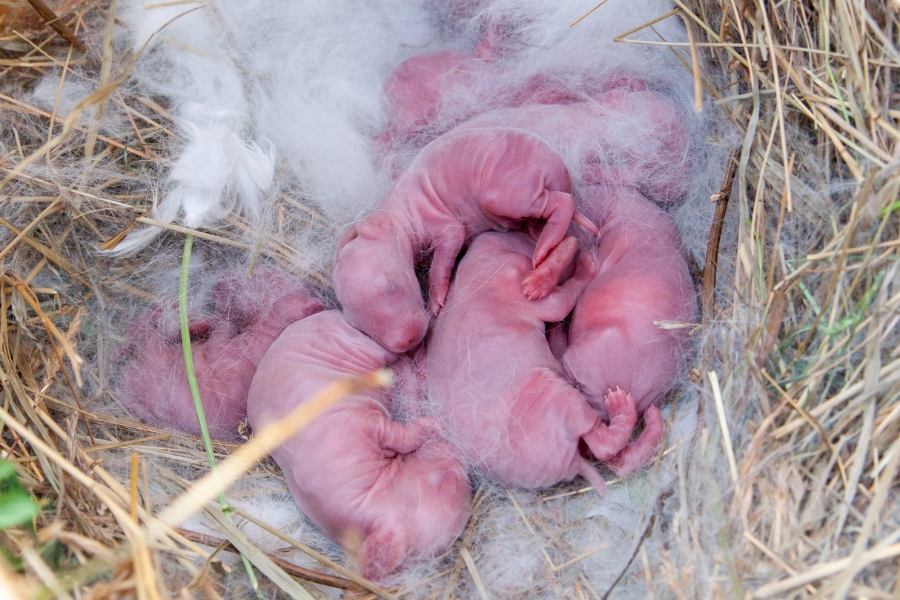
In this article, you'll learn how to care for them without their mother, including feeding, temperature, stimulation, warning signs, and common mistakes to avoid.
Understanding their basic needs
Newborns have three essential needs:
-
Consistent warmth
-
Appropriate, frequent feeding
-
Stimulation to urinate and defecate
They cannot regulate their body temperature, feed themselves, or survive without depending entirely on their caregiver.
Maintaining body temperature
Newborns should be kept at a consistent temperature between 30 and 35°C during their first few days.
How to do it:
-
Use a heating pad, hot water bag, or bottle filled with warm water, always wrapped in a towel.
-
Place the animals in a padded box or carrier away from drafts.
-
Don't place them directly on cold or hot surfaces.
-
Make sure they don't overheat. Too much heat can also be dangerous.
Important: Never feed a puppy, kitten, or rabbit if it's cold. Warm it up first.
Feeding orphaned young
Puppies:
-
Use puppy milk replacer (not cow's milk).
-
Recommended brands: Royal Canin BabyDog Milk, Beaphar Puppy Milk.
-
Feed with a bottle or needle-free syringe every 2-3 hours (including overnight) for the first 10 days.
-
Amount: Follow the package instructions based on weight.
Kittens:
-
Use kitten milk replacer.
-
Brands: KMR Kitten Milk, Vetylac Gato.
-
Feed every 2-3 hours.
-
If the kitten won't suckle, you can use a syringe very slowly.
Baby rabbits:
-
Rabbit's milk is very rich; use kitten milk replacer with a small amount of cream or goat's milk as a substitute.
-
They are fed only 2 times a day (morning and evening).
-
Very important: Do not force-feed milk, as they can easily choke.
Warning: Never give them cow's milk. It can cause diarrhea, bloating, and death.
Stimulating urination and defecation
Until they are 3 weeks old, puppies and kittens cannot eliminate on their own.
What to do:
-
After each feeding, dampen a cotton ball or piece of paper with warm water.
-
Gently rub the anal and genital area.
-
The animal should urinate and/or defecate within a few seconds.
-
This is usually unnecessary for baby rabbits, but if you don't see any droppings, you can consult a veterinarian.
Hygiene and environment
-
Change the bedding daily.
-
Always keep their sleeping area dry.
-
Don't bathe them. If they get dirty, use a warm, damp cloth.
-
Don't use strong cleaning products near them.
Veterinary care
-
Take them to a veterinarian for a general health check.
-
They can be dewormed with gentle products starting at 15 days old.
-
Vaccination for puppies and kittens begins at 6-8 weeks of age.
-
In some regions, rabbits are vaccinated starting at 4-6 weeks of age.
Development by species
Dogs:
-
They open their eyes between 10 and 14 days old.
-
They start walking at 3 weeks old.
-
They begin weaning at 4 weeks old.
Cats:
-
They open their eyes between 7 and 10 days old.
-
At 3-4 weeks old, they explore and use the litter box.
-
Weaning also begins at around 4 weeks of age.
Rabbits:
-
They open their eyes between 9 and 12 days old.
-
They start moving around between 10 and 15 days old.
-
Weaning happens later, between 4 and 6 weeks of age.
Weaning and transition to solid food
-
Starting at 4 weeks of age, introduce soft food or specially formulated kibble soaked in water (depending on the species).
-
Always provide clean, fresh water once they start moving around.
Warning signs
Consult a veterinarian if:
-
They refuse milk or don't suckle.
-
They have diarrhea, bloody stools, or very watery stools.
-
They vomit or have difficulty breathing.
-
They cry constantly or seem very weak.
-
They aren't gaining weight.
Can They Be Raised Without Siblings?
Yes, but if possible, it's best to keep them with at least one other puppy or kitten to prevent isolation and socialization problems. If they're an only one, give them plenty of contact, gentle stimulation, and affection, especially from the third week onward.
Raising a newborn without its mother takes time, dedication, and constant monitoring, but it can be done successfully by following the right steps. The key is to imitate the mother's role as closely as possible by providing warmth, food, and stimulation. Each species has its own needs, so learning about them and consulting a veterinarian are essential.
Saving a vulnerable life can be difficult but deeply rewarding. Your efforts can make the difference between life and death.