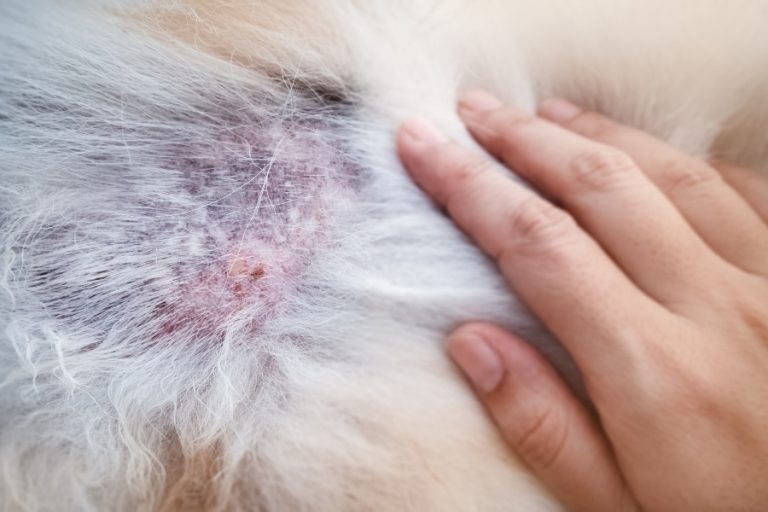
Lumps on dogs are a concern for many pet owners because they can indicate a range of health conditions. Although some lumps are benign, such as lipomas, it’s important to pay attention to any changes in your dog’s skin. In this article, we’ll explore the causes, types, and treatments of these lumps, as well as the importance of early detection.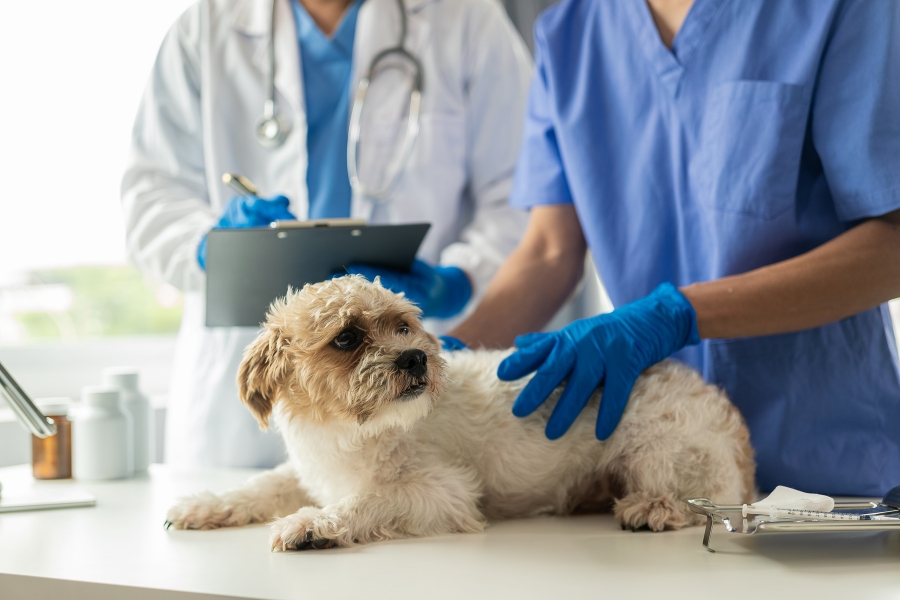
Our pets’ health should be a priority. That’s why regular checkups are essential, and you should consult a veterinarian if a new lump appears. Read on to learn more.
What Types of Lumps Can Dogs Get?
Lumps on dogs can be classified into different types, each with distinct characteristics and causes. Some of the most common include:
- Lipomas: Benign tumors made of fatty tissue that develop under the skin.
- Cysts: Fluid-filled sacs that can form anywhere on a dog’s body.
- Malignant tumors: Cancers that require immediate veterinary attention.
- Papillomas: Benign warts that can appear on the skin or mucous membranes.
- Hematomas: Collections of blood that can occur after an injury.
These lumps can vary in size and shape. The range of lump types in dogs highlights the importance of consulting a veterinarian for an accurate diagnosis.
It’s essential to watch for new lumps and changes to existing ones. Early detection is key to effectively treating many of these conditions.
What Should I Do If My Dog Has a Lump on Their Side?
If you notice a lump on your dog’s side, it’s important to act promptly. First, examine the lump. Note its size and shape, and whether it seems painful when touched. Then follow these steps:
- Consult a veterinarian: Don’t delay taking your pet to a professional for an evaluation.
- Have a physical exam: Your veterinarian will perform a complete physical exam and may recommend additional tests.
- Monitor the lump: If it changes in size or shape, be sure to tell your veterinarian.
Remember, not all lumps are cause for alarm, but it’s better to be safe than sorry. Prompt veterinary care can make a difference in your pet’s treatment.
Lumps on Older Dogs: When Should You Be Concerned?
Lumps may be more common in older dogs because of age and a predisposition to certain conditions. However, not all lumps are dangerous. Consider the following:
- How often they appear: The sudden appearance of multiple lumps may be cause for concern.
- Changes in size: If a lump grows quickly, it’s essential to consult a veterinarian.
- Signs of pain: If your dog shows signs of pain when the lump is touched, they should be examined right away.
Regular checkups are essential to protect the health of older dogs. These exams can help identify abnormalities early and allow for appropriate treatment.
How Can You Identify Lumps on Dogs?
Identifying lumps on dogs can be straightforward if you check regularly. Follow these tips:
- Visual examination: Check your dog regularly, paying attention to their skin and coat.
- Palpation: Gently feel different areas of your dog’s body to help detect lumps.
- Behavioral changes: If you notice your dog scratching more than usual or showing signs of discomfort, check their skin.
Early detection of lumps in dogs is essential for effective treatment. Don’t hesitate to consult a veterinarian if you find anything unusual.
Common Causes of Lumps on Dogs
Lumps on dogs can develop for a variety of reasons. Some of the most common causes include:
- Genetics: Some breeds are more prone to developing certain types of lumps.
- Trauma: Skin injuries can lead to bruises or cysts.
- Infections: Skin infections can appear as lumps or bumps.
- Aging: Age can contribute to the development of lipomas and other benign lumps.
Knowing the common causes can help you identify lumps and respond appropriately. Canine health is essential, and staying informed is part of that responsibility.
How Are Lumps on Dogs Diagnosed and Treated?
Diagnosing lumps on dogs generally involves several steps. First, the veterinarian will perform a thorough physical examination. Depending on the situation, they may recommend:
- Biopsy: Taking a sample from the lump to analyze its cellular composition.
- Ultrasound: To assess the lump’s internal structure and determine whether there is abnormal tissue.
- X-rays: These may be needed to assess whether the lump affects internal organs.
Treatment will depend on the diagnosis. It may include:
- Surgery: For malignant tumors or lumps that cause discomfort.
- Medication: To treat infections or reduce inflammation.
- Monitoring: Some benign lumps don’t require immediate treatment but should be monitored.
A veterinary consultation is essential for determining the best course of action. Not all lumps require intervention, but an accurate diagnosis will help protect your pet’s health.
Frequently Asked Questions About Lumps on Dogs
When Should You Worry About a Lump on Your Dog?
A lump on your dog may be a cause for concern if it:
- Grows quickly or changes shape.
- Shows signs of swelling or redness around it.
- Causes your dog to show signs of pain when touched.
If you notice any of these characteristics, it’s a good idea to take your pet to a veterinarian for an evaluation.
What Are the Lumps That Develop on Dogs?
Lumps on dogs are bumps that can be caused by various conditions, such as lipomas, cysts, malignant tumors, papillomas, or hematomas. Each type of lump has different characteristics and causes, and identifying the type is essential to determining the right treatment.
What Do Malignant Lumps on Dogs Look Like?
Malignant lumps on dogs often have characteristics such as:
- Rapid, excessive growth.
- A hard or irregular texture.
- Infiltration into surrounding tissues.
A veterinarian’s evaluation is essential to confirm whether a lump is malignant and establish a treatment plan.
How Can You Tell a Fatty Lump From a Tumor on a Dog?
To distinguish a lipoma (fatty lump) from a malignant tumor, consider the following:
- Lipomas are generally soft and movable to the touch.
- Malignant tumors tend to be firm and may cause pain.
- A veterinary examination is essential for an accurate diagnosis.
The best way to protect your dog’s health is to schedule regular checkups and consult a veterinarian whenever you have concerns.