The German Shorthaired Pointer is a dog breed known for its elegance and energy. Originally from Germany, this dog has earned a special place in the homes of active families thanks to its loyal temperament and hunting instincts. In this article, we’ll explore its characteristics, care, and needs to help keep it healthy and happy.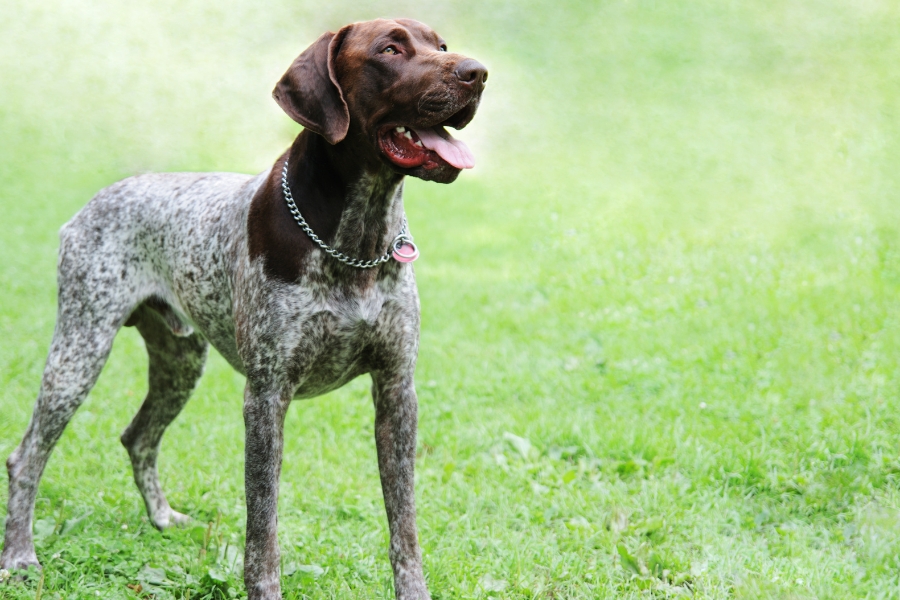
German Shorthaired Pointer Characteristics: What Are the Main Traits?
The German Shorthaired Pointer is a large, muscular dog. Males typically stand between 58 and 66 cm tall, while females reach heights of 53 to 59 cm. Their short coat can be brown, white, or black, giving them an attractive, distinctive appearance.
This breed is known for its athletic build and energetic behavior. It has a long head and medium-sized ears, which contribute to its noble appearance. These dogs also have an exceptional sense of smell, making them excellent hunting dogs.
- Height: Males, 58 to 66 cm; females, 53 to 59 cm.
- Coat: Short, and brown, white, or black.
- Temperament: Loyal, energetic, and friendly.
The life expectancy of the German Shorthaired Pointer ranges from 9 to 12 years, an important factor to consider if you decide to adopt one. These dogs need special attention and care to ensure their long-term health.
German Shorthaired Pointer Temperament: What Is Their Personality Like?
The German Shorthaired Pointer is known for being friendly and sociable. They get along well with children and other animals, making them an excellent choice for families. Their loyalty means they bond closely with their owners and enjoy human company.
Despite their affectionate temperament, this breed needs firm, consistent training. They are intelligent dogs that learn quickly, but their energy and curiosity can lead them to get into a little mischief if they don’t receive proper guidance. Positive reinforcement is key to their development.
Also, because of its hunting instincts, the German Shorthaired Pointer may display hunting behaviors if it isn’t properly socialized from a young age. It’s essential to expose it to different environments and situations to encourage adaptability.
German Shorthaired Pointer Care: What Do They Need to Stay Healthy?
Caring for a German Shorthaired Pointer involves several important considerations. This active dog needs a stimulating environment where it can burn off energy. Here are some basic needs to keep in mind:
- Exercise: At least two hours of exercise a day.
- Regular veterinary checkups to monitor their health.
- Early socialization to prevent behavioral problems.
It’s essential to maintain a daily exercise routine. Walks, games, and outdoor activities are vital to their physical and mental well-being. The German Shorthaired Pointer is also prone to health problems such as hip dysplasia, so veterinary checkups are crucial.
Dental health and skin and coat care are also important. Regular brushing will help keep the coat shiny and healthy, and reduce the amount of hair shed around the home.
German Shorthaired Pointer Nutrition: What Is the Best Diet?
Proper nutrition is essential for the health of the German Shorthaired Pointer. This dog needs a protein-rich diet to maintain its energy and muscle mass. Here are a few feeding tips:
- Choose high-quality food, preferably formulated for large-breed dogs.
- Make sure the food contains a good balance of protein and fat.
- Consult a veterinarian to determine the right type and amount of food based on your dog’s age and activity level.
Changes to their diet should be made gradually to avoid digestive problems. It is also important to make sure they always have access to fresh, clean water, especially after exercise.
German Shorthaired Pointer Health: What Common Health Problems Can They Have?
The German Shorthaired Pointer can be prone to certain health problems that owners should be aware of. Some of the most common include:
- Hip dysplasia: A genetic condition that affects the hip joint, causing pain and limited mobility.
- Epilepsy: This condition can occur in dogs of this breed and requires veterinary care.
- Skin problems: Make sure to maintain good hygiene to help prevent infections and other skin conditions.
Regular veterinary checkups can help identify and treat these problems before they become serious. Prevention is key to keeping your German Shorthaired Pointer healthy and happy.
German Shorthaired Pointer Exercise: How Much Exercise Do They Need Each Day?
Exercise is vital to the well-being of the German Shorthaired Pointer. This breed needs at least two hours of physical activity each day. This not only helps maintain physical health but is also essential for mental health.
Activities can include long walks, fetch, swimming, and anything else that lets them burn off energy. It is also a good idea to include training in their exercise routine, as it stimulates their mind and strengthens the bond between dog and owner.
Remember that a German Shorthaired Pointer that does not get enough exercise may become destructive or develop behavioral problems. Keeping them active is an essential part of their care.
Related Questions About the German Shorthaired Pointer
What Are German Shorthaired Pointers Like?
German Shorthaired Pointers are loyal, friendly, and energetic dogs. They have a strong hunting instinct and are known for their ability to adapt to different environments. These dogs are sociable and get along well with children and other animals, making them ideal for families.
Their intelligence and eagerness to please make them relatively easy to train, but they need a consistent, positive approach. They have high daily exercise needs, making them a better fit for active people who enjoy spending time outdoors with their pet.
Which Is Better: a Pointer or a German Shorthaired Pointer?
Both breeds, the Pointer and the German Shorthaired Pointer, are excellent hunting dogs, but they have some differences. Pointers are known for their speed and agility, while German Shorthaired Pointers tend to be more robust and resilient.
Choosing between these breeds may depend on your personal preferences and lifestyle. If you’re looking for a good hunting companion who is also a great family dog, the German Shorthaired Pointer may be the better choice. However, if you prefer a faster, more agile dog, the Pointer may be a better fit.
How Can You Tell If a German Shorthaired Pointer Is Purebred?
To determine whether a German Shorthaired Pointer is purebred, it’s best to check the breeder’s documentation. Responsible breeders provide pedigree certificates to verify the dog’s breed. You can also look at physical characteristics such as size, coat, and body structure, which are typical of the breed.
Another option is DNA testing, which can confirm the breed and help identify potential inherited health problems. This information is important for owners looking for a well-defined, healthy dog.
How Can I Tell If My Dog Is a German Shorthaired Pointer?
To identify whether your dog is a German Shorthaired Pointer, pay attention to its physical characteristics and behavior. German Shorthaired Pointers have an athletic build and a short coat, and they typically have medium-sized ears. They also have a friendly, energetic personality.
If your dog has these characteristics and a strong hunting instinct, it may be a German Shorthaired Pointer. However, it’s always best to consult a veterinarian or a breed specialist for an accurate assessment.